Are Dental Implants Worth It? Pros, Cons, and Long-Term Benefits

Dental implants are a popular solution for replacing missing teeth, offering numerous advantages. However, they also have limitations that patients should consider. Understanding the pros and cons of dental implants can help patients make an informed decision that supports their oral health and lifestyle goals.
Tooth loss can affect your confidence, daily comfort, and overall health. Dental implants have rapidly become the gold standard for tooth replacement due to their strength, aesthetic appearance, and ability to restore proper function. Many patients facing the decision wonder about the financial aspect, particularly when exploring procedures like full mouth dental implant cost Dallas TX, and whether the investment is worthwhile in the long run.
While dental implants involve a higher initial cost compared to dentures or bridges, they often provide greater durability, a natural look, and an improved quality of life. This article will explore the benefits and drawbacks of dental implants to help you decide if this solution aligns with your oral health goals and budget.
What Are Dental Implants?
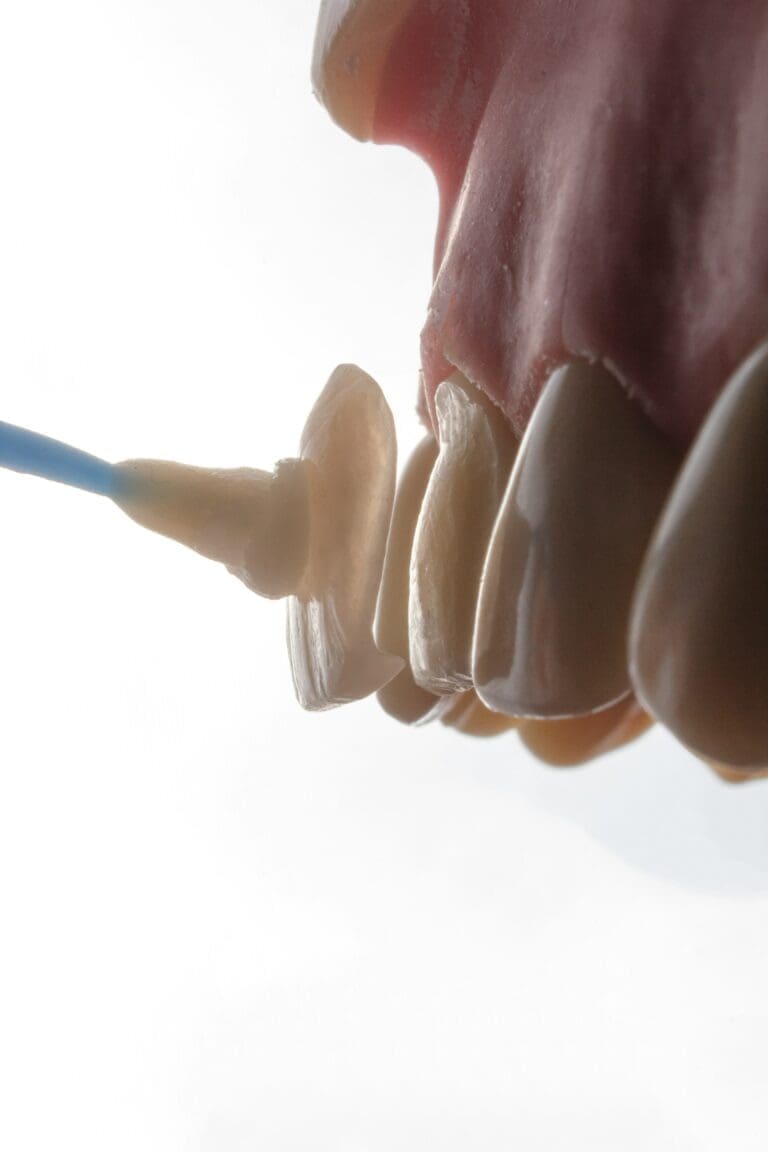
Dental implants are titanium posts placed into the jawbone to create artificial tooth roots. Once fused, a crown, bridge, or denture can be attached, mimicking natural teeth. This process preserves facial structure, prevents bone loss, and improves oral hygiene. Implants can support single, multiple, or entire teeth, making them suitable for tooth loss cases. They provide a durable, long-term solution that blends seamlessly with the rest of the smile.
Pros of Dental Implants
Custom-made crowns provide a natural appearance, durability, and improved oral health. Implants can last decades or even a lifetime with consistent care, leaving healthy teeth untouched. They eliminate discomfort, slippage, and speech difficulties caused by removable dentures and allow easy eating, functioning like natural teeth. Additionally, dental implants help preserve jawbone density by stimulating bone growth, preventing the sunken facial appearance often associated with tooth loss. This not only supports facial structure but also contributes to overall oral health and confidence.
Cons of Dental Implants
Implants involve a surgical procedure and recovery, posing risks like infection and discomfort. The initial cost is higher than that of other options, but long-term maintenance costs may be lower. The process may take several months, and rare complications like implant failure, nerve damage, and sinus problems may occur. Regular follow-up care is crucial to minimize risks.
Long-Term Benefits
Dental implants provide stability and long-lasting oral structures, with a five-year implant survival rate of up to 98%, making them a reliable dental procedure. They stimulate the underlying jawbone like natural tooth roots, preventing bone deterioration and maintaining facial contours. This reduces the sunken appearance of denture wearers and keeps the jaw healthy long-term, making implants a reliable option for maintaining oral health.
Cost Considerations
Although dental implants require a significant initial investment, their longevity often means fewer replacements and less maintenance than other tooth replacement options. For many patients, this makes implants a more affordable choice over a lifetime. In addition to the surgical and prosthetic costs, it’s essential to consider potential adjunctive procedures, such as bone grafts or extractions, which could affect the overall price. Insurance coverage for implants varies, so discuss potential costs and payment plans with your provider to ensure clarity before moving forward.
Is It Right for You?
Dental implants are generally suitable for adults with healthy gums and adequate bone to support the implant. However, specific health issues—such as uncontrolled diabetes, recent radiation therapy in the jaw area, or heavy smoking—can affect eligibility and healing outcomes. Before proceeding, a dental or surgical professional will evaluate your overall health, dental needs, and lifestyle habits to ensure implants are a safe and effective option for your circumstances.
This comprehensive evaluation often includes a detailed examination, 3D imaging (like a CT scan), and a review of your complete medical history. These steps are crucial for determining if you have enough bone density for successful implant placement and ruling out any systemic conditions that could compromise healing. According to this professional dentist in Dallas TX, a thorough consultation is the best way to get a clear, personalized assessment and understand the full scope of the commitment involved before moving forward with this long-term restorative solution.
Conclusion
Dental implants represent a dependable, long-lasting, and attractive solution for tooth loss. Despite requiring a higher upfront cost and a surgical process, their function, appearance, and oral health preservation advantages make them a worthwhile consideration. Investing in dental implants can improve quality of life and self-confidence for many years. A detailed consultation with your dental care provider—and a transparent discussion of options will help ensure you make the right choice for your health and your smile.
Similar Posts:
- Are Dental Implants Worth It? Pros, Cons, and What to Expect
- 4 Ways Implant Dentistry Restores Confidence And Function
- Essential Considerations Before Opting for Full Mouth Dental Implants
- The Science Behind the Perfect Smile: What You Need to Know
- The Future of Full Mouth Dental Implants for Total Smile Restoration