Essential Considerations Before Opting for Full Mouth Dental Implants
Advancements in implant dentistry have made it possible for individuals with multiple missing or failing teeth to enjoy a confident, stable smile again. Investing in full mouth dental implants offers the potential not only to restore aesthetics but also to enhance overall oral health and daily function. As you explore this major dental procedure, understanding the full scope, from preparation to long-term outcomes, is necessary for making an informed choice that suits your needs.
The journey toward full mouth dental implants involves several considerations, including candidacy, recovery, and ongoing care. Recognizing both the benefits and potential challenges helps individuals set realistic expectations and plan for the commitment required. Whether you are dissatisfied with dentures or struggling with advanced dental issues, learning the details about full mouth dental implants can clarify if this solution is appropriate for you. Consulting with a dental specialist will provide answers specific to your circumstances and address any concerns before proceeding with the treatment.
It is equally important to review independent resources that guide individuals through dental implant procedures. Helpful information on oral care, procedure advancements, and patient experiences is available from credible sources to further educate prospective patients.
Understanding Full Mouth Dental Implants
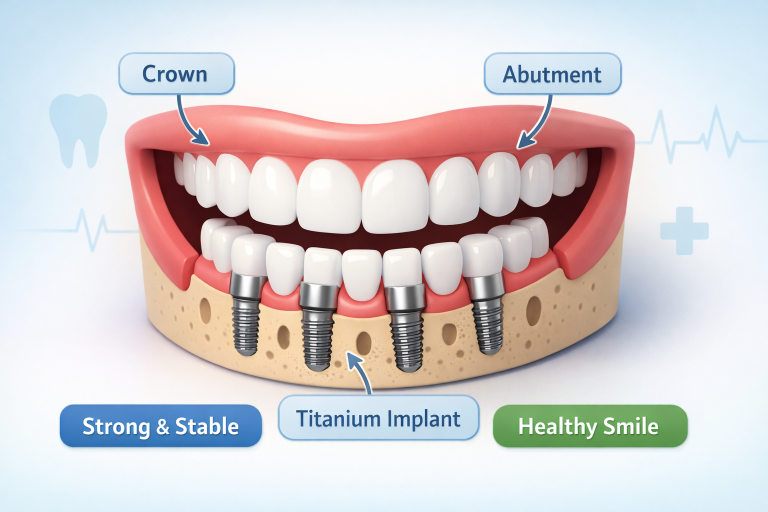
Full mouth dental implants offer an advanced solution to the challenge of entire tooth loss in either the upper or lower jaw. Instead of relying on removable dentures, this treatment approach uses strategically placed implants to support a permanent prosthetic bridge. This not only provides a safer and more comfortable fit but also improves functionality when biting and speaking. Many individuals report significant improvements in their quality of life thanks to the overall stability and realistic feel of implant-supported arches. For patients who want to avoid the drawbacks of traditional dentures, full mouth dental implants can be life-changing.
Candidacy Assessment
Determining eligibility for full mouth dental implants requires a comprehensive assessment. Dental professionals evaluate several criteria to reduce the risk of failure and ensure long-term success. Key factors that are considered include:
- Bone Density: The jawbone must provide enough support to anchor the implants securely. If bone volume is inadequate due to long-term tooth loss or gum disease, bone grafting procedures may be necessary before implant placement.
- General Health: Systemic health conditions such as uncontrolled diabetes, clotting disorders, or habits like smoking can impair healing and undermine implant stability. It is crucial to discuss your medical history thoroughly with your dentist.
Other considerations may include gum health, bite alignment, and age. A detailed diagnostic process, including 3D imaging and dental exams, clarifies suitability and helps in devising a tailored treatment plan.
Procedure Overview
The installation of full mouth dental implants is a multi-phase process. Here is a breakdown of the typical sequence:
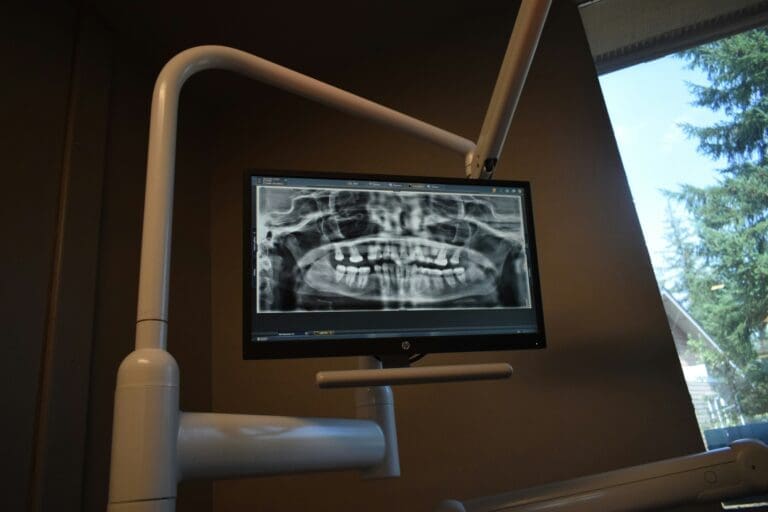
- Initial Consultation: The dentist conducts a thorough evaluation, which may include panoramic X-rays or CT scans to map out the treatment plan.
- Preparatory Steps: Extraction of unsalvageable teeth and, if needed, bone grafting are performed to prepare the jawbone for implants.
- Implant Placement: Implants made of biocompatible titanium are surgically inserted into the jawbone during an outpatient procedure.
- Healing and Integration: A healing phase, called osseointegration, follows. The implants fuse with the surrounding bone to create a strong foundation.
- Final Restoration: Custom-crafted, natural-looking prosthetic teeth are attached to the well-integrated implants, restoring full dental function.
This series of steps can span several months from start to finish, depending on each patient’s unique healing and case requirements.
Recovery and Healing
Recovery after dental implant surgery involves both immediate and long-term care. In the initial days following surgery, some swelling, bruising, and mild discomfort are normal. Dentists usually provide guidance on pain management and dietary modifications to reduce complications. Patient adherence to post-operative instructions, including maintaining proper oral hygiene and avoiding strenuous physical activity, can speed healing.
Osseointegration and Temporary Restoration
Osseointegration, which can last several months, is critical for the stability of full mouth implants. During this period, temporary prosthetic teeth often replace function and appearance until the bone has fully bonded with the implants. Regular checkups and ongoing collaboration with your dental team support a successful transition to your permanent restoration.
Potential Risks and Complications
While generally safe and effective, there are known risks associated with full mouth dental implants:
- Infection: Maintaining excellent oral hygiene before and after surgery greatly reduces the chance of post-surgical infection.
- Nerve Injury: Precise imaging and planning help prevent accidental nerve trauma, but rare cases of tingling or numbness can occur.
- Implant Failure: Poor bone quality, excessive stress, or inadequate post-operative care may result in unsuccessful implants that require removal and replacement.
A thorough discussion with your dental professional and strict adherence to recommendations help minimize these risks.
Cost Considerations
The total investment for full mouth dental implants varies widely, often influenced by the extent of required preparatory procedures, the specific implant system, and location. Many dental offices offer detailed cost breakdowns, payment plans, or guidance about insurance and financing options. Because this is a significant investment, it is important to review fees transparently with your provider and understand what is included, such as diagnostic imaging, custom prosthetics, and follow-up care.
Long-Term Maintenance
The durability and function of full mouth dental implants depend on your commitment to daily oral care and regular dental visits. Recommendations include:
- Meticulous brushing and flossing, including special brushes to clean around implants.
- Twice-yearly professional cleanings and checkups to monitor gum and bone health.
- Refraining from smoking or using teeth to open packages and avoiding hard foods that may damage the prosthetics.
With proper maintenance, dental implants can last for decades or even a lifetime, providing lasting support and confidence.
Conclusion
Opting for full mouth dental implants is a significant but rewarding step for individuals dealing with severe tooth loss or dissatisfaction with dentures. Weighing the benefits, assessing candidacy, considering the costs and risks, and committing to diligent maintenance are all essential components of a successful outcome. Discussing individual treatment details with a specialized dental provider ensures you are equipped to achieve the best results for your oral health and overall well-being.