Stop Problems Before They Start: How Regular Dental Care Saves You Time
Maintaining good oral health is a cornerstone of overall wellness, impacting not only the way you feel but also your financial health. Engaging in preventive dental care, such as regular cleanings and check-ups, is key to avoiding more serious problems down the line. Proactively managing your oral hygiene can help you avoid invasive and costly treatments and even lead to significant time and cost savings. For patients considering more advanced solutions like dental implants, having a solid foundation of preventive care sets the groundwork for better long-term outcomes. Early intervention means you spend less time in the dentist’s chair and more time focusing on what matters most in your daily life. Many dental issues that require extensive treatment are entirely preventable with a commitment to routine care. Consistently practicing preventive dental measures dramatically decreases your chances of developing severe oral health issues, helping you preserve both your smile and your financial resources.
The Financial Impact of Preventive Dental Care
Preventive dental care is one of the wisest financial decisions individuals can make regarding their health. According to the Centers for Disease Control and Prevention, every dollar spent on preventive dental services can save patients up to $50 in more urgent and complex procedures later on. This means that scheduling routine exams and professional cleanings really does pay off, preventing the need for high-cost solutions like crowns, root canals, or even extractions. The costs of advanced dental work can quickly add up, but consistent preventive care is a proven way to avoid these major expenses.
Time Savings Through Regular Check-Ups
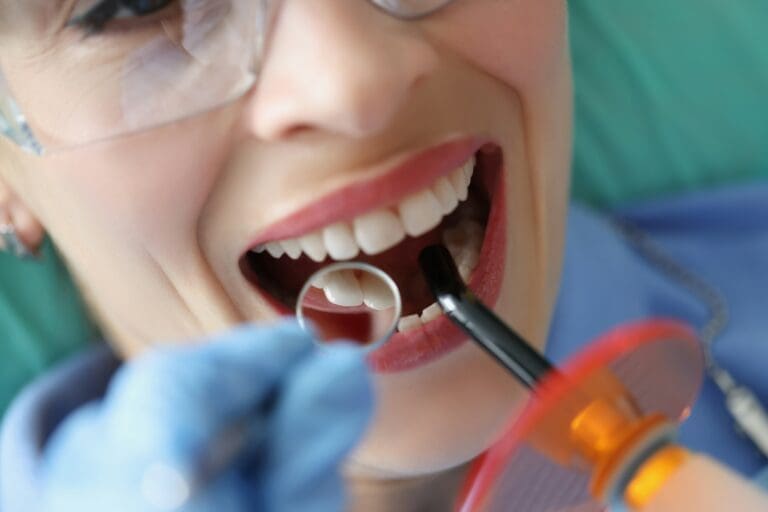
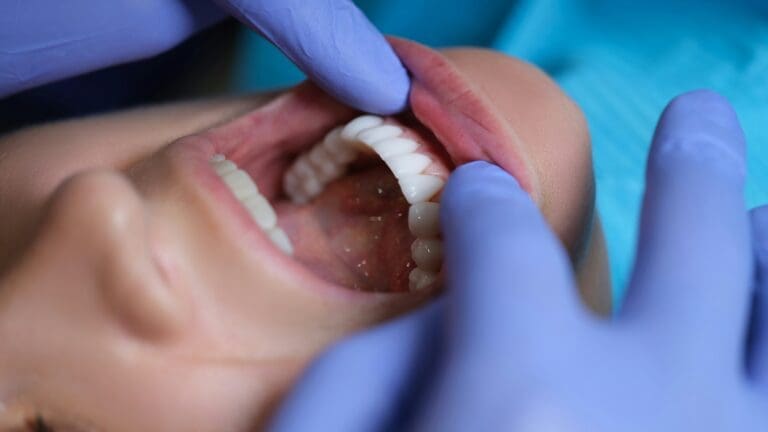
Time is a valuable resource, and preventive dental care helps you protect it. By attending regular check-ups, dental professionals can catch potential issues such as cavities, early-stage gum disease, and even oral cancer before they progress. A minor cavity that is filled during a quick office visit is far easier and less time-consuming than undergoing a root canal or extraction if the decay goes unchecked. These early interventions require fewer appointments and cause less disruption to your routine. Over time, committing to biannual visits results in less total time spent in the dental office and fewer lengthy procedures.
Preventive Treatments: Fluoride and Sealants
Two of the most effective preventive dental treatments are fluoride applications and sealants. Fluoride helps strengthen enamel and has been shown to reduce the occurrence of cavities by 20 to 40 percent. Sealants, typically applied to the chewing surfaces of molars, can prevent up to 80 percent of cavities for at least two years after application, according to the American Dental Association. These treatments are relatively inexpensive and widely accessible, yet they deliver significant savings by addressing problems before they escalate.
Dental Insurance and Savings Plans
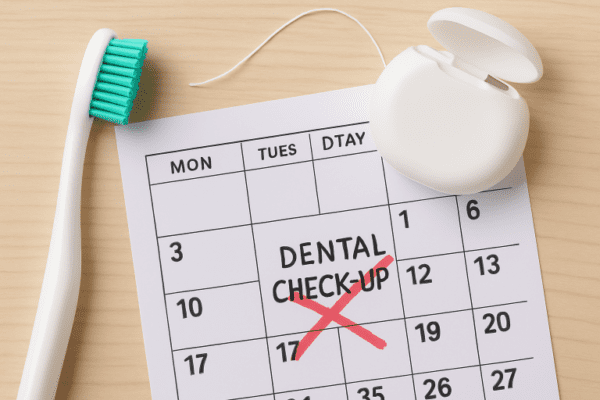
Access to preventive care can sometimes hinge on affordability, which is why dental insurance and savings plans are essential tools. Most dental insurance providers cover preventive care, such as check-ups and cleanings, at 100 percent. This makes routine care far more accessible and incentivizes individuals to maintain regular appointments. For those lacking insurance, dental savings plans can reduce dentist bills by 10 to 60 percent, depending on the service. These plans also often include discounts for preventive and even restorative treatments, helping patients budget for necessary care without breaking the bank.
Impact on Work and School Attendance
Dental emergencies and untreated oral health problems can lead to an extensive number of lost work and school days. According to the American Dental Association, adults in the United States lose over 164 million work hours each year due to dental issues. In comparison, children collectively miss more than 51 million school hours. These absences can result in lost wages, decreased productivity, and disrupted education. By prioritizing preventive care, individuals can avoid these interruptions and maintain consistent attendance at work and school.
Long-Term Health Benefits
The benefits of preventive dental care reach well beyond the mouth. Poor oral health has been linked to increased risks of chronic illnesses, including cardiovascular disease and diabetes. Routine dental visits not only address dental problems early but also serve as important checkpoints for signs of broader health conditions. Dentists can spot symptoms of certain systemic diseases during an exam, leading to faster diagnoses and better overall health management. Prioritizing preventive care protects both your mouth and your body in the long term.
Conclusion
Investing energy and resources into preventive dental care is a decision that yields lifelong dividends. Regular visits, diligent hygiene, and proactive treatments help safeguard your health, your schedule, and your wallet. By taking a preventive approach, you can enjoy a brighter smile, fewer medical complications, and greater financial control, ensuring that your oral health supports every aspect of your life.