Are Dental Implants Worth It? Pros, Cons, and What to Expect

For anyone considering a permanent solution to tooth loss, dental implants offer an advanced way to restore both function and natural appearance. Modern implant technology offers the closest alternative to natural teeth, significantly enhancing the quality of life for numerous patients. Whether you have one missing tooth or need a full-mouth reconstruction, Dental Implants Orlando, FL, are designed to deliver durability, comfort, and unmatched aesthetics. Understanding their unique advantages and drawbacks is crucial for making an informed decision about your oral health.
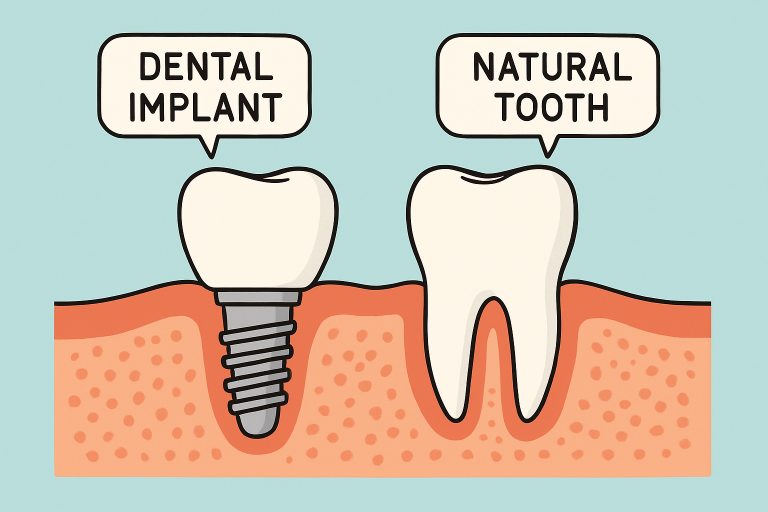
Unlike traditional replacements, dental implants are surgically anchored in the jawbone, providing long-term stability and preventing many issues linked with bone loss. This investment in your smile, however, comes with notable considerations regarding cost, candidacy, and recovery. In this article, we’ll explore the pros and cons of dental implants and give you a clear idea of what to expect from the process.
Deciding whether dental implants are suitable for you means weighing the procedure’s transformative benefits against individual factors such as oral hygiene, medical history, and lifestyle. For anyone seeking a permanent, low-maintenance solution, implants frequently provide tremendous long-term value and satisfaction.
Before making any decisions, it is essential to rely on thorough information and trusted clinical guidance throughout your journey toward a lasting, healthy smile.
Pros of Dental Implants
Natural Look and Feel
Dental implants are renowned for their ability to closely mimic the appearance and function of natural teeth. Each implant is precisely crafted to match the neighboring teeth in shape and color, so your restored smile appears completely authentic. Unlike removable options, implants feel solid and comfortable while eating, speaking, or smiling, helping you regain confidence without worrying about slipping dentures.
Longevity and Durability
While bridges and dentures often need replacement within a decade, dental implants are built to last. Made from titanium, a biocompatible material resistant to wear and corrosion, implants can remain functional for decades, sometimes a lifetime, with adequate care, according to Healthline. This exceptional lifespan offsets the higher initial investment compared to other solutions, making implants a cost-effective option in the long run.
Restored Chewing and Comfort
Dental implants are anchored directly into the jawbone, restoring your full chewing ability. Unlike dentures, which can be uncomfortable or shift out of place, implants allow you to enjoy your favorite foods with confidence. This boost in comfort and functionality can have a profound impact on your daily life and nutrition.
Prevention of Bone Loss
The loss of natural teeth often leads to jawbone deterioration, since the bone no longer receives stimulation through chewing. Dental implants act as artificial roots, stimulating the jawbone and preventing further bone loss. This benefit also helps to support your facial structure, preventing premature aging and facial collapse often linked with multiple lost teeth.
Simple Maintenance
Caring for dental implants doesn’t require anything special—just daily brushing, flossing, and routine dental checkups. There’s no need for soaking solutions or adhesives, and with proper hygiene, your implants can remain in top condition for many years.
Cons of Dental Implants
Cost
One of the biggest barriers to dental implants is cost. A single implant can range from $3,000 to $6,000, making full-mouth restorations a considerable investment. Despite the longevity that often justifies the price, the upfront expense can be significant for many individuals. Many dental practices, however, do offer flexible payment plans to help manage the investment over time.
Suitability for the Procedure
Not everyone is a candidate for dental implants. Healthy gums and sufficient jawbone density are essential for a successful outcome. Patients with conditions such as gum disease, osteoporosis, or poorly controlled diabetes may require additional treatments or might not be eligible for implants. Occasionally, bone grafting or sinus lifts are necessary to prepare the jaw, which adds to both the cost and treatment time.
Lengthy Process
Dental implant procedures are not completed overnight. After the implant post is placed, 3–6 months of healing are necessary for the bone to fully integrate with the titanium. Only after this period can the final prosthetic tooth be securely attached. Patients seeking a quick solution might find this timeline to be a drawback.
Surgical Risks
As with any surgical procedure, dental implants come with certain risks. Complications such as infection, nerve injury, or sinus problems (for implants in the upper jaw) are possible, though rare. Choosing an experienced dentist can significantly minimize these risks.
Commitment to Oral Hygiene
Successful dental implants require rigorous oral hygiene to prevent peri-implantitis, a condition similar to gum disease that can threaten the stability of the implant. Smokers and those who do not maintain consistent oral care are at increased risk for implant failure and may need to reconsider their candidacy.
What to Expect During the Procedure
The process of getting dental implants includes several key steps:
- Consultation: A thorough examination, including X-rays and scans, helps your dentist assess your bone health and determine your suitability for implants.
- Preparation: Sometimes, preparatory treatments such as bone grafting or tooth extraction are required before the implant can be placed.
- Implant Placement: The titanium post is surgically inserted into the jawbone under local anesthesia.
- Healing/Osseointegration: Over several months, the jawbone grows around the implant, anchoring it securely in place.
- Abutment & Crown: Once healed, an abutment is placed on the implant and topped with a custom crown, completing your restoration.
Throughout each stage, your dental team will guide you on best practices for healing, hygiene, and caring for your new implant.
Is a Dental Implant Right for You?
Dental implants offer numerous advantages for those seeking to restore their smile, including improved chewing, increased confidence, and lasting oral health benefits. While the procedure may involve a longer timeline and initial investment, the results can be well worth it. According to the Mayo Clinic, dental implant surgery involves placing a biocompatible post into the jawbone to act as an artificial tooth root, providing a stable foundation for replacement teeth. Consult with your dentist to assess your oral health, discuss your goals, and create a personalized treatment plan.
Conclusion
Dental implants offer a reliable and long-lasting solution for restoring both function and aesthetics after tooth loss. They offer benefits that traditional dentures and bridges cannot match, including stability, prevention of bone loss, and a natural look and feel. However, the procedure requires careful planning, a financial investment, and commitment to oral hygiene. By consulting with a qualified dentist and considering individual health and lifestyle factors, patients can make an informed decision and enjoy a healthy, confident smile for years to come.