How General Dentists Help Protect Against Enamel Erosion

Your teeth face constant attack from acid, sugar, and grinding. Over time, this steady pressure wears away the hard enamel that protects the inner tooth. Once enamel is gone, it does not grow back. You may feel sharp pain with cold drinks. You may see yellowing or rough edges. A general dentist steps in before that damage takes control. Regular visits allow early spotting of weak spots, small chips, and thinning enamel. Then you get clear steps to slow or stop the loss. You learn how to brush, what to drink, and when to treat grinding. Some people also search for Turlock cosmetic dentistry to fix worn teeth they already have. A general dentist can guide you there when needed. You gain a partner who tracks changes over time, explains what is happening, and offers simple treatment choices that protect your enamel.
What Enamel Erosion Looks And Feels Like
Enamel erosion creeps up slowly. You may not notice it until daily life feels different.
- Cold or hot drinks cause a sharp sting
- Sweets cause a quick shock of pain
- Teeth look more yellow as inner dentin shows
- Edges feel rough or thin
- Front teeth look shorter or uneven
These changes can affect how you eat, speak, and smile. They can also raise your risk for cavities and cracks. A general dentist looks for these early signals before they grow into deep damage.
Why Enamel Erodes
Enamel erosion has three main causes. Your dentist checks for each one.
- Acidic food and drinks. Soda, sports drinks, citrus juice, and flavored water soften enamel. So does frequent snacking.
- Stomach acid. Heartburn, reflux, or vomiting bring strong acid into your mouth. Nighttime reflux can be silent but severe.
- Grinding and clenching. Tight jaw muscles wear teeth down. Night grinding can flatten or chip enamel.
Your dentist links these causes with what is seen in your mouth. That match helps build a clear plan that fits your life.
How General Dentists Spot Enamel Erosion Early
Routine visits are not just cleanings. They are checks for warning signs.
- Visual exam for thin edges and dull or glassy surfaces
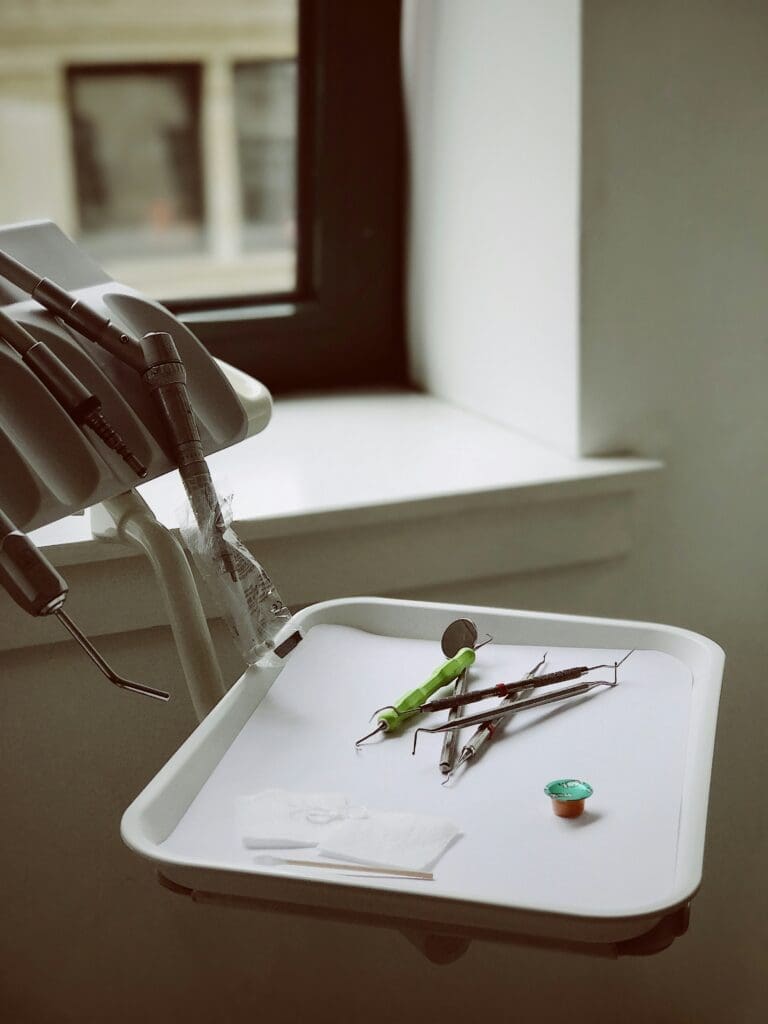
- Probing for rough spots that catch the explorer tip
- Light and mirror checks for cupped-out areas on biting surfaces
- X rays to see loss between teeth
- Questions about diet, reflux, and grinding
Research from the National Institute of Dental and Craniofacial Research shows that enamel cannot regrow once worn away. So early spotting is your strongest defense.
Key Ways Your Dentist Protects Enamel
Your dentist uses a clear set of tools. Each one protects in a different way.
- Fluoride treatments. Fluoride hardens the outer layer and makes it more acid resistant.
- Prescription toothpaste. Higher fluoride toothpaste can slow or stop early wear.
- Sealants. Thin coatings on back teeth shield deep grooves from acid and plaque.
- Custom night guards. A guard spreads grinding force and protects edges from chipping.
- Simple repairs. Bonding and fillings cover worn spots and reduce sensitivity.
Each step is small on its own. Together they form a strong shield for your teeth.
Daily Habits Your Dentist May Change
Treatment in the office only works if home habits back it up. Your dentist will likely adjust three parts of your routine.
- How you brush. Use a soft brush. Use gentle circles. Avoid hard scrubbing that scrapes enamel.
- What you eat and drink. Limit soda, sports drinks, citrus sips, and constant snacking. Drink water with meals.
- When you clean. Wait at least 30 minutes after acidic drinks before brushing. This gives enamel time to re-harden.
Guidance from the Centers for Disease Control and Prevention supports these basic steps. They lower your risk for both erosion and cavities.
Enamel Protection Options At A Glance
| Protection option | Main purpose | Helps most with |
|---|---|---|
| Fluoride varnish in office | Strengthens outer enamel | Sensitivity and early wear spots |
| Prescription fluoride toothpaste | Daily hardening support | High risk from acid or dry mouth |
| Dental sealants | Covers deep grooves | Kids and teens with new molars |
| Custom night guard | Spreads grinding force | Flattened or cracked biting edges |
| Composite bonding | Rebuilds worn surfaces | Short or chipped front teeth |
When Enamel Erosion Needs Repair
Sometimes protection is not enough. Deep wear may already exist. Your dentist may suggest:
- Bonding to rebuild chipped edges
- Onlays or crowns for teeth with large worn spots
- Sensitivity treatments for exposed dentin
These repairs help you chew without pain and speak without worry. They also protect the inner tooth from cracks and infection.
How To Work With Your Dentist As A Team
You protect your enamel best when you stay honest and active in your care.
- Share what you drink each day, including soda, sports drinks, and flavored water
- Tell your dentist about heartburn, reflux, or stomach issues
- Mention jaw pain, morning headaches, or chipped teeth
- Ask which toothpaste and brush are right for you
- Keep regular visits even when nothing hurts
Enamel erosion does not stop on its own. With a general dentist by your side, you can slow it, control it, and protect your teeth for the long term.