Sinus Lifts For Upper Back Teeth: Why Height Matters For Implants
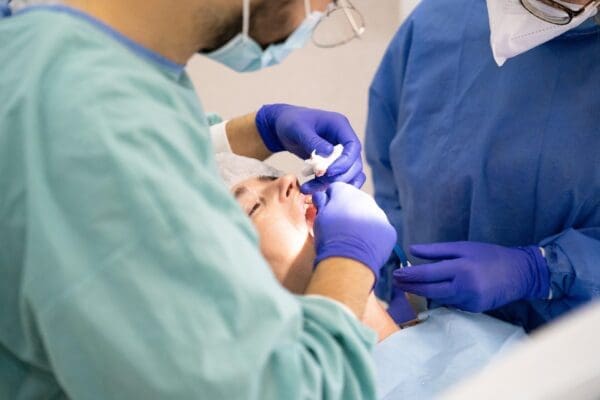
You want strong back teeth that let you eat, speak, and smile without fear. When you lose upper back teeth, the bone in that spot shrinks. The sinus above it often drops lower. That lost height blocks safe, stable implants. A sinus lift raises the sinus floor and adds bone so an implant can hold steady. This step is not cosmetic. It protects the sinus, keeps the implant from shifting, and helps your bite stay even. Without enough height, an implant can fail early. It can also cause pain or pressure that you never needed to feel. This blog explains when a sinus lift helps, what happens during the surgery, and how it affects healing. It also shows how dental implants Queens specialists plan your care so you know what to expect before you start.
Why the upper back jaw loses height
Upper back teeth sit close to your maxillary sinus. That is an air space inside your cheek bones. When you lose teeth, your body starts to thin the bone that once held the roots. You no longer bite in that spot. So your body shifts calcium and other support to places that still work hard.
At the same time, the sinus lining can sag downward. The floor of the sinus then sits where your tooth roots once were. You end up with thin bone and a low sinus. That mix cannot support an implant post with safe length.
Three main things speed up this loss.
- Tooth loss for more than a few years
- Untreated gum disease that eats bone
- Chronic sinus pressure or infection
Why height matters for implants
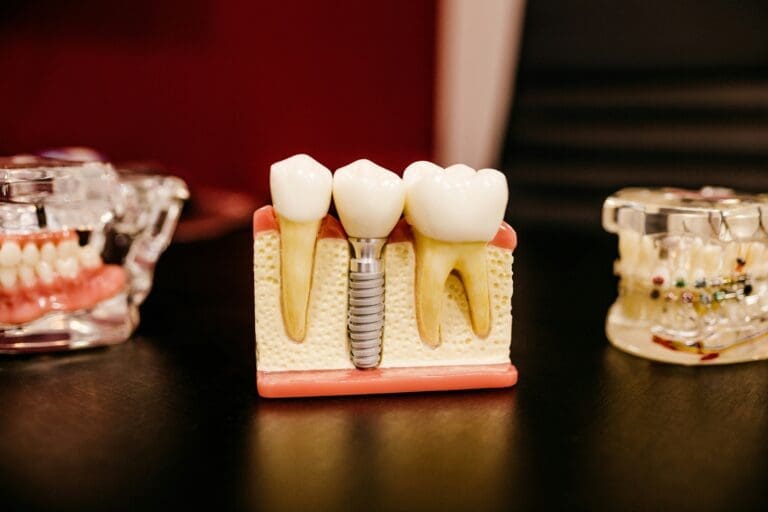
An implant needs enough bone height, width, and strength. Height matters most in the upper back jaw because of the sinus. If the bone is too short, the metal post can break into the sinus. That can cause sinus pain, long-term infection, or implant loss.
You need enough height to support three goals.
- Grip. The implant threads must hold firmly in bone.
- Protection. The sinus lining must stay intact.
- Balance. Your bite forces must spread across the implant and nearby teeth.
Research from the National Institutes of Health explains that bone quality and quantity affect implant survival and chewing comfort.
What a sinus lift does
A sinus lift is also called sinus augmentation. The surgeon adds bone to the upper back jaw. Then the surgeon gently lifts the sinus lining to create more space for bone under it.
The goal is simple. Create enough safe bone height for a strong implant. The steps follow a clear pattern.
- Open the gum near the missing tooth
- Expose the bone and reach the sinus wall
- Lift the sinus lining with care
- Place bone graft material into the new space
- Close the gum so the bone can grow
Sometimes the surgeon places the implant at the same time. Other times, you wait until the new bone hardens.
Types of sinus lifts
The method depends on how much height you need.
| Type of sinus lift | When used | Bone height gained | Implant timing |
|---|---|---|---|
| Crestal (internal) approach | Some bone remains under the sinus | Small height increase | Often same visit as implant |
| Lateral window approach | Very thin bone under the sinus | Moderate to large height increase | Often delayed until bone heals |
| Staged sinus lift | Severe bone loss or complex health history | Stepwise height gain | Implant placed after extra healing time |
Who may need a sinus lift
Your dentist or oral surgeon may suggest a sinus lift if you have any of these.
- Missing upper back teeth for more than one year
- Thin bone on your dental scan
- History of gum disease with bone loss
- Sinus floor close to the tooth roots
You may not be a good match if your sinus has untreated disease, large cysts, or tumors. You may also need a different plan if you smoke or use tobacco, because that slows bone growth.
The American Academy of Otolaryngology gives clear information about sinus health and surgery at this link. It can help you understand sinus structure before you talk with your dentist: https://www.enthealth.org/conditions/sinusitis/.
What to expect during and after surgery
You receive numbing medicine. Sometimes you also receive light sedation. You stay awake but feel calm. You should not feel sharp pain. You may feel pressure or gentle tapping.
After surgery, you can expect three main things.
- Swelling near the cheek and gum
- Mild bleeding from the nose or mouth on the first day
- Pressure in the sinus when you bend or sneeze
Your surgeon will give you clear steps.
- Do not blow your nose for several days
- Sneeze with your mouth open to lower sinus pressure
- Sleep with your head raised
- Use cold packs on the cheek in short cycles
Healing often takes several months. Bone cells grow into the graft and harden it. That new bone then becomes the support for your implant.
Risks and how they are managed
Every surgery carries risk. A sinus lift has a few main ones.
- Tear in the sinus lining
- Infection at the graft site
- Graft not joining with your own bone
If the sinus lining tears, the surgeon may repair it and continue. Or the surgeon may stop and wait for healing before trying again. Antibiotics and careful cleaning lower the chance of infection. Good health habits help the graft join with your bone.
How sinus lifts protect long-term health
A sinus lift does more than clear space. It helps protect three parts of your health.
- Mouth. You gain a stable tooth that lets you chew on both sides.
- Sinus. You lower the chance of an implant piercing the sinus lining.
- Jaw. You slow down bone loss and keep your bite more even.
Routine care is more effective after treatment. Regular checkups, cleanings, and home care help your new bone and implant last.
Talking with your dentist
Bring your questions to your visit. You can ask your dentist to explain three things in plain terms.
- How much bone height you have today
- Which type of sinus lift you need and why
- How long before you can receive the final crown
Your comfort and safety matter. With clear planning and careful work, a sinus lift can give your implant the height it needs so you can use your back teeth again without fear.