The Glow-Up: Treatments That Erase Stubborn Acne

You wash your face, avoid trigger foods, switch products, and still wake up to breakouts that seem to live rent free on your skin. Stubborn acne is not just about clogged pores. It is usually a mix of hormones, oil production, genetics, stress, environment, and even how your skin heals after each breakout.
In aesthetic clinics, acne is treated as a medical and cosmetic concern at the same time. It is not only about stopping new pimples from forming. It also involves calming inflammation, preventing infection, managing oil, and minimising the marks and scars that can stay for years.
Stubborn acne often shows up as:
- Deep, painful cysts that feel sore even when you are not touching them
- Red, inflamed clusters that never fully heal
- Dark or reddish marks that remain long after a breakout has flattened
- Uneven texture from old acne scars
If you have tried over the counter products and basic facials without big improvements, it may be time to look at what an aesthetic clinic can do differently.
Targeted Treatments For Singapore Acne Removal Results
When people talk about Singapore acne removal, they usually mean a mix of professional treatments designed to do two things at once. First, bring breakouts under control. Second, clear the marks and scars that acne leaves behind, especially in a warm, humid climate where skin tends to get oilier.
In an aesthetic clinic setting, your treatment plan is customised based on your skin type, acne severity, and lifestyle. Some of the most common options include:
1. Medical grade chemical peels
These peels use controlled doses of acids such as salicylic, glycolic, or lactic acid. They help unclog pores, reduce oil, and smooth rough or bumpy texture. Peels can also lighten post inflammatory marks so your skin tone looks more even over time.
2. Laser and light based therapies
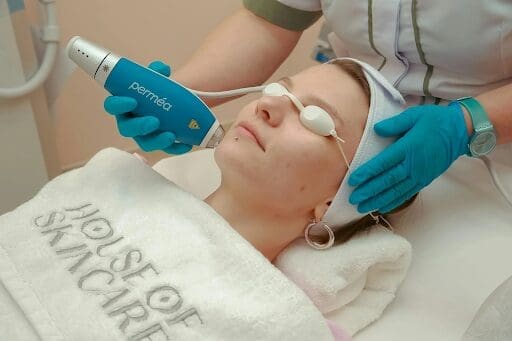
Certain lasers and light devices target acne causing bacteria, calm redness, and stimulate collagen. This is especially helpful if you have both active breakouts and early scarring. Some lasers also help lighten pigmentation from old acne marks.
3. Extraction facials done by professionals
Unlike home squeezing, professional extractions are done under sterile conditions with proper tools. They focus on clearing blackheads, whiteheads, and congested pores while minimising trauma to the surrounding skin.
4. Topical and oral medications
An aesthetic doctor might prescribe creams, gels, or oral medications to control oil, bacteria, and inflammation from within. These can support clinic treatments and extend your clearer skin results.
By combining these approaches, clinics can attack acne from multiple angles. This is what makes professional care very different from trying random products and hoping something works.
Clearing Acne Without Destroying Your Skin Barrier
One of the biggest mistakes people make when fighting stubborn acne is over drying their skin. Harsh scrubs, strong toners, and constant washing can strip the skin barrier, making it more sensitive and more prone to breakouts.
Aesthetic clinics take a different path. The goal is to clear acne while still respecting your skin barrier. That usually means:
- Choosing cleansers that remove oil and pollutants without leaving your skin feeling tight
- Using treatment strengths that are effective yet carefully adjusted to your tolerance
- Adding soothing ingredients like ceramides, niacinamide, and hyaluronic acid to balance active treatments
- Spacing out procedures so your skin has time to heal and rebuild
Healthy skin heals better, scars less, and handles treatments more comfortably. So barrier care is not optional. It is part of the strategy for long term clear skin.
What To Expect During An Aesthetic Clinic Visit
If it is your first time visiting an aesthetic clinic for acne, you might feel a bit unsure of what will happen. A typical journey goes something like this:
- Consultation and skin analysis
The doctor or practitioner will ask about your skin history, lifestyle, current skincare routine, and any medications. They will look at your acne type, pattern, and whether scarring or pigmentation is present. - Treatment planning
You will be given a recommended plan that may include a series of sessions. For example, monthly chemical peels, several laser sessions, and a prescribed home routine. You can ask about downtime, expected results, and how long the program might take. - Your first procedure
Depending on what is chosen, this might be a peel, a light based treatment, a specialised facial with extractions, or a combination of procedures. You might feel mild tingling, warmth, or pressure, but clinics work to keep you comfortable. - Aftercare and follow up
You will receive instructions about sun protection, products to avoid, and how to care for your skin between visits. Follow up sessions help track your progress and adjust the plan when needed.
Knowing this in advance can remove a lot of anxiety. It also reminds you that acne clearance is a process, not a one time fix.
How Long Before You See Clearer Skin
Everyone wants fast results, especially when acne has been affecting confidence for a long time. While some people notice improvements in a few weeks, most clinic based acne programs are designed with realistic timelines in mind.
Factors that affect your results include:
- How severe and deep your acne is
- Whether there is existing scarring and pigmentation
- How consistent you are with follow up sessions
- How closely you follow the home care routine
You may see fewer breakouts and smaller, less inflamed pimples within the first few sessions. Pigmentation and scars usually take longer. The important thing is progress, not perfection overnight. A good clinic will help you track changes using photos and regular check ins so you can see how far your skin has come.
Bringing Your Glow Up Journey Together
Stubborn acne can feel like a never ending battle, but it does not have to stay in control of your skin or your confidence. With the right mix of professional treatments, medical support, and barrier friendly skincare, aesthetic clinics can help you calm active breakouts, fade marks, and gradually smooth out old scars. The key is to treat acne as both a health and beauty concern, recognise that results are built over time, and partner with a team that understands your goals and lifestyle.
Commonly Asked Questions
Are acne treatments in an aesthetic clinic painful
Most modern acne treatments are designed to be as comfortable as possible. Chemical peels may cause mild stinging or warmth that usually lasts only a few minutes. Laser and light treatments can feel like tiny snaps on the skin, but clinics often use cooling methods to ease discomfort. If you are anxious about pain, let your practitioner know so they can adjust the settings or apply numbing cream when appropriate.
How many sessions do I usually need before my acne improves
It depends on how severe your acne is and what type you have. Mild to moderate acne might respond within three to six sessions of targeted treatments, especially when combined with proper home care. More severe or long standing acne with scarring may require a longer program, sometimes several months, to achieve the best outcome. Your doctor will give you a realistic estimate during your consultation.
Will my acne come back after finishing clinic treatments
Acne is influenced by hormones, genetics, and lifestyle, so there is always a possibility of future breakouts. However, clinic treatments can greatly reduce the frequency and severity of acne by resetting your skin, controlling oil, and reducing inflammation. Maintaining a simple, suitable skincare routine and attending occasional maintenance sessions can help you keep your results for the long term.
Can I continue using my current skincare products during treatment
Not always. Some products may clash with clinic treatments, especially those containing strong acids, retinoids, or exfoliating beads. Using them together might over irritate your skin. Your aesthetic doctor or therapist will usually review your products and tell you which ones to stop, which ones to keep, and what to replace if needed. Simple, gentle routines often work best alongside professional treatments.
Are acne scar treatments different from active acne treatments
Yes. Active acne focuses on calming inflammation, controlling oil, and preventing new breakouts. Scar focused treatments aim to remodel the skin and stimulate collagen to improve texture. This can include microneedling, laser resurfacing, or deeper peels. Many people go through two phases. First, stabilise and reduce active acne. Second, focus more heavily on scar correction once breakouts are under better control.
Next Steps
If stubborn acne has been affecting your confidence and daily life, consider booking a consultation with a trusted aesthetic clinic to have your skin properly assessed and your concerns heard. Bring a list of products you use, be honest about your lifestyle and habits, and ask about a step by step plan that fits both your schedule and comfort level. With consistent care, realistic expectations, and the right professional support, your glow up from problem skin to clearer, calmer, and more refined skin can genuinely begin.
Similar Posts:
- Achieving Clear Skin: Exploring the Benefits of Acne Clear Formula
- Scar-Free Glow: Advanced Solutions for Post-Acne Skin
- Beauty Insights: What a Dermatologist Can Do for Acne-Prone Skin
- Top Anti-Aging Rejuvenation Treatments for a Youthful Glow
- How to Build a Custom Skincare Regimen Based on Your Skin Type