5 Compelling Reasons Nurses Should Consider Becoming Nurse Educators
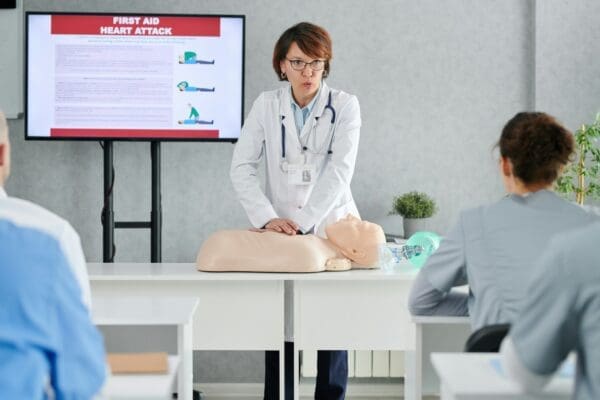
Nursing is critical in the health care system, serving as the backbone of patient care, advocacy, and support. Today, the demand for skilled nurses is higher due to a rapidly aging population, the increasing prevalence of chronic diseases, and evolving health care delivery systems. Yet, an often-overlooked but equally important aspect of nursing is the significant need for qualified nurse educators. These professionals use their extensive clinical experience and knowledge to bridge critical gaps in nursing education and play a pivotal role in influencing future generations of healthcare practitioners. If you want to advance your career, deepen your expertise, and impact student learning while improving patient outcomes, exploring MSN nurse educator online programs could be your next step.
The transition from bedside care to the education sector is more than a simple career move; it answers a growing, industry-wide need and brings unique challenges and rewards. Nurse educators are instrumental in preparing and shaping the nursing workforce of tomorrow.
Addressing the Nurse Educator Shortage
One of the most pressing problems in healthcare education today is the ongoing shortage of nurse educators. According to the American Association of Colleges of Nursing, over 75,000 qualified applicants were turned away from U.S. nursing programs in 2018 alone due to insufficient faculty. This crisis is not only stalling the growth of future nursing classes but is also contributing to the nationwide nursing shortage seen in hospitals and clinics. Experienced nurses stepping into educator roles directly address this urgent need by increasing the number of available faculty, thus allowing schools to admit more students and produce more graduates. By choosing this path, you help increase access to nursing education, improve the diversity and quality of nursing classes, and help safeguard the profession’s sustainability for years to come. Programs offered at Arkansas State University prepare nurses for these roles by equipping them with the advanced knowledge and teaching skills needed to succeed in academic and clinical settings.
As a nurse educator, you become part of the solution to one of healthcare’s most significant bottlenecks. Educators ensure an ongoing supply of well-trained nurses and actively update curricula to address contemporary health challenges, such as new technologies or disease outbreaks. By stepping into education, experienced nurses help ensure the quality and quantity of our nursing workforce, playing a vital role in strengthening the entire healthcare system.
Opportunities for Professional Growth
Transitioning from clinical practice to a teaching environment opens many opportunities for personal and professional development, allowing nurses to apply their expertise in dynamic new ways. Nurse educators actively participate in research projects, often contributing to studies that advance nursing science, improve patient care standards, and inform public health initiatives. Participating in curriculum development keeps teaching content up to date and ensures graduates are prepared for the realities of modern practice.
Nurse educators are also vital mentors, guiding students through nursing school’s academic, clinical, and personal challenges. This leadership role can translate into formal administrative or program director roles and participation in professional organizations and policy advisory boards. Involvement in these areas encourages continuous self-improvement, lifelong learning, and specialization, keeping educators updated on the latest advancements in evidence-based practice. The unique blend of academic, leadership, and research responsibilities makes this a dynamic and fulfilling career option for experienced nurses seeking intellectual stimulation and new challenges.
Achieving Work-Life Balance
For many nurses, clinical roles are associated with rotating shifts, high-intensity environments, and unpredictable overtime, all of which can contribute to burnout and limit opportunities for rest or personal pursuits. In contrast, nurse educators typically enjoy far more predictable schedules, as their work is aligned with academic calendars. This usually means stable daily hours, weekends off, scheduled holidays, and extended breaks between terms, offering educators the chance to plan and spend quality time with friends and family.
The improved work-life balance that comes with an academic position is a significant draw for nurses looking to avoid burnout and create a sustainable, long-term career in healthcare. Alongside regular schedules, educators frequently have the flexibility to participate in research, attend conferences, engage in consulting opportunities, or continue clinical practice part-time—all while meeting family commitments or pursuing personal interests. This unique balance enhances job satisfaction and can contribute to overall wellness and longevity in the profession.
Making a Lasting Impact on the Nursing Profession
Effective nurse educators are much more than instructors—they serve as role models, advocates, and mentors who profoundly impact students’ development, confidence, and clinical competence. By incorporating evidence-based practices, empathy, and ethical decision-making into their teaching, nurse educators help instill core nursing values in every cohort they mentor. Their guidance sets the tone for patient care and professional standards, ensuring that those values are translated into practice regardless of the healthcare setting. Through ongoing mentorship and support, nurse educators build lasting relationships with students, many of whom become lifelong colleagues and contributors to improved patient outcomes nationwide.
The influence of a good nurse educator extends well beyond the walls of a lecture hall or simulation lab. Every nurse educator will reach hundreds or even thousands of patients over the course of their career, multiplying the positive effect exponentially. By shaping ethical thought processes and a hands-on, patient-centered approach to care, educators leave a meaningful legacy that helps advance the profession and impacts countless patient lives.
Diverse Career Opportunities
A career in nurse education is anything but one-dimensional. While many imagine teaching in classroom settings, the profession includes a broad spectrum of roles beyond lecture halls. Nurse educators play vital roles in clinical skill labs, simulation centers, community outreach programs, and in-service training sessions for practicing nurses. Hospitals, public health agencies, and private corporations rely on nurse educators for staff development, continuing education, and quality improvement initiatives.
In addition to face-to-face teaching, nurse educators can participate in curriculum design, accreditation processes, academic research, professional writing, policy making, and health care consulting. Some even become leaders and administrators within colleges or healthcare organizations, guiding policy changes and adopting innovative teaching methodologies. This variety allows nurse educators to tailor their career paths according to personal strengths and passions, making it one of the most flexible and rewarding specialties within nursing.
Final Thoughts
The transition from clinical nursing to education represents a viable, rewarding path that helps solve the nurse educator shortage, supports professional advancement, and offers meaningful work-life balance. Most importantly, by entering the field of nurse education, you can help prepare, support, and inspire future generations of nurses who will make a difference in patient care. If you are passionate about mentorship, committed to lifelong learning, and eager to shape the future of healthcare, becoming a nurse educator could be one of the most fulfilling moves of your nursing career.