How Family Dentistry Provides Education Beyond The Dental Chair

You might be feeling that dental visits have turned into rushed checkups, quick cleanings, and a reminder to floss more, without much real conversation. You sit in the chair, you nod when the dentist talks, and you walk out still wondering if you are really doing the right things for your family’s teeth and overall health, and whether choosing a family dentist in Monterey Park CA could make a difference.
Then something small happens. A child’s cavity appears even though you thought their brushing was fine. A parent’s gums start bleeding. An aging grandparent struggles with dentures. Suddenly you realize you are not just managing “teeth” anymore. You are trying to protect your family’s health, confidence, and comfort, and you need more than a twice-a-year chat to do that.
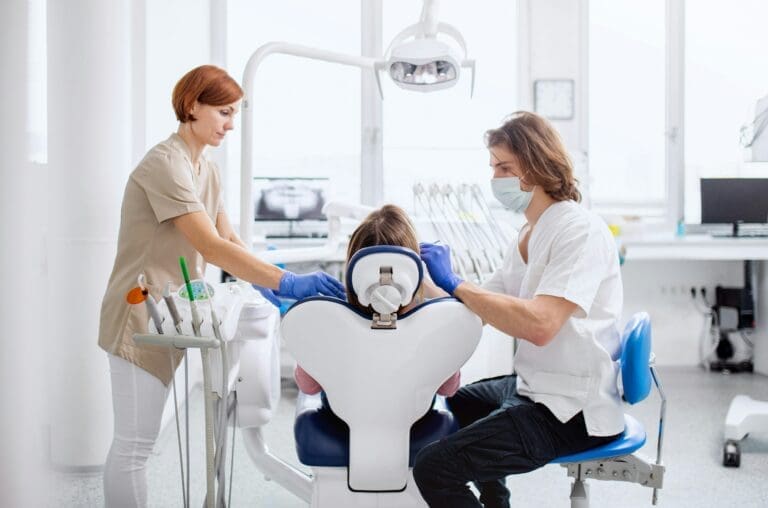
That is where a strong family dentist can become more than a provider. A good family practice becomes an educator and a partner, offering guidance that continues long after you leave the office. Family dental education beyond the chair can change how your family eats, brushes, and even talks about health at home. It can reduce emergencies, lower costs, and give you more control and less fear.
So where does that leave you right now. You may feel behind or unsure. You may worry there is too much to learn. The good news is that small, clear pieces of guidance from a family dentist can make a big difference, and they do not have to feel overwhelming.
Why quick checkups are not enough for real family dental health
Think about a typical visit. You rush from work or school, fill out a few forms, sit in the waiting room, then finally get called back. The hygienist cleans, the dentist looks, a few instructions are given, and you are out the door. It is no surprise you leave with more questions than answers.
The problem is not that you are careless. It is that life is busy and dental information often comes in short bursts, full of jargon, at a time when you are nervous and lying on your back. You might hear “brush in circles” or “watch those sugars” but not really understand what that should look like in your kitchen, your bathroom, and your schedule.
Because of this tension, you might wonder if you are missing important signs. Is that sensitivity normal. Is your teen’s energy drink habit actually dangerous. Are your parents’ new medications affecting their teeth. You do not want to overreact, but you do not want to be blindsided either.
On top of that, there is the emotional side. Kids can be scared. Adults can feel ashamed about past dental neglect. Older adults may feel embarrassed about missing teeth or dentures. Without a dentist who teaches with patience and respect, it is easy to avoid questions instead of asking them.
So the real challenge is not just “bad brushing.” It is the gap between quick instructions and real understanding. That is where education from a trusted family dentist becomes powerful.
How a family dentist becomes an educator for every age
A strong family practice understands that each stage of life brings different worries and habits. Good education adjusts to that, instead of sending everyone home with the same generic advice.
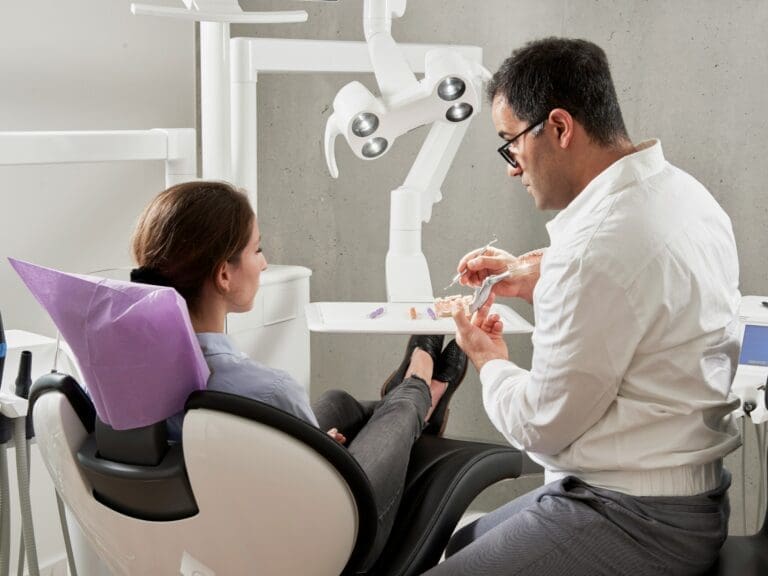
For young children, education often starts with stories and simple routines. A family dentist might show them how “sugar bugs” hide on their teeth, or practice brushing on a model so they feel confident. Parents might get clear guidance on when to start fluoride, how to handle thumb sucking, or what snacks are less harmful between meals. Resources like the Wisconsin Department of Health Services oral health materials can support these conversations with simple, visual guides.
For teens and young adults, the focus shifts. Now the conversations may involve braces, wisdom teeth, sports injuries, and habits like vaping or sugary drinks. A family dentist who takes time to explain cause and effect can help a teen understand that enamel erosion or gum irritation is not just a lecture topic, it is something they can see in their own mouth. This kind of ongoing education is what people usually mean when they talk about family oral health guidance rather than a quick cleaning.
For adults, questions often connect oral health to the rest of the body. You may want to know how gum disease relates to diabetes or heart disease. You may ask about whitening, night grinding, jaw pain, or pregnancy and dental work. A thoughtful family dentist will not just say “it depends.” They will walk you through what is known, what to watch for, and what you can do at home.
For older adults, education becomes even more sensitive. Medications, dry mouth, dentures, implants, and bone loss all play a role. The American Dental Association offers helpful information on aging and dental health, and a good family dentist will translate that into daily habits. How to clean dentures without damaging them. How to manage dry mouth. When to call about a sore spot that does not heal.
In all of these cases, the family dentist is not only fixing problems. They are building your ability to prevent them, by giving you clear, age appropriate explanations and tools.
Comparing quick fixes at home with guided care from a family dentist
With so much information online, you might wonder if you can just learn everything yourself. You can watch videos, read blogs, and buy new products. So why work so closely with a family dentist at all.
Education from a trusted dentist does something the internet cannot. It puts your specific mouth, your family history, and your daily routines at the center of the plan. That changes both the quality and the safety of the advice you follow.
| Approach | What it looks like day to day | Common risks | Key benefits |
|---|---|---|---|
| DIY learning with online tips | Watching videos, buying whitening kits, trying new mouthwashes based on ads or reviews. | Overusing strong products, missing early signs of disease, wasting money on things you do not need. | Fast, convenient, feels low cost at first. |
| Quick, “just clean my teeth” visits | Twice a year cleanings, minimal questions, no written plan or follow up. | Ongoing confusion, repeat problems like cavities or bleeding gums, higher costs when issues become urgent. | Some professional care, but limited guidance between visits. |
| Ongoing education with a family dentist | Regular visits that include simple explanations, personalized tips, and written or online resources to use at home. | Requires a bit more time and honesty about habits. You may need to adjust routines gradually. | Fewer surprises, better prevention, care that fits each family member’s age, health, and budget. |
If you are curious and want to read deeper between visits, tools like the UTHealth Dentistry patient information guides can complement what your dentist explains. The difference is that your dentist helps you sort what matters for you, instead of leaving you to guess.
Three practical steps to start using your family dentist as an educator
So, how do you turn a routine checkup into real family dental care education that continues at home. You do not need a big overhaul. You can start with a few simple changes in how you show up and what you ask for.
1. Go in with 3 clear questions for your next visit
Before your appointment, take five minutes and write down three concerns. For example.
- “What is the most important thing I can change at home to prevent cavities for my kids.”
- “How do my medications affect my teeth or gums.”
- “Can you show me the right way to floss around this crown or bridge.”
Hand that list to the dentist or hygienist at the start. This gives them permission and a clear path to focus on education, not just procedures.
2. Ask for a simple, written plan for home
At the end of the visit, ask for a short “home care plan” in writing. It does not need to be fancy. It might include.
- Which toothbrush, toothpaste, or rinse to use, and how often.
- One or two changes to snacks or drinks for your family.
- What signs mean “call us” versus “watch and wait.”
Post that plan on the bathroom mirror or refrigerator. When you forget what was said in the chair, the plan will help you stay on track.
3. Treat education as part of the service, not a bonus
During each visit, say out loud that you value clear explanations. For example. “I really want to understand how to help my kids avoid cavities. Can you walk me through what you are seeing and what it means.” This signals to the dentist that you are open to guidance and not just trying to get in and out.
If you feel rushed or confused, it is okay to say. “That was a lot of information. Could you repeat the main points or write them down.” A good family dentist will welcome that and adjust.
Bringing it all together so your family feels informed, not overwhelmed
You do not have to become a dental expert. You do not need perfect habits or a flawless history. What you need is a partner who sees your whole family, not just your teeth, and who treats education as part of every visit.
When a family dentist takes time to teach, answer questions, and send you home with clear steps, you gain more than a bright smile. You gain fewer surprises, more confidence, and a sense that you are not facing your family’s oral health alone.
You deserve that peace of mind. Start by bringing your questions to your next appointment and asking for simple, specific guidance you can use at home. The learning does not have to stop when you leave the dental chair. That is exactly where it can begin to matter most.