The Value Of Regular General Dentistry Appointments
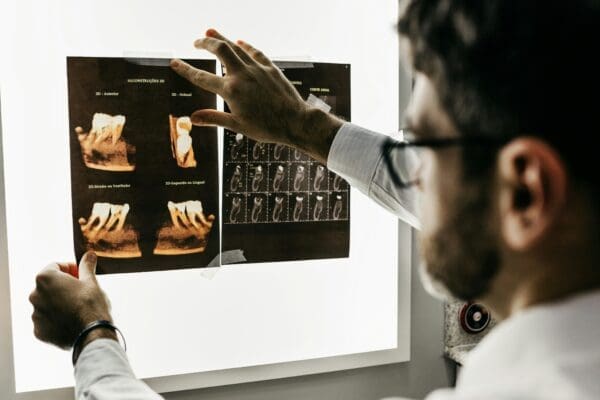
Regular general dentistry appointments protect your health, your comfort, and your wallet. You may think you can wait until something hurts. By then, the problem often runs deeper and costs more. A routine visit lets your dentist find small issues before they grow. You can keep your natural teeth longer and avoid emergency treatment. You also gain clear answers about your mouth, instead of guessing or worrying at home. During each visit, your dentist checks for decay, gum infection, oral cancer, and signs of grinding or clenching. Then you get a cleaning that removes buildup your toothbrush cannot reach. Over time, these steady visits support easier eating, fresher breath, and more confidence when you talk or smile. If you see a dentist in North San Antonio or anywhere else, regular general dentistry appointments give you control over your health, not the other way around.
Why routine checkups matter for your whole body
Your mouth connects to the rest of your body. When you skip visits, small mouth problems can strain your heart, blood sugar, and breathing. The Centers for Disease Control and Prevention explains that poor oral health is linked to heart disease and diabetes.
Routine checkups support three goals.
- You lower your risk of pain from cavities and infection.
- You protect your ability to chew and speak clearly.
- You help guard your heart and other organs from strain linked to gum disease.
Every visit offers a chance to catch warning signs early. You may not feel anything. You may not see anything in the mirror. The exam still shows changes that need care.
What happens during a general dentistry visit
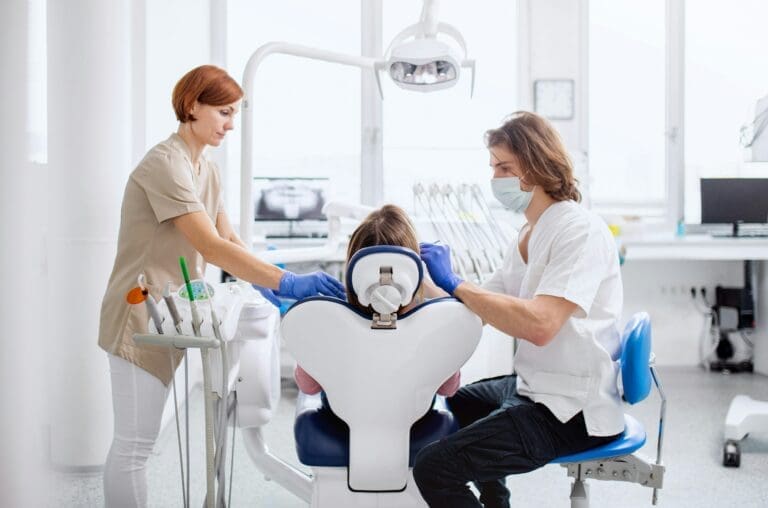
A standard visit follows a clear pattern. This helps you know what to expect and reduces fear.
- Medical and dental history review. You share medicines, health changes, and recent problems.
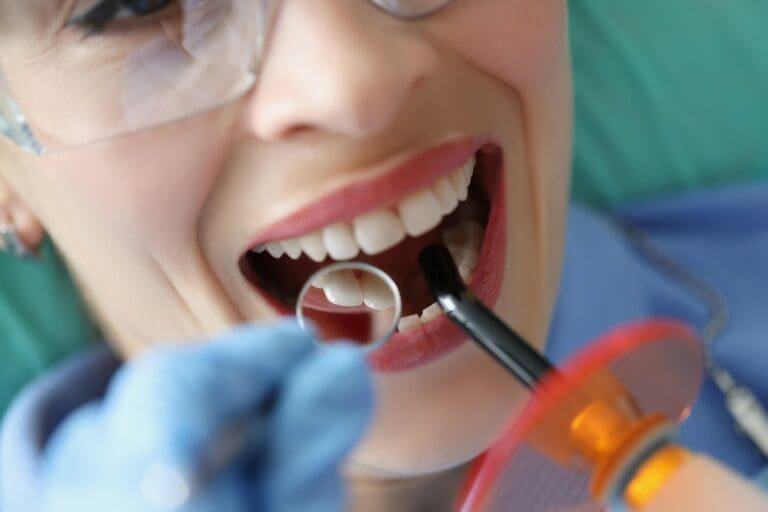
- Exam of teeth and gums. The dentist checks each tooth for decay and looks for gum infection.
- Screening for oral cancer. The dentist checks your tongue, cheeks, and throat for spots or lumps.
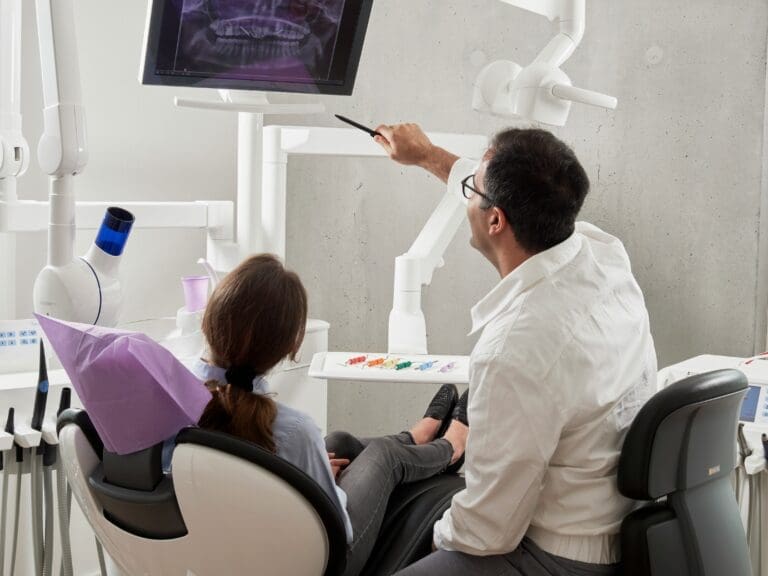
- X rays when needed. Images show decay, bone loss, and hidden infection.
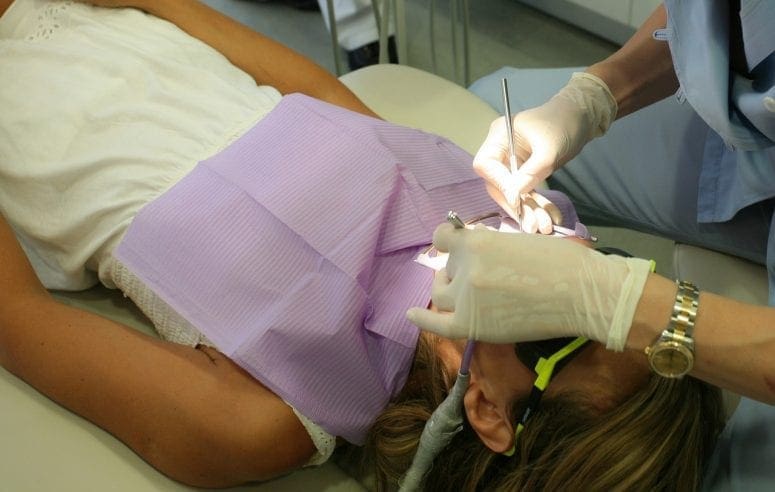
- Cleaning. The hygienist removes plaque and tartar and then polishes your teeth.
- Fluoride or sealants for some patients. You may receive extra protection for teeth at higher risk.
- Home care plan. You get clear steps for brushing, flossing, and diet choices.
This pattern supports the same outcome each time. You walk out with a cleaner mouth, a clear picture of your health, and a plan for the months ahead.
How often you should go
Many people need a visit every six months. Some need more frequent care if they have gum disease, diabetes, dry mouth, or use tobacco. The American Dental Association explains that your schedule should match your personal risk.
Three factors shape your visit schedule.
- Your current mouth health.
- Your other health conditions.
- Your home brushing and flossing habits.
Ask your dentist to explain the reason for your visit plan. Clear reasons reduce doubt and help you stay on track.
Cost of prevention compared to delayed care
Regular care feels like one more bill. Yet skipped checkups often lead to emergency visits and long treatment plans. Those cost more money and more time away from work or school.
| Type of visit | Typical timing | Usual cost range | Impact on your life |
|---|---|---|---|
| Routine exam and cleaning | Every 6 to 12 months | Low | Short visit. Little or no pain. Helps avoid future problems. |
| Filling for a small cavity | As needed when decay is caught early | Low to medium | One visit. Minor numbness. Saves the tooth structure. |
| Root canal and crown | When decay reaches the nerve | High | More visits. More time off work. Strong emotional stress. |
| Tooth removal and replacement | When a tooth cannot be saved | High to very high | Chewing changes. Smile changes. Longer healing time. |
This table shows one clear pattern. Regular preventive visits keep problems in the low-cost and low-stress column.
Benefits for children, adults, and older adults
Every age group gains something different from regular general dentistry.
- Children. Early visits shape healthy habits. Kids learn that the dental chair is a safe place. Baby teeth stay strong, which guides adult teeth into better positions.
- Adults. Routine care protects your smile during busy years. You face less sudden pain that disrupts work, parenting, or caregiving.
- Older adults. Ongoing checkups help manage dry mouth, wear from grinding, and changes in gums. You keep your ability to eat a full range of foods.
Families who schedule visits together also gain shared routines. Children see parents take oral health seriously. Parents see early signs of problems in their children and can act fast.
Preparing for your next appointment
You can take simple steps before your visit.
- Write down any pain, bleeding, or changes in your mouth.
- List all medicines and supplements you take.
- Note any health diagnoses since your last visit.
- Prepare questions about brushing, flossing, or food choices.
During the visit, speak up. If you feel fear, say so. If something hurts, say which part and when. Clear words help your dentist adjust care, ease your stress, and protect your trust.
Taking the next step
Regular general dentistry appointments are not a luxury. They are basic maintenance for your body. You would not ignore a strange noise in your car for years. You should not ignore bleeding gums or a tooth that feels different.
Call your dentist today and schedule the next visit on your calendar. Then treat that date as a promise to your future self. Your mouth, your body, and your peace of mind will thank you through easier meals, calmer sleep, and fewer moments of sudden fear.