Why Customized Restorations Improve Both Beauty And Function
You might be feeling a mix of frustration and hesitation every time you look in the mirror or bite into something slightly firm. Maybe a tooth has chipped, an old filling feels rough, or your smile is not what it used to be after years of wear. You know something needs to be done, yet the thought of “more dental work” can feel exhausting and a bit scary. A visit to a trusted Rutherford dentist could be the reassuring first step toward restoring both your comfort and confidence.
At the same time, you probably want two things that feel equally important. You want your teeth to look natural and attractive, and you need them to work comfortably when you chew, speak, and laugh. Because of this tension, you might wonder if you have to choose between cosmetic dentistry and restorative dentistry, or if there is a way to bring both together in a way that respects your budget, your schedule, and your peace of mind.
The truth is that carefully customized restorations can rebuild damaged teeth so they look like they belong in your mouth, not in a catalog, while also restoring strength, comfort, and long term health. The right cosmetic and restorative dentist will think about beauty and function as one connected goal, not two competing ideas.
Why do damaged teeth affect more than just your smile?
It often starts small. A tiny chip. A dark line around an old filling. A tooth that feels “off” when you bite. You tell yourself you will deal with it later. Over time though, these small changes can start to affect your confidence and your daily life.
You might smile with your lips pressed together in photos, or avoid certain foods on one side of your mouth. You may even find yourself thinking about that one tooth during a meeting or a date, which can be draining. So where does that leave you when the problem is no longer just cosmetic, but not yet an emergency either?
This is where the tension grows. You know that leaving worn or broken teeth alone can lead to bigger problems. Cracks can deepen. Old fillings can leak. Jaw muscles can strain to compensate. Yet you might also be worried about how artificial the result will look, how much it will cost, or whether you will be pressured into work you are not ready for.
A thoughtful cosmetic and restorative dentist understands that every chipped edge or worn surface is part of a bigger story. Teeth carry your history. Grinding from stress, old sports injuries, childhood fillings, even previous dental work that was done with older materials. The goal is not just to “fix a tooth” but to respect that story while guiding you toward healthier, stronger, and more confident days ahead.
How do customized restorations bring beauty and function together?
When you hear “restoration,” you might think of a basic filling or a standard crown that simply plugs a hole. Modern dentistry can be far more precise and personal. Customized restorations are designed around your bite, your facial features, your gum line, and even the way light reflects off your natural enamel.
For example, imagine you have a front tooth with a large filling that has started to stain and chip. A quick, one size fits all solution might repair the chip, but ignore the way your upper lip rests, the shape of the neighboring teeth, or the way your lower teeth meet that tooth when you speak. You might walk out with a tooth that is technically repaired, but feels slightly too thick, looks slightly too bright, and clicks against your lower teeth every time you swallow.
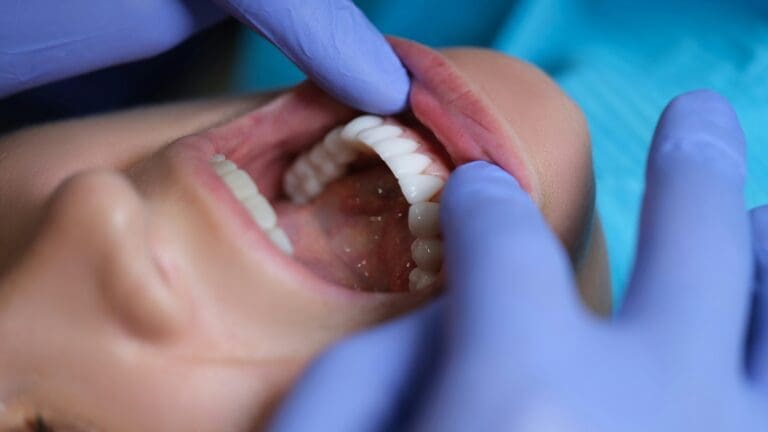
A customized restoration works differently. Your dentist studies your bite and your natural tooth shape. They choose materials and shades that match the level of translucency and texture of your existing teeth. They refine the contact points so the tooth does not interfere with your jaw movement. The result is not just a “pretty” tooth. It is a tooth that disappears into your smile and your daily life.
Research and guidelines from organizations like the American Dental Association have helped dentists better understand which materials work best in which situations. For example, modern tooth colored fillings and bonding materials are described in the ADA’s overview of materials for direct restorations. These advances help your dentist choose options that not only look natural but also resist wear, fractures, and staining in a predictable way.
So when you hear terms like crowns, onlays, veneers, bonding, or implants, the important question is not just “Which procedure is this?” but “How will this specific restoration be shaped, colored, and fitted to support both my smile and my bite?” That is where true customization lives.
What are the real trade offs between appearance and strength?
You might worry that if you choose something that looks very natural, it will not last. Or that if you choose something very strong, it will look bulky or fake. This used to be a more common trade off, especially when metal based crowns were the standard for strength and older resin materials were more likely to stain or wear down.
Today, research supported by groups like the National Institute of Dental and Craniofacial Research has led to stronger ceramics, improved bonding techniques, and better understanding of how materials behave under long term chewing forces. You can read more about how dental materials have evolved through NIDCR’s overview of dental materials research investments and advances.
Even with these advances, there are still choices to make. Some materials are more conservative, meaning less tooth needs to be removed. Others may be more forgiving if you grind your teeth at night. Some are easier to repair if they chip. Thinking through these details with your dentist helps you find the balance that fits your life, not someone else’s.
| Comparison of Common Restoration Approaches | |||
|---|---|---|---|
| APPROACH | APPEARANCE | FUNCTION & DURABILITY | BEST FOR |
| Quick, generic filling or crown | May not perfectly match color or shape | Can restore basic chewing, but may feel “off” in bite | Short term fixes, small issues, tight budgets |
| Customized tooth colored restoration | Blends with natural teeth in color and contour | Designed to fit your bite, often more comfortable and stable | Visible teeth, patients wanting both beauty and strength |
| Metal based restoration | Very noticeable in the smile zone | High strength, long history of durability | Back teeth with heavy biting forces when appearance is less critical |
| Layered ceramic or porcelain restoration | Highly natural, mimics enamel translucency | Strong, but needs careful design to avoid chipping | Front teeth, smile makeovers, complex cosmetic cases |
Seeing these approaches side by side can make it easier to ask focused questions. You do not need to know every material by name. You simply need to understand what you value most and how each option supports that.
What should you consider before saying yes to a restoration?
Before you agree to any treatment, it helps to pause and look beyond the single tooth that hurts or bothers you. Your mouth is a system. The position of one tooth affects the others. Your bite influences your jaw joints and muscles. Small details in one restoration can change how everything feels over time.
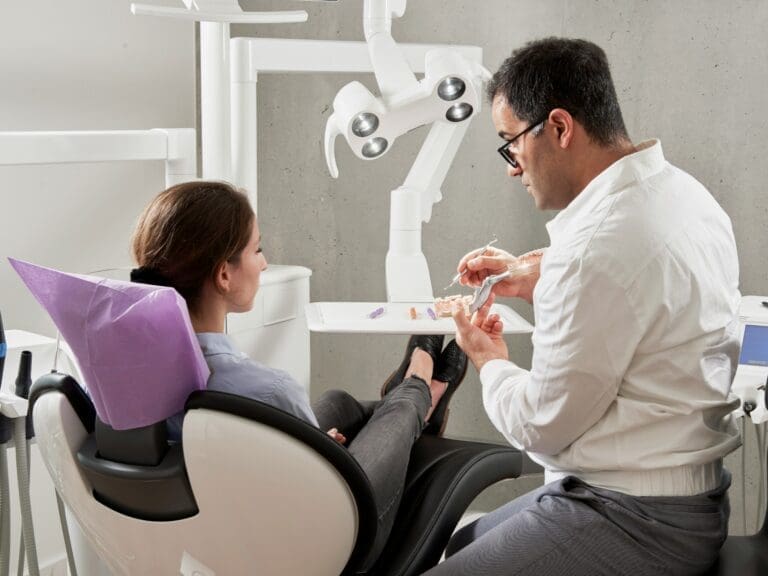
A good cosmetic and restorative dentist will usually start by checking how your teeth meet when you close, how you move your jaw side to side, and whether there are signs of clenching or grinding. They might also review existing fillings, crowns, or older dental work. The goal is to understand why a tooth failed or wore down in the first place, so the new restoration does not repeat the same pattern.
Professional guidelines from sources like the ADA’s oral health topic resources can help dentists make choices that are both evidence based and practical. For you, this means your dentist is not guessing. They are drawing from data, experience, and your specific situation.
So, where does that leave you when you are sitting in the chair and trying to make a decision that feels both smart and safe?
Three powerful steps you can take right now
1. Get clear on your priorities before your appointment
Take a quiet moment and write down what matters most to you. Is it long term strength, the natural look of your front teeth, comfort when chewing, or minimizing how much tooth is drilled? Rank your top three. Bring this list with you. When you share it, your dentist can tailor options that align with your goals instead of assuming what you care about.
2. Ask specific questions about beauty and function together
During your visit, ask things like: “How will this restoration look next to my other teeth?” and “How will it affect my bite and jaw comfort?” You can also ask, “If this were your mouth, and these were your priorities, which option would you choose and why?” This shifts the conversation from a quick fix to personalized dental restoration planning that respects both appearance and performance.
3. Plan for protection, not just repair
Once a tooth is restored, think about how to protect it. If you grind your teeth at night, a custom night guard can prevent future fractures. If you have dry mouth or high cavity risk, your dentist may suggest fluoride treatments or changes to home care. These steps support your restoration so it lasts longer and continues to look and feel natural. This is how a simple cosmetic and restorative dentistry decision turns into a long term investment in your overall oral health.
Moving forward with more confidence and less worry
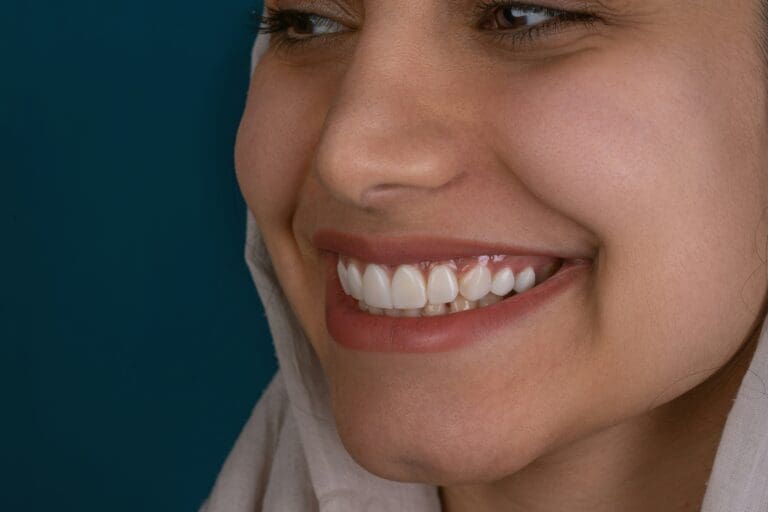
You do not have to choose between a strong bite and a confident smile. With thoughtful planning, modern materials, and a dentist who listens, customized dental restorations can bring both beauty and function back into balance. The chipped tooth that once made you hide your smile can become a tooth you forget about, because it simply works.
If you feel overwhelmed, that is normal. You are making decisions about your health, appearance, and comfort all at once. The important thing is to take the next small step. Talk with a trusted cosmetic and restorative dentist, share your concerns and your priorities, and ask for options that respect both how you look and how you live.
Your teeth do not have to be perfect to be worth caring for. They just need to be yours, supported by choices that help you eat, speak, and smile with a little more ease tomorrow than you did today.