4 Long Term Benefits Of Investing In Dental Implants

You might be tired of thinking about your teeth every time you eat, smile, or see a photo of yourself. Maybe you lost a tooth years ago and told yourself you would “deal with it later,” yet now you avoid certain foods, you cover your mouth when you laugh, and you feel older than you are. Or you might be wearing a denture that slips at the worst moments, leaving you anxious in social situations and frustrated at mealtimes. A dentist in Great Falls can help you address these concerns and restore your confidence.
If that sounds familiar, you are not alone. Tooth loss is extremely common, and so is the quiet stress that comes with it. The good news is that modern dentistry offers options that do more than just “fill a gap.” Dental implants can restore how your mouth looks, feels, and functions, and they keep working in the background year after year.
In simple terms, here is the big picture. Dental implants are small titanium posts that act like artificial tooth roots. A crown, bridge, or denture is then attached to them. They are designed to be long lasting. Over time, they can protect your jawbone, keep your facial shape from collapsing, make eating feel natural again, and free you from many of the day to day worries that come with missing teeth or loose dentures.
So where does that leave you? You might be weighing the cost, the time, and the “what if it goes wrong” questions. To make a clear decision, it helps to understand the long term benefits, not just what happens in the first few months.
Why missing teeth feel like more than “just a cosmetic issue”
Tooth loss often starts with one problem tooth. Maybe it cracked, or the root canal failed, or gum disease made it loose. At first you adapt. You chew on the other side. You avoid certain foods. You tell yourself it is temporary. Over time, though, the impact spreads.
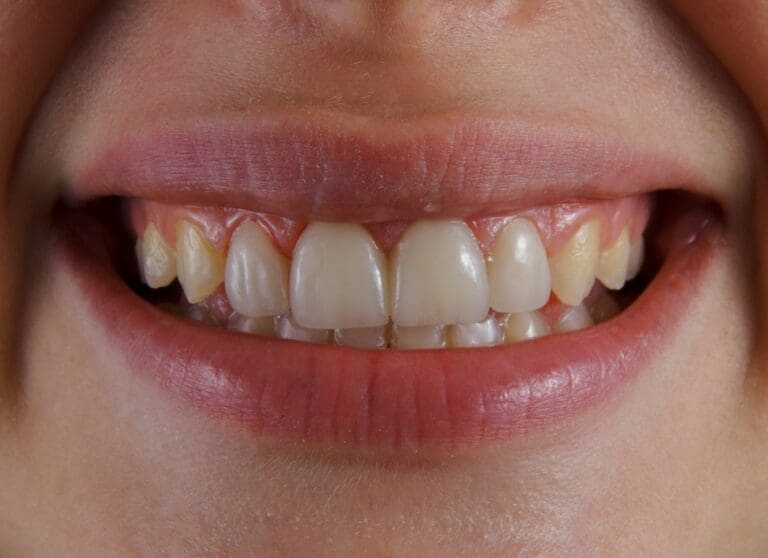
Chewing becomes less comfortable. You may swallow larger pieces of food because you cannot break them down well. For some people, this leads to digestion issues. Smiling starts to feel like a performance. You might practice “closed lip” smiles or avoid group photos. When laughing or speaking, there is a small, constant worry that someone will notice the gap.
If you already wear traditional dentures, you might recognize a different kind of stress. Dentures can rub sores, trap food, and shift when you talk or eat. According to MedlinePlus, many denture wearers deal with changes in fit over time because their jawbone shrinks. That means more adjustments, more adhesive, and often less confidence.
Because of this tension between “I can live with it” and “I am not happy like this,” you might wonder whether a more permanent solution is worth the investment.
How dental implants support your jaw and face over the years
One of the most powerful long term benefits of investing in dental implants is what happens beneath the surface. When a natural tooth is lost, the jawbone in that area no longer gets the stimulation it needs from chewing. The body responds by slowly breaking that bone down. Over time, this can lead to a sunken appearance around the mouth and deeper facial lines.
Implants act like artificial roots. As you chew, the implant transfers forces into the jawbone. According to the U.S. Food and Drug Administration, which offers guidance on what you should know about dental implants, the bone can grow around the implant in a process called osseointegration. This helps preserve bone height and density over the long term.
What does that mean for you day to day. It means your facial shape is more likely to stay fuller and more stable over time. It means fewer changes in how your dentures or other teeth fit. It also means less of that “collapsed” look that some people notice years after they lose teeth.
How long term implant benefits compare to bridges and dentures
You might be weighing long term benefits of dental implant treatment against more familiar options like bridges or full dentures. Each option has a place, and the best choice depends on your health, bone levels, and budget. Still, it helps to see how they differ when you look 5, 10, or 15 years ahead.
Here is a simple comparison to ground your thinking.
| Treatment option | Typical longevity | Impact on jawbone | Day to day stability | Maintenance over time |
|---|---|---|---|---|
| Single or multiple dental implants | Can last many years, often 10+ with good care | Helps maintain bone in the area of the implant | Feels fixed and stable when chewing or speaking | Regular cleanings and home care, like natural teeth |
| Fixed bridge on natural teeth | Often 7 to 10 years before replacement or repair | Does not replace the lost root, bone still shrinks under the gap | Generally stable, but relies on neighboring teeth | Flossing under the bridge and monitoring supporting teeth |
| Removable full or partial dentures | Often 5 to 8 years before needing a new set | Jawbone tends to shrink over time, especially with full dentures | Can move or slip, especially when eating or talking | Relines, adjustments, and possible replacements as fit changes |
Research summarized in the NIH resource on dental implants shows that many implants have high success rates when placed in healthy patients and cared for properly. No treatment is guaranteed, and implants are not right for everyone, but the long term track record is strong.
So how do these differences turn into real life benefits for you.
4 long term benefits of investing in dental implants
When people talk about long term dental implant advantages, they often think about the cosmetic side. A full smile matters, but these four benefits reach much further.
1. A more natural way to eat for years to come
With well placed implants, many patients can bite into apples, chew salads, and enjoy meat or crusty bread with far less worry. Because implants are anchored in bone, they provide a level of stability that removable dentures often cannot match. Over time, this can support better nutrition and a more relaxed relationship with food. You are not constantly thinking, “Can my teeth handle this.”
2. Protection for neighboring teeth
A traditional bridge usually requires the dentist to shape the teeth on either side of the gap. Those teeth carry extra load to support the bridge. With implants, the missing tooth is replaced at its own site. The neighboring teeth are left more intact and are less likely to be overloaded. Over the long term, that can mean fewer root canals, fewer fractured teeth, and less complex dentistry down the road.
3. Support for facial structure and confidence
As bone shrinks, the lower face can start to look shorter and the lips may fold inward. This is especially common in people who have worn full dentures for many years. Because implants help preserve bone, they support the underlying structure of your face. The benefit is not a dramatic “makeover.” It is a quieter, steady support that helps you look more like yourself as the years pass.
With that physical stability often comes emotional ease. Many people report that they worry less about their teeth slipping, their speech changing, or their smile being noticed for the wrong reasons. That can make social events, work meetings, and simple daily conversations feel more natural.
4. A long horizon on your investment
Implants often cost more up front than a denture or bridge. That is the part most people focus on, and it is understandable. The other side of the story is what happens over 10 or 15 years. Dentures may need multiple relines or remakes. Bridges may need to be replaced if the supporting teeth fail. Each of those steps adds cost and time.
When implants heal well and are cared for, they are designed to last many years. You still need regular checkups and cleanings, just like with natural teeth. Yet the need for major rework is often lower. For many people, that long term stability makes the initial cost feel more like a durable investment rather than a short term fix.
What should you think about before choosing implants
Even with all these benefits, dental implants are not a quick or simple decision. There are medical, financial, and emotional pieces to consider. Your general and implant dentist will look at your overall health, your medications, your bone levels, and your expectations. They may suggest bone grafting or other steps to improve your chances of success.
Emotionally, it is normal to feel nervous about surgery or uncertain about whether you “deserve” to spend money on yourself. Many people have carried shame or embarrassment about their teeth for years. Choosing implants can feel like finally giving yourself permission to fix something that has bothered you for a long time.
Financially, you might weigh monthly payments, insurance limitations, and other priorities. It can help to think not only about the cost of treatment, but also the cost of doing nothing. Ongoing pain, repeated temporary fixes, and the quiet toll on your confidence all have a price, even if it does not show up on a bill.
Three practical steps you can take right now
1. Get a thorough evaluation with clear imaging
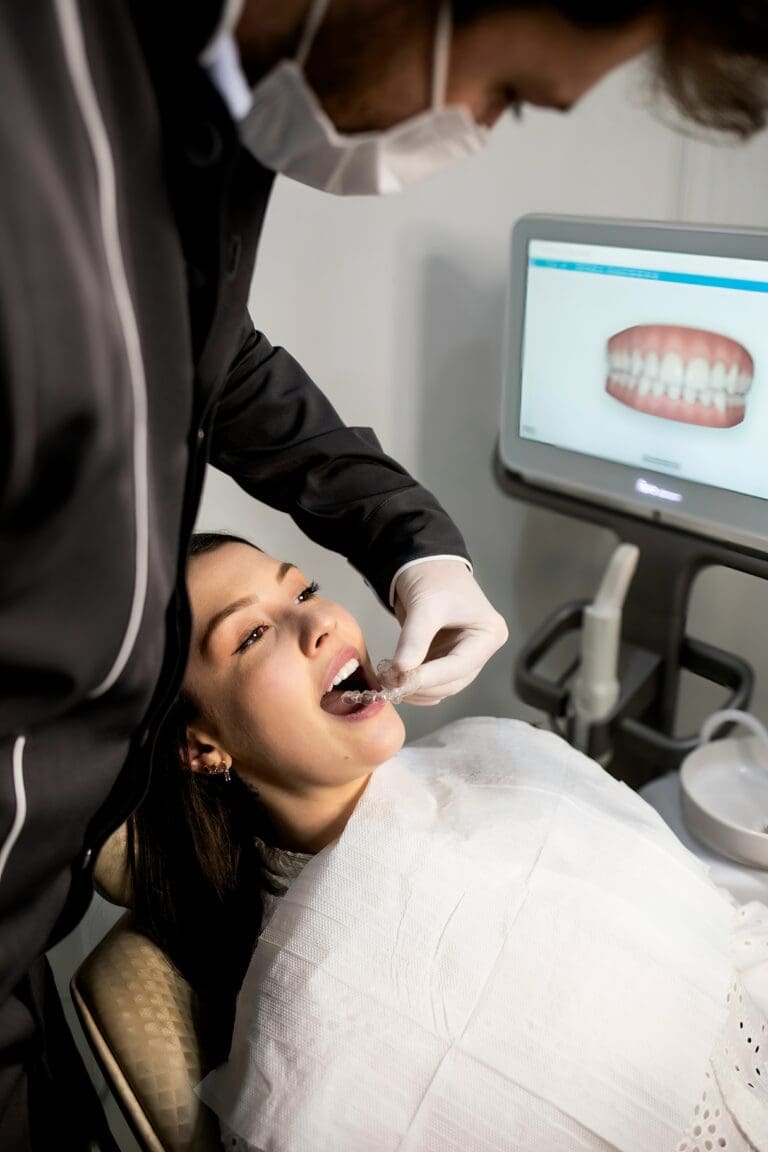
Schedule a visit with a qualified general and implant dentist. Ask for a full exam that includes X rays and, if recommended, a 3D scan of your jaw. Bring a written list of questions and concerns. Ask about your specific risks, your bone quality, and what outcomes are realistic for you.
2. Compare treatment plans, not just prices
If you receive a treatment plan, take time to understand it. Ask what your options are if you choose implants versus a bridge or denture. Ask about how many visits are needed, healing times, and what your mouth will feel like during each phase. If needed, seek a second opinion so you can compare approaches, not only costs.
3. Plan for long term care from the start
Implants need consistent care. Before you commit, ask what your home routine should look like. Clarify how often you should return for maintenance visits. If you smoke, have diabetes, or grind your teeth, discuss how to manage those risks. A realistic plan makes it easier to protect your investment for the long run.
Moving toward a more confident, comfortable future
Living with missing teeth or unstable dentures can wear you down slowly. You adapt, you cope, and you make the best of it, yet a part of you may always be on guard. Choosing dental implants is not about chasing perfection. It is about giving yourself a stable, reliable foundation for eating, speaking, and smiling for many years.
You deserve teeth that do not constantly demand your attention. With the right planning and a trusted dental team, implant dentistry can offer that kind of quiet, long term support. If you have been putting this off, consider taking one small step. Ask questions, gather information, and see what is realistically possible for your mouth. That first conversation can be the start of feeling more like yourself again when you look in the mirror and when you meet the world with your smile.