How Family Dentistry Reinforces Oral Health Lessons At Home
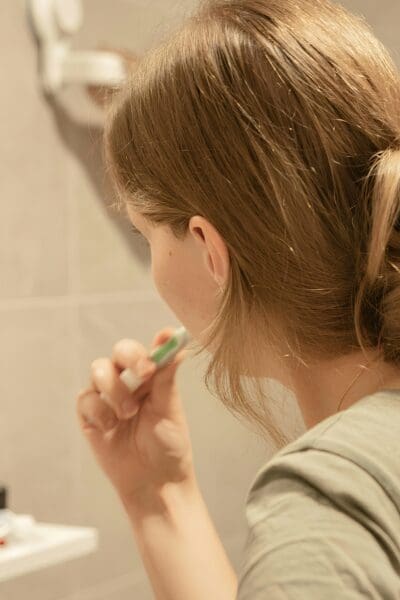
You might be feeling a bit worn out from reminding your child to brush their teeth every night, wondering if any of it is actually sinking in. One day they seem excited about their new toothbrush, the next day you are negotiating over two minutes of brushing like it is a major life decision. It can leave you questioning whether you are doing enough, or doing it right. A Vancouver dentist can also help reinforce these healthy habits during regular check-ups.
At the same time, you probably know that good oral health in childhood can shape health for decades. That is a lot of pressure to carry on your own. This is where a family dentist can quietly change the story. Instead of you being the only voice your child hears about teeth and gums, the dental office becomes a partner that repeats, reinforces, and models the same lessons you are trying to teach at home.
So where does that leave you right now. In simple terms, a strong relationship with a family dentistry practice can turn daily brushing battles into shared routines, help your child trust dental visits instead of fearing them, and give you clear, science based guidance instead of guesswork. You do not have to become a dental expert. You just need a team that backs you up.
Why does teaching oral health at home feel so hard sometimes
The basic rules sound simple. Brush twice a day with fluoride toothpaste. Floss once a day. Limit sugary snacks. Yet the reality with real children and real schedules is not simple at all.
Maybe mornings feel rushed, so brushing becomes a 20 second swipe instead of a solid two minutes. Maybe your child chews on the toothbrush instead of using it. Maybe a well meaning grandparent offers frequent sweets, which undercuts your careful limits. You might even feel guilty when your child has a cavity, as if it means you failed.
Because of this tension, you might wonder if your child is just “not listening” or if something is missing in the way the lessons are being taught. Often, the problem is not effort. It is repetition, consistency, and having the same message presented in different ways, by different adults, in different settings.
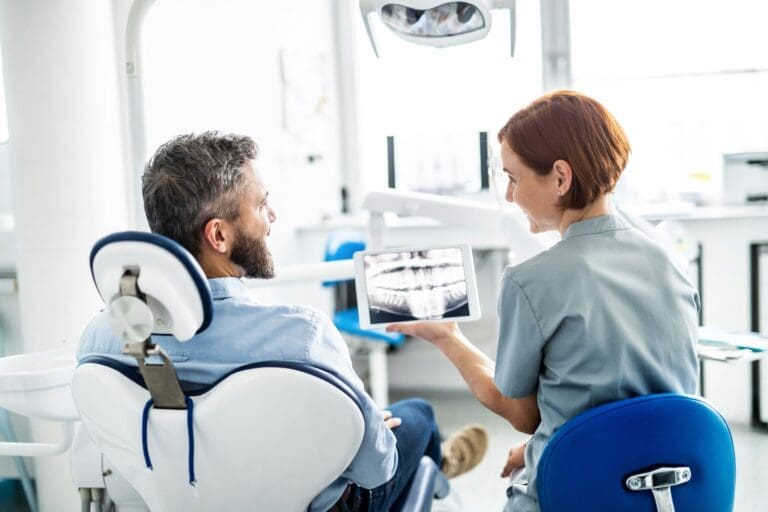
A strong family dental care team understands that children learn through stories, visuals, and repetition. During checkups, hygienists and dentists can show your child where plaque hides, use kid friendly language, and give them specific praise for what they are doing well. That outside voice can suddenly make the same message you repeat at home feel new and worth following.
How does family dentistry actually support your home routines
Think of the dental office as an extension of your home routine, not a separate world. The more your family dentist knows about your real life, the more they can tailor advice that your child will actually follow.
For example, if your child resists brushing at night, a family dentist can suggest simple tricks. A favorite song that lasts two minutes. A sticker chart. Letting your child choose the flavor of toothpaste. When these ideas come from a trusted professional, children often take them more seriously, and you no longer feel like you are inventing solutions alone.
There is also the emotional side. Many children feel some fear around dental visits. A family practice that sees your whole household can soften that fear. Your child sees you get your teeth cleaned. They see siblings go in and come out smiling. Over time, the dentist becomes “our dentist,” not a strange place where scary things happen.
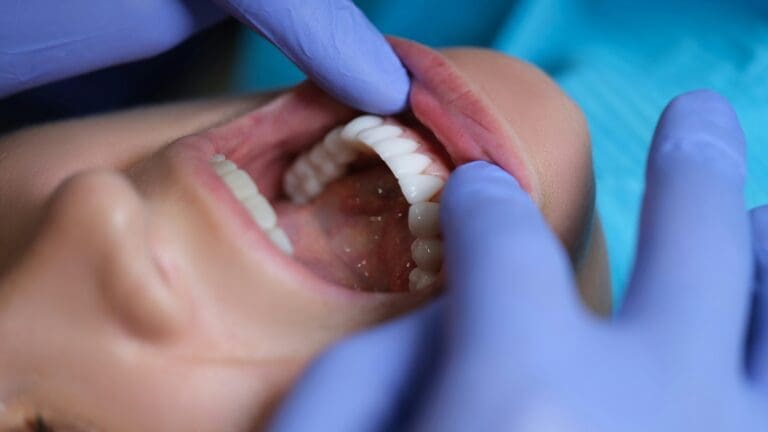
On the medical side, regular visits give you early warnings. The dentist can spot weak enamel, early cavities, or crowding before they turn into bigger problems. You then adjust habits at home while the problem is still small. This is exactly how family dentistry for kids and parents reinforces lessons. It connects what happens in the chair with what happens in your bathroom sink every morning and night.
What are the tradeoffs between doing it all yourself and relying on a family dentist
You might wonder whether you really need a regular family dentist if you are already trying hard at home. A practical way to look at it is to compare “home only” efforts with a home plus dentist partnership.
| Approach | What You Rely On | Benefits | Common Gaps |
|---|---|---|---|
| Home routines only | Your own knowledge, internet tips, and daily habits | Low cost, full control over routines, flexible timing | Hard to spot early problems, mixed information online, kids may tune out your reminders |
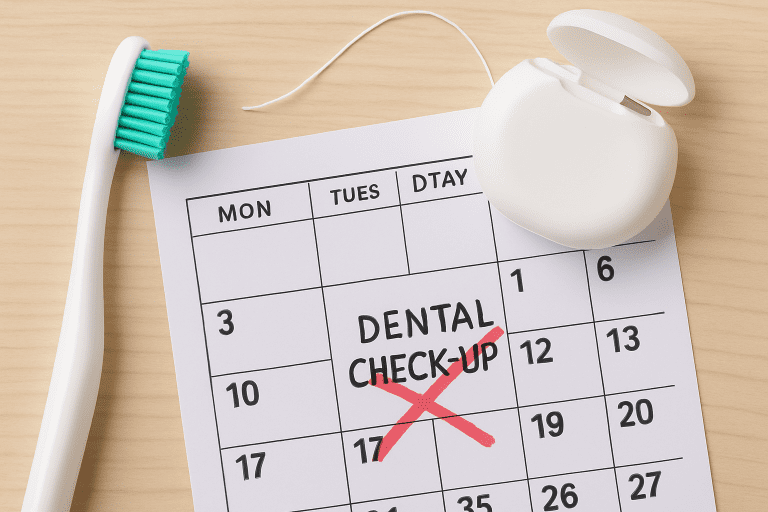
| Home routines plus regular family dentist | Shared guidance from dental professionals and you | Early detection of issues, consistent messages, professional cleanings, tailored advice for your child | Appointment scheduling, visit costs, time away from school or work |
National health organizations consistently recommend both. Daily care at home plus regular professional checkups. For example, the Centers for Disease Control and Prevention share simple, clear oral health tips for children that match what most family dentists teach. The goal is not to choose one or the other. It is to let them support each other.
If you have a child with special needs, complex medical issues, or high cavity risk, the partnership becomes even more important. The American Academy of Pediatric Dentistry offers helpful resources for parents so you can walk into your family dentist’s office prepared with questions that matter for your child.
What simple steps can you take now to strengthen oral health lessons at home
You do not need to overhaul your entire routine. A few focused changes, supported by your family dentist, can make a real difference.
1. Turn brushing and flossing into a shared ritual, not a solo chore
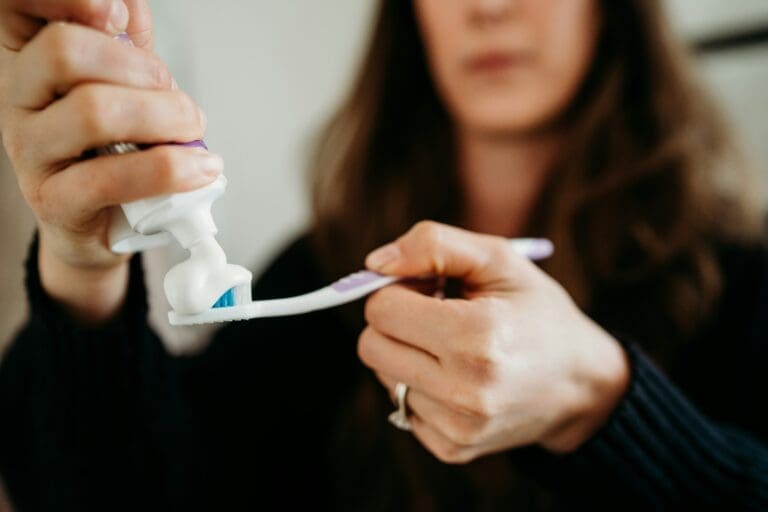
Children copy what they see. If you brush and floss at the same time they do, in the same room, you send the message that this is what the whole family does, not just what kids are forced to do. Set a timer for two minutes. Use a song or an app. Stand side by side at the sink. Your family dentist can show you proper technique so you feel confident modeling it.
If your child is very young, you can “finish up” their brushing after they try. Many dentists recommend that a parent help with brushing until a child has the hand coordination to write in cursive smoothly. That simple guideline can take away the guesswork.
2. Use your child’s dental visits as teaching moments you continue at home
After a cleaning, ask the dentist or hygienist to show your child where they did well and where they missed spots. Some offices use disclosing tablets or colored solutions to highlight plaque. When you get home, refer back to what the dentist said. For example, “Remember how they found extra plaque behind your front teeth. Tonight we will spend a few extra seconds there.”
If your child is old enough, invite them to ask one question at each visit. It could be about braces, sports mouthguards, or why baby teeth matter. This builds a habit of curiosity and gives them a sense of control. The Health Resources and Services Administration has a clear guide on taking care of your child’s oral health, which can help you think of good questions in advance.
3. Align your food and drink choices with what your dentist is seeing
If the dentist notices early signs of decay, ask very specific questions. For example, “Are there certain snacks that are causing more trouble” or “How often is juice or soda realistic for our child.” Then make one or two small changes at home that directly match that advice. Maybe it is moving from constant grazing to defined snack times. Maybe it is keeping water as the main drink between meals.
Children respond well when they understand the “why.” You can say, “Our dentist saw some sugar bugs starting on your back teeth. Cutting back on sticky snacks will help those spots heal and stay strong.” When the message at home matches what your child heard in the dental chair, it feels more real and more worth following.
Where do you go from here
You are already doing something important just by caring this much. Teaching children to care for their teeth is not about perfection. It is about steady, repeated lessons that come from people they trust, in places they feel safe. A supportive family dentist can be one of those trusted voices, reinforcing what you say at home, catching small problems early, and turning dental care into a normal part of your family’s rhythm.
You do not need to carry the weight of your child’s future oral health alone. With the right partnership, the daily routines that feel like a struggle today can become simple habits your child carries into adulthood.