4 Key Services Veterinary Hospitals Provide For Puppies And Kittens

You might be feeling a mix of joy and worry right now. The tiny paws, the clumsy jumps, the way your puppy or kitten curls up on your lap. It is all wonderful. At the same time, there is a quiet voice in the back of your mind asking if you are doing everything you should for their health. A trusted Durham veterinarian can help guide you through these first steps.
Maybe you are unsure how often they need vaccines, or you have heard different opinions about spaying and neutering. You might be Googling symptoms late at night, wondering if you should rush to a veterinary hospital or wait until morning. That tension between wanting to protect them and not always knowing how is very real.
The good news is that you do not have to figure this out alone. A veterinary hospital for puppies and kittens is built around four core services that guide you through these early months. Routine wellness exams, vaccines and parasite control, nutrition and behavior support, and spay or neuter surgery all work together to keep your young pet safe and growing in a healthy way.
So where does that leave you right now? It means that once you understand these four key services, you can walk into any appointment with better questions, more confidence, and a clear sense of what your puppy or kitten needs at each stage.
Why are early puppy and kitten visits such a big deal?
It often starts with something simple. Maybe you brought your new pet home and the breeder, shelter, or friend said “Take them to the vet in the next few days.” You know it is important, but you may not be sure what actually happens at those first visits or why they matter so much.
Here is the hard truth. Puppies and kittens are fragile. Their immune systems are still developing. Common diseases like parvovirus in puppies or respiratory infections in kittens can move fast and be life threatening. Parasites like fleas, ticks, and worms can drain their energy and spread quietly through your home. Without a plan, it is easy to miss early warning signs.
Because of this, many veterinary hospitals follow structured puppy and kitten visit schedules. For example, the University of Georgia outlines a clear series of puppy and kitten wellness visits that cover physical exams, vaccines, parasite checks, and guidance for new owners. It is not about pushing services. It is about building a foundation.
The same pattern appears with kittens specifically. The Royal Veterinary College offers detailed kitten care advice that shows how much happens in the first year. Litter training, diet changes, socialization, and health checks are all linked. When you see it laid out, the idea of “just going in for shots” suddenly feels too simple.
So how do these concerns turn into clear services you can rely on?
What are the 4 key services veterinary hospitals provide for young pets?
Most puppy and kitten care centers on four main pillars. When you understand each one, you can see how they fit together and where to focus your energy and budget.
1. Routine wellness exams and growth tracking
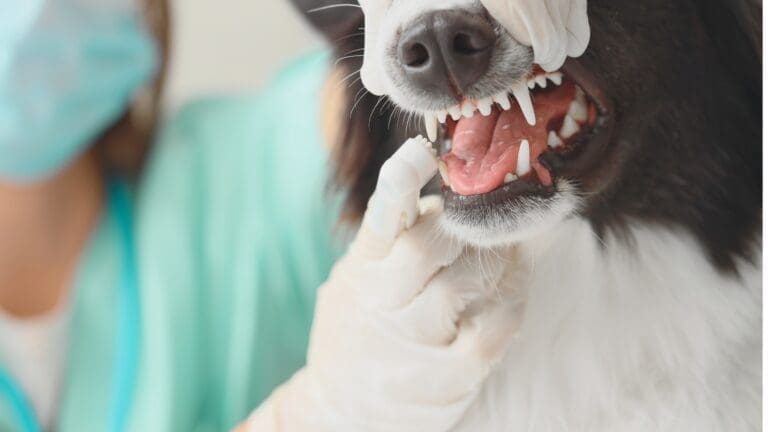
This is more than a quick look and a pat on the head. In a series of early visits, your veterinarian will listen to the heart and lungs, check eyes, ears, teeth, joints, and skin, and feel the abdomen. They are looking for heart murmurs, congenital issues, hernias, early dental problems, and signs of infection or pain.
For a puppy or kitten, these regular checkups give your vet a chance to track weight, growth, and behavior over time. If something is even slightly off, you can adjust early instead of facing a crisis later. It is similar to pediatric checkups for children. You are not just treating illness. You are watching development.
2. Vaccinations and parasite prevention
This is where many owners feel stressed. There is a lot of talk about which vaccines are “necessary” and when to give them. A good veterinary hospital will explain which vaccines are considered core, such as those that protect against parvovirus, distemper, and rabies in puppies, or panleukopenia and upper respiratory diseases in kittens.
These vaccines are usually given in a series over several visits. That series is not a random pattern. It is timed to work around the fading protection from the mother and to build your pet’s own immunity. Skipping or delaying without guidance can leave gaps at the worst times.
Parasite prevention is just as important, even if it feels less urgent. Puppies and kittens often arrive with internal worms, and fleas and ticks can appear quickly. Your veterinary team will recommend testing for intestinal parasites, then prescribe preventives for worms, fleas, ticks, and sometimes heartworm, based on your area and your pet’s lifestyle.
3. Nutrition, behavior, and home care guidance
This is the part that is easy to overlook, yet it shapes daily life with your pet. You might be wondering how much to feed, which food to choose, or how to handle nipping, scratching, or late night zoomies. You may also be unsure when to change from puppy or kitten food to adult food.
Veterinary hospitals use these early visits to tailor advice to your specific pet. A large breed puppy has very different nutritional needs from a small indoor kitten. Behavior issues like biting or scratching can often be redirected with a few consistent strategies when they are young. If you wait until those habits are deeply set, they are much harder to change.
This is also when you can ask about litter box issues, crate training, socialization, and safe play. You should never feel embarrassed about your questions. These topics are exactly what your vet expects to talk about during early visits.
4. Spay and neuter counseling and surgery
Finally, there is the question of spaying or neutering. You might hear different opinions about when to schedule it, especially with certain breeds. A thoughtful veterinary hospital will walk you through the benefits and timing for your individual pet, instead of using a one size fits all answer.
Spaying and neutering can reduce the risk of some cancers and infections, prevent unwanted litters, and help with certain behavior issues. At the same time, the best age can vary based on size, breed, and health. Your vet will weigh those factors with you, then handle the surgery, pain control, and recovery plan.
At this point you might be wondering how to balance all of this with cost, time, and your own comfort level.
How do you weigh the benefits and the effort of early vet care?
It can help to see the tradeoffs side by side. Many new owners wonder if they can “wait and see” or spread out services more than their vet suggests. The table below gives a simple comparison.
| Approach | Short term impact | Long term impact | Emotional effect on you |
|---|---|---|---|
| Following a full puppy/kitten care plan | More visits in the first 6 to 12 months, predictable costs | Lower risk of serious disease, better behavior, clearer health history | More peace of mind, fewer “Is this an emergency?” moments |
| Doing only vaccines, skipping wellness and guidance | Fewer conversations with the vet, less time in the clinic | Higher chance of missing early problems, more trial and error at home | More second guessing, more online searching and worry |
| Waiting until there is a problem | Lower upfront cost, no routine visits | Higher risk of emergencies, potential for higher treatment bills | Stress during crises, guilt about “what if we had caught this sooner” |
There is no one right path for every family. Yet when you look at the tradeoffs, a structured plan through a young pet veterinary care service often reduces both risk and anxiety, even if it feels like more effort early on.
What can you do right now to protect your puppy or kitten?
You do not need to fix everything today. A few focused steps can make a real difference.
1. Schedule a dedicated “new pet” wellness visit
Ask for an appointment specifically for a new puppy or kitten, not just “shots.” Tell the clinic how old your pet is and when they last saw a vet, if ever. Bring any records you have, even if they are handwritten. During the visit, ask your vet to walk you through a month by month plan for the first year.
2. Create a simple health and behavior notebook
Keep a small notebook or digital note for your pet. Record vaccine dates, weight from each visit, parasite preventives given, and any odd symptoms, like vomiting, limping, or changes in behavior. Write down questions between visits so you do not forget them. This record helps your veterinary team spot patterns and gives you a calmer way to track what is going on.
3. Agree on a parasite and vaccine schedule you can stick with
Talk honestly with your vet about your budget and your daily routine. Ask which vaccines are essential for your area and which are optional. Do the same for parasite prevention. Then agree on a realistic schedule and set reminders on your phone. Consistency is more important than perfection. A plan you can follow is better than an ideal plan that keeps slipping.
Moving forward with more confidence and less worry
Bringing home a puppy or kitten is a big emotional shift. One day your life is quieter and more predictable. The next day you are responsible for a small life that depends entirely on you. It is normal to feel both love and fear at the same time.
A trusted veterinary hospital can turn that fear into a clear path. Through regular exams, thoughtful vaccination and parasite control, honest guidance on nutrition and behavior, and careful planning for spay or neuter surgery, you get a partner in your pet’s care, not just a place to go when something is wrong.
You do not have to know all the answers. You only need to take the next step, ask your questions, and keep showing up for your puppy or kitten. With the right support, those early worries soften, and what remains is what you wanted from the start. A healthy, happy companion growing up by your side.