Why Dental X-Rays Are Important In Veterinary Clinics
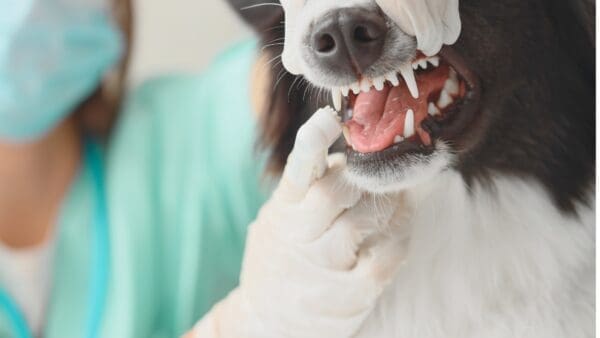
Your pet cannot tell you where it hurts. You rely on signs you can see. Yet many serious mouth problems hide under the gums. Routine exams miss them. Dental X-rays show what eyes and fingers cannot. They reveal broken roots, deep infection, jaw damage, and painful teeth that look normal on the surface. Early findings prevent tooth loss, bone loss, and long periods of quiet pain. They also protect the heart, liver, and kidneys from infection that starts in the mouth. When you ask your veterinarian in Black River about dental care, X-rays should be part of the plan. They guide treatment. They confirm what needs to be done. They also show when a tooth can stay. This simple step gives your pet safer anesthesia, shorter recovery, and a cleaner mouth. It gives you clear answers instead of guesswork.
What Dental X-Rays Actually Show
Dental X-rays focus on the teeth and the nearby bone. They use a small sensor in the mouth. They use a low dose of radiation. The image shows the whole tooth from crown to root. It also shows the jaw around it.
With these images, your veterinary team can see:
- Hidden fractures
- Infection around roots
- Tooth resorption in cats and dogs
- Retained baby teeth
- Cysts or unusual growths
- Bone loss from gum disease
The American Veterinary Medical Association explains that dental disease is common and often hidden under the gum line. You can read more here: AVMA Pet Dental Care.
Why A Normal Looking Mouth Can Still Hurt
Teeth can look clean and white while roots crumble out of sight. Gums can look pink while bone melts away below. Your pet may still eat and play. Yet each chew can send a sharp bolt of pain.
Dental X-rays uncover three silent problems.
- Root infection that has not reached the surface
- Tooth resorption that starts inside the tooth
- Bone loss that weakens the jaw
Once your veterinarian sees these changes, treatment can start before the tooth breaks or the jaw cracks. This prevents emergency surgery and deep suffering.
How Dental X-Rays Protect Your Pet’s Whole Body
Mouth infection does not stay in the mouth. Bacteria enter the blood and travel to the heart, liver, and kidneys. Over time, this steady trickle of germs can damage these organs.
Dental X-rays help remove the main source of this infection. They show which teeth cannot heal. Those teeth can be treated or removed. The result is less constant strain on the rest of the body.
The U.S. Food and Drug Administration explains how dental X-rays work and how low the radiation exposure is for people. The same basic safety rules guide veterinary use. You can read their overview here: FDA Dental Radiography.
What Happens During A Veterinary Dental X-Ray
Most pets need anesthesia for dental X-rays. This keeps them still. It also keeps the sensor safe in the mouth. The process is quick.
Here is what you can expect.
- Pre anesthesia exam and lab work
- Placement of an IV catheter
- Careful monitoring during anesthesia
- Placement of the sensor next to the teeth
- Brief exposure and instant digital images
- Review of images and treatment plan
Digital systems use a low radiation dose. Staff leave the room during exposure. Your pet is not left alone. Staff watch through a window or screen and return at once.
Comparison: Mouth Exam With and Without Dental X-Rays
| Feature | Exam Without Dental X-Rays | Exam With Dental X-Rays |
|---|---|---|
| View of teeth | Only crowns and gums | Crowns, roots, and jaw bone |
| Detection of root infection | Often missed | Seen early |
| Detection of tooth resorption | Late stage only | Early and late stages |
| Planning extractions | More guesswork | Clear view of roots and nerves |
| Risk of surprise during surgery | Higher | Lower |
| Time under anesthesia | May be longer from delays | Often shorter from clear plan |
| Chance of missed painful teeth | High | Much lower |
How Often Pets Need Dental X-Rays
Needs vary with age, breed, and health. Still, three simple rules help guide timing.
- At every full dental cleaning under anesthesia
- Any time a tooth looks broken, loose, or gray
- When there is bad breath, drooling, or face swelling
Puppies and kittens may need X-rays if baby teeth do not fall out. Senior pets often need them more often. Their teeth and jaws face more wear and tear.
How To Talk With Your Veterinary Team About X-Rays
You have a right to clear facts. You also have the right to ask for proof before any tooth is removed. Dental X-rays give that proof.
Three questions can guide the talk.
- Will you take dental X-rays before and after extractions
- Can you show and explain the images
- How do X-rays change the plan for my pet today
A calm clinic team will welcome these questions. Clear images help you understand choices. They also help you feel less fear about anesthesia and surgery.
Key Point For Your Pet’s Comfort
Dental X-rays do not add drama. They remove it. They turn hidden pain into a clear picture. They turn doubt into a plan. With this one step, you give your pet a safer mouth, a quieter body, and a better chance at steady comfort.