What Actually Drives the Cost of a New Roof
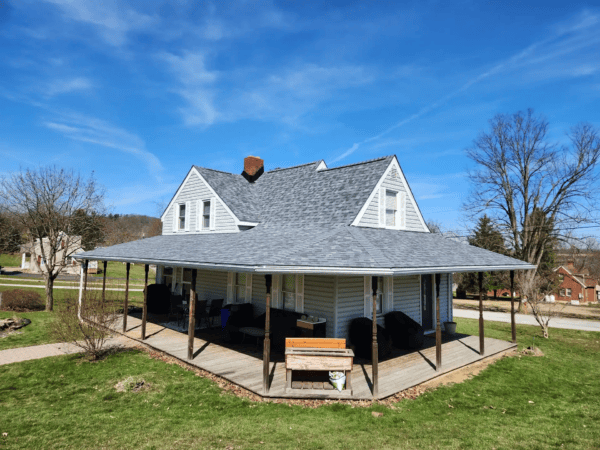
Two houses sit on the same street. Both need a new roof. Yet the quotes come back thousands of dollars apart.
It is rarely the case that one roofer is gouging anyone. The price is built on real factors. Once you know them, you can spot a fair number with confidence.
It Starts With the Basics
Before you get to shingle colors and warranties, a few plain factors set the baseline for every quote. Knowing them up front helps you work a roof into your budget instead of scrambling when the bills land.
Size and Roof Complexity
The bigger your roof, the more it costs. That part is simple. More surface means more material and more labor hours.
Shape matters too. Valleys, dormers, and chimneys all slow a crew down. A cut-up roofline takes longer than a simple gable, and that time shows up in the price.
How Steep Is Your Roof
Pitch is roofer-speak for how steep your roof is. A steep roof is harder and slower to work on.
Crews need extra safety gear and have to move more carefully up high. That added effort lifts the labor side of your quote.
How Many Layers Come Off
Some homes have two or even three layers of old shingles stacked up. Each one has to come off before new ones go on.
More layers mean more tear-off labor and more debris to haul away. This alone can swing a quote by hundreds of dollars.
Material Tier Is a Choice, Not a Trap
Your shingle choice is one of the few cost levers you fully control. The range runs from basic to premium, and each tier has its place.
| Material tier | Rough cost level | Typical lifespan | Best for |
| 3-tab asphalt | Lowest | 15-20 years | Tight budgets, shorter stays |
| Architectural asphalt | Moderate | 25-30 years | Most homeowners |
| Premium or designer | Higher | 30-50 years | Long-term homes, curb appeal |
| Metal | Highest upfront | 40-70 years | Lowest lifetime cost |
Match the Material to How Long You Will Stay
The cheapest option is not always the smartest buy. A shingle that lasts twice as long can cost less for every year you own the home.
Lifespans vary a lot by material. According to InterNACHI’s home life expectancy chart, it’s a handy way to double-check what a roofer tells you.
The frugal choice fits your timeline, not just the lowest sticker price.
Think Beyond the Sticker Price
Some materials pay you back over time. A metal roof reflects heat rather than absorbing it, which can reduce your summer cooling bills.
If lower energy costs matter to you, a few budget-friendly habits keep your home cooler without touching the thermostat.
A new roof also boosts your curb appeal, much like a handful of budget-friendly decor touches refresh a room inside.
The Hidden Costs Homeowners Forget
This is where two honest quotes start to drift apart. Much of a roof’s cost lives in places you cannot see from the driveway.
Decking Repairs
Under your shingles sits the wood decking. Sometimes it is rotted, and no one knows until the old roof comes off.
This is the most common surprise on any roofing job. An honest roofer cannot fully price it before they can see it, so plan for it as a possible add-on.
Flashing, Vents, and Penetrations
Flashing is the metal that seals around chimneys, vents, and valleys. Old flashing often needs to be replaced during a new roof installation.
Skipping it to save a few dollars is not real savings. Worn flashing is exactly where leaks begin, even on a brand-new roof.
Disposal and Permits
Hauling away your old roof costs money. So does pulling the permits your town requires.
Some bids fold these in clearly. Others leave them vague, which makes a quote look cheaper than it really is.
Why the Lowest Bid Sometimes Costs the Most
A rock-bottom quote feels like a win. Then the change orders start arriving.
A short bid often skips decking, flashing, or proper disposal. Those costs do not disappear. They simply show up later, usually at a worse price.
A very low number can also signal thin crews, cheaper materials, or a weak warranty. None of that helps you save money over the life of the roof.
This is where transparent pricing earns its keep. Joe Thornton Roofing itemizes the work and walks you through every line, so you see exactly what you are paying for.
How to Compare Quotes Apples-to-Apples
Comparing roofing quotes is not about finding the smallest number. It is about making sure each one covers the same work.
Run every bid through the same checklist before you decide:
- Confirm each quote lists the same shingle tier and product line.
- Check that tear-off, decking allowance, flashing, disposal, and permits are itemized.
- Compare warranty terms for both workmanship and the manufacturer.
- Ask how decking repairs are priced if rot turns up.
- Make sure the square footage assumptions match across bids.
When two quotes finally line up on scope, any price difference starts to make sense. That is when you can choose with real confidence.
Ready to Budget Your Roof?
Go back to those two houses on the same street. The cheaper quote was not always the better deal.
A fair price is not the lowest number. It is the honest one you actually understand. Ask questions, read the line items, and you will know a good roof quote when you see it.