

3 Signs Your Pet Needs A Veterinary Appointment Sooner Than Later
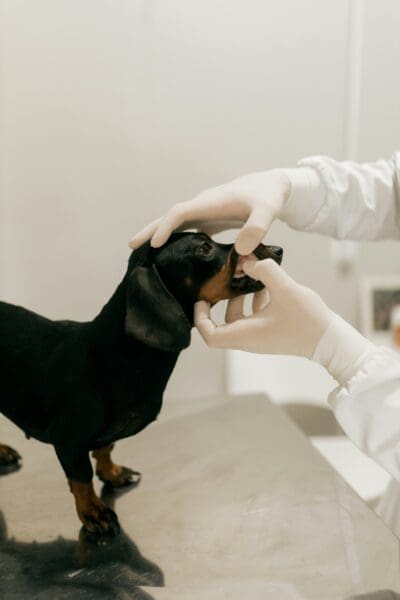
You might be staring at your pet right now, wondering if that new behavior is “just a phase” or something you should be worried about. Maybe your usually playful dog is suddenly quiet and hiding, or your cat has started vomiting more than usual, and you are stuck in that awful in?between place. It does not look like a full emergency, but it also does not feel normal. That is when a call to North Austin animal hospital can give you clarity and peace of mind.
This is a hard spot to be in. You do not want to overreact and rush to a clinic for every small change, yet you also do not want to miss something serious and regret waiting. Because of this tension, many pet owners delay care longer than they should, then feel guilty later.
Here is the short version. There are a few clear warning signs that your pet should see a general veterinarian sooner rather than later. Three of the biggest are sudden changes in eating or drinking, obvious pain or trouble moving, and ongoing vomiting, diarrhea, or breathing changes. If you notice any of these, it is safer to act early. You do not need to have all the answers before you call a clinic. You just need to notice that something is off and respond.
How do you know when “something seems off” is actually serious?
It often starts small. Your dog skips a meal, which is unusual, but you tell yourself they probably just are not hungry. Your cat starts drinking more water, and you brush it off because the weather is warmer. After a few days, though, a quiet worry grows in the back of your mind. You start searching online, find scary lists of diseases, and suddenly you feel even more stuck.
The problem is that animals are very good at hiding illness. By the time they show obvious signs, they may have been uncomfortable for a while. Because pets cannot tell you, “My stomach started hurting last week,” you only see the tip of the iceberg. This is why paying attention to patterns, not just single moments, matters so much.
So what are the clearest signs your pet needs a veterinary appointment sooner than later, even if it is not an all-out emergency visit to an ER clinic?
Sign 1: Changes in eating, drinking, or weight that you cannot explain
A healthy pet tends to eat and drink in a fairly predictable way. When that rhythm changes, your pet’s body is sending you a signal.
You might notice things like:
• Your dog skips more than one meal in a row, or your cat suddenly refuses food they normally love.
• Your pet is emptying the water bowl far faster than usual, or you are cleaning a litter box soaked with more urine than you have ever seen before.
• Your pet feels bonier when you pet them, or their collar suddenly looks tight, even though you have not changed their food.
Unplanned weight loss or gain, especially combined with appetite or thirst changes, can point to problems like diabetes, kidney disease, thyroid disease, or digestive issues.
Where this becomes stressful is the cost and time. You might worry about paying for blood work or imaging. You might also fear hearing bad news. Those are very human worries. Still, catching these issues early often means simpler treatment, less suffering, and sometimes even lower long-term costs.
Sign 2: Limping, stiffness, or clear signs of pain
Another red flag is any hint that your pet is hurting. Animals rarely cry out unless the pain is intense. Instead, they show it in quieter ways.
Watch for signs like:
• Limping or favoring one leg, even if it comes and goes.
• Struggling to jump on the couch or into the car when that used to be easy.
• Growling, flinching, or pulling away when you touch a certain spot.
• Restlessness, pacing at night, or trouble finding a comfortable position to sleep.
It is easy to chalk this up to “just getting older,” especially for senior pets. Age does bring changes, but pain is not something they should simply “live with.” Arthritis, injuries, and even some internal problems show up first as stiffness or reluctance to move.
If you ignore these signs and wait months, your pet might quietly adapt by using other joints or changing how they walk, which can create more problems. A timely visit with a small animal vet can uncover simple ways to control pain and protect their mobility for longer.
Sign 3: Vomiting, diarrhea, coughing, or breathing changes that last
Every pet has an off day sometimes. A single loose stool or an isolated hairball may not be urgent. The concern grows when these issues repeat or linger.
Pay close attention if you see:
• Vomiting more than once in 24 hours, or vomiting that lasts more than a day.
• Diarrhea that does not clear within a day, or contains blood or dark, tar-like material.
• Coughing that keeps coming back, or sounds “wet” or harsh.
• Breathing that seems faster, harder, or noisier than normal, especially at rest.
These can signal infections, organ problems, parasites, toxin exposure, or something stuck in the intestines. The CDC has a clear overview of how animal health connects to human health and why prompt care matters.
If you ever reach a point where your pet is struggling to breathe, collapsing, having seizures, or you suspect poisoning, that moves from “sooner appointment” to “immediate emergency.”
Should you wait and watch, or call a veterinarian now?
When you are worried, the hardest choice is often whether to wait another day or pick up the phone right now. The table below compares “wait and see” with “schedule a visit soon” for common situations, so you can think it through more clearly.
| Situation | “Wait and see” for 24 hours | “Schedule a vet appointment soon” |
|---|---|---|
| Missed one meal, otherwise acting normal | Reasonable to monitor, offer fresh food and water, keep notes | Call if it happens again, or if your pet seems low energy or nauseated |
| Vomiting 2 or more times in a day | Risk of dehydration if you wait, cause may worsen | Call the clinic the same day for advice or an appointment |
| Mild limp after rough play, improving within hours | Short rest and monitoring may be fine | Book a visit if limping returns, lasts more than 24 hours, or worsens |
| Increased thirst and urination over several days | Waiting often allows disease to progress quietly | Schedule a checkup and possible blood tests soon |
| Ongoing weight loss, even with normal eating | High risk to delay, could hide serious illness | See a veterinarian promptly for a full evaluation |
When in doubt, it is always acceptable to call a clinic and describe what you are seeing. You are not “bothering” anyone by being cautious. That quick call can help you decide whether to come in urgently or schedule a routine visit in the next few days.
What can you do right now if you are worried about your pet?
You may still feel a bit torn, which is understandable. You care about your pet, you care about your budget, and you want to make the right choice. Here are some concrete steps that can guide you.
1. Start a simple symptom log today
Write down what you are seeing, even if it seems small. Include the date, time, and a brief note such as “skipped breakfast,” “vomited clear fluid,” or “limped on back left leg after walk.” Over a couple of days, patterns may appear that were not obvious in the moment. This log also helps your vet understand the timeline and make better decisions.
2. Use trusted sources while you plan, not random search results
If you want to read more while waiting for an appointment, stick to reliable resources. The FDA’s guidance on pet emergencies and healthy weight, and the CDC’s healthy pet information, are good starting points:
• Who to call if you have a pet emergency
• Questions to ask your vet about healthy weight
• CDC guidance on staying healthy around pets
Use these to frame questions for your next visit, not to replace it.
3. Call your local clinic and describe the top 1 or 2 changes
Choose the most concerning signs, then call and describe them calmly. For example, “My 6?year?old dog has vomited three times in 24 hours and is drinking more than usual,” or “My indoor cat is losing weight even though she eats well.” Ask directly, “Do you recommend an appointment in the next day or two?” If they say yes, trust that guidance. If they say you can safely monitor, ask what specific changes should trigger an immediate visit.
Moving forward with more confidence and less fear
You are not expected to know where the line is between “normal quirk” and “medical problem.” Your job is simply to notice when your pet is different and to speak up. A timely visit with a general veterinary clinic can turn that knot of worry in your stomach into a clear plan, whether the issue is minor or something that needs closer attention.
Even if you feel nervous, even if you are afraid of bad news, reaching out sooner rather than later is an act of care. Your pet depends on you to be their voice. When you honor that, you give them the best chance at a longer, more comfortable life.