Ways to Make Your Pet’s Next Vet Visit Less Stressful
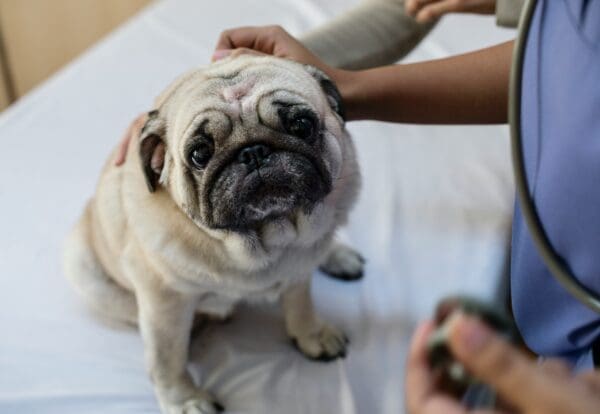
Trips to the veterinarian often spark anxiety for pets and their owners. Many pet parents dread seeing their beloved animals anxious or fearful, and pets easily sense this tension, heightening their stress further. By understanding your pet’s perspective and preparing thoughtfully, you can ensure a smoother, less traumatic experience at the clinic. Taking proactive steps does more than make visits calmer—it can be crucial, especially in situations when you might need an emergency vet, ensuring your pet receives care swiftly and safely.
Whether you own a curious kitten, a shy dog, or a more exotic companion, these strategies will help ease their nerves and yours. Reducing stress can lead to better examinations, clearer diagnoses, and more positive outcomes for everyone involved. Making veterinary visits a positive routine rather than a dreaded ordeal also strengthens the bond between you and your pet.
Acclimate Your Pet to Handling
Physical exams can seem invasive to pets unaccustomed to being handled. At home, gradually condition your pet by gently touching their paws, ears, and mouth on a daily basis. Every time your pet tolerates a gentle examination without resisting, reward them with treats, affection, or playtime. This practice is especially crucial for puppies, kittens, and rescue animals who might have past trauma connected to handling. Making these activities normal helps minimize stress during check-ups and grooming.
Familiarize Your Pet with the Carrier
For most cats and many small dogs, the sight of a carrier signals one thing: an impending, stressful trip. To counteract this, keep the carrier accessible all the time, not just before appointments. Line it with their favorite blanket, place treats inside, and occasionally feed your pet nearby so it becomes a normal and even comforting environment. Over time, this helps remove the negative association with vet visits and allows for less resistance come appointment day. This technique is widely recommended by veterinary professionals and is detailed in articles from the American Kennel Club (AKC).
Schedule Appointments During Quiet Times
Veterinary offices can be bustling with noise, new smells, and unfamiliar animals, all of which can be overwhelming for pets. Whenever possible, phone ahead and ask the staff to book you during their less busy hours—mid-mornings and early afternoons are typically calmer than evenings or weekends. This reduces your waiting time and limits exposure to anxious animals or hectic environments that might unsettle your pet further.
Practice Calm Car Rides
Many pets, especially those who rarely leave home, become anxious the moment they enter the car. To break this association, take your pet on frequent, short drives that don’t end at the vet. Visit a nearby park, a friend’s house, or simply enjoy a loop around the block. Make a habit of rewarding your pet after every ride, helping them realize that car journeys can lead to positive experiences, not just vet visits.
Bring Comfort Items
Your pet’s sense of smell is far more sensitive than yours, and bringing a familiar item along—like their favorite toy or a blanket from home—can have an immediate calming effect. These items remind your pet of a safe, known space, even in a strange environment. For dogs, a well-loved chew toy can provide additional distraction and relief, while cats often respond positively to a soft blanket with their scent.
Use Positive Reinforcement
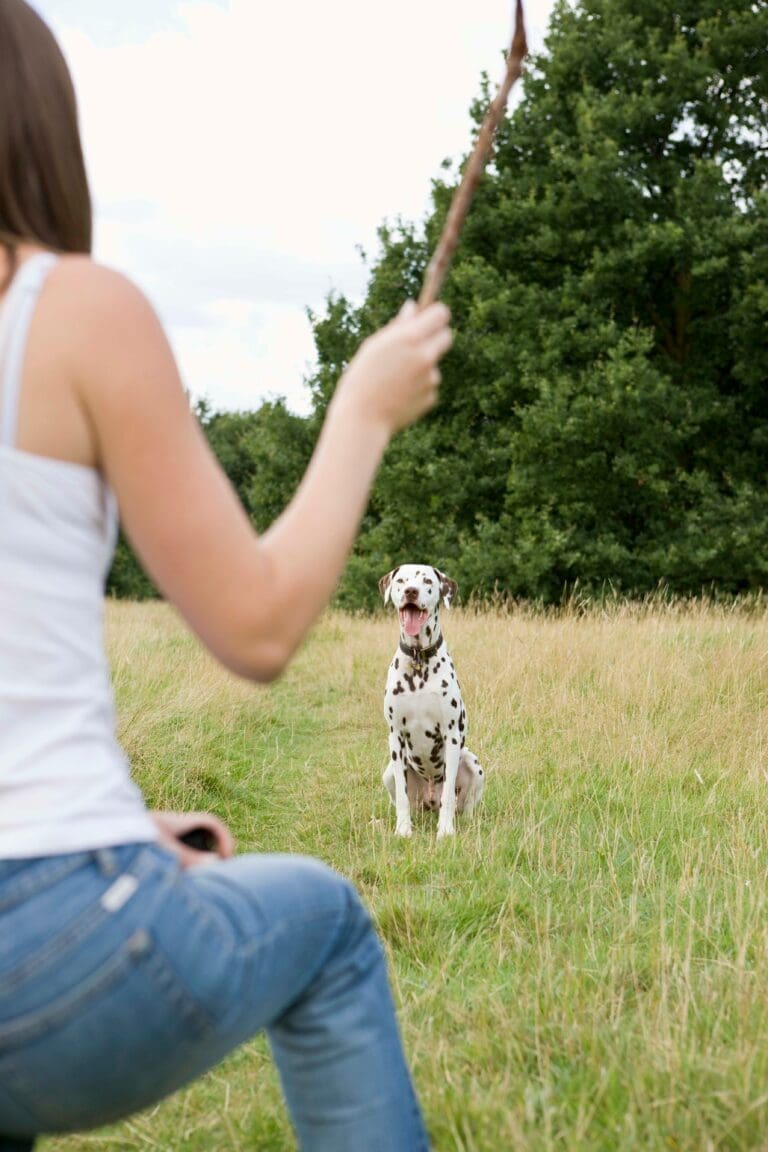
Reward-based training is one of the most effective ways to shape your pet’s behavior and emotional responses. Bring along high-value treats to the appointment and use them generously before, during, and after the visit. Praise your pet using a gentle tone, offer petting, and stay calm yourself; your own demeanor can significantly influence your pet’s stress level. Over multiple appointments, this consistent encouragement reinforces that vet visits lead to tasty rewards and loving attention, not just discomfort.
Consider “Happy Visits”
If your pet is very anxious, call ahead to ask about scheduling brief “happy visits.” During these non-medical visits, you bring your pet into the clinic just to explore the lobby, meet the staff, and get treats—no exams needed. These experiences help desensitize your pet, transforming the clinic from a place of fear to one of curiosity and fun. “Happy visits” are becoming an increasingly popular wellness strategy recommended by veterinarians nationwide.
Consult Your Veterinarian About Calming Aids
If your pet’s anxiety is severe, discuss anti-anxiety products with your veterinarian in advance. Calming pheromone sprays, infused collars, specialized treats, or prescription medications can provide significant relief in stressful situations. Your veterinarian will help you choose the safest and most effective options for your pet’s unique needs, especially if you anticipate an appointment involving more extensive procedures or emergencies.
Making your pet’s vet visit less stressful is a compassionate responsibility that benefits everyone involved. By preparing ahead with the right strategies, you can transform a dreaded occasion into an experience marked by patience, positivity, and trust—ensuring better health outcomes for your cherished companion.