Why Selling Your Mortgage Note Could Be a Smart Financial Move

Holding a mortgage note can be a reliable source of long-term income, but there are instances when converting that asset into a lump sum makes more sense for your financial security. For those considering options to unlock value from their property investment, learning how to sell your mortgage note can open doors to immediate solutions and fresh opportunities. The choice to sell your note isn’t just about the money—it’s about achieving greater flexibility, peace of mind, and the ability to act quickly when life presents new possibilities. Many note holders find that while payments trickle in steadily, their financial needs or goals often shift. From medical emergencies to investment ventures, access to a significant lump sum can be more valuable than small, recurring payments stretched over many years.
Understanding the pros and cons of selling a mortgage note is crucial before deciding whether to hold or sell this unique financial asset. The decision is not just about short-term cash—it’s also about long-term risk, market changes, and personal priorities. For instance, eliminating the burdens of payment collection or reducing exposure to real estate market volatility could be just as compelling as receiving quick funds. To help you make an informed decision, this article explores the primary benefits, considerations, and steps to selling your mortgage note, ensuring you are fully prepared for this significant financial move.
Immediate Access to Cash
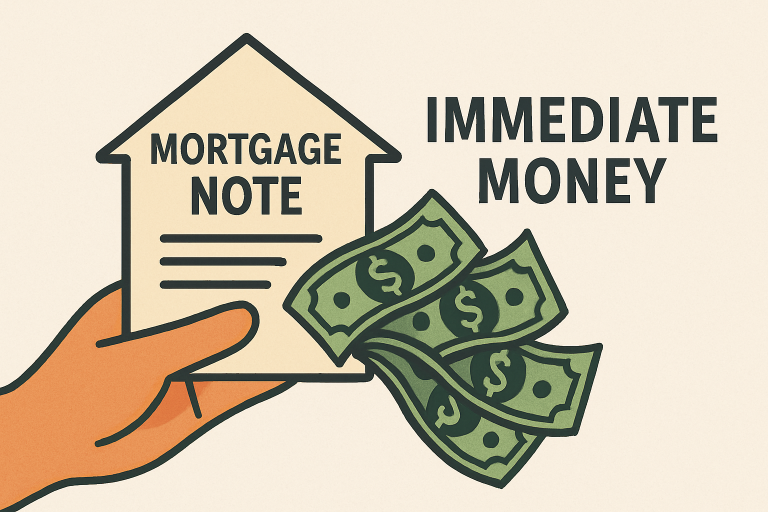
One of the most compelling reasons to sell a mortgage note is the prospect of immediate liquidity. Receiving a lump sum payout transforms a slow, sometimes uncertain trickle of income into a powerful financial tool you can use today. This newfound liquidity is especially valuable if you need to cover unexpected medical costs, pay down debt, make a large purchase, or prepare for upcoming life changes such as retirement or relocation. Additionally, having quick access to cash gives you the flexibility to make bold moves—whether investing in new opportunities, funding home renovations, or acquiring additional real estate. Instead of waiting years for the full value of your note, you can act now when the time is right.
Eliminating Collection Hassles
The administrative side of holding a mortgage note can quickly become burdensome. Owners are responsible for tracking payments, issuing reminders, maintaining records, and even managing late or missed payments. For some, these tasks become more stressful over time, especially if the borrower’s reliability comes into question. By selling your note, you free yourself from these ongoing responsibilities and can focus on pursuits that matter more to you.
Reducing Financial Risk
With fluctuating real estate markets and changing economic conditions, the risk of default or diminishing property values is ever-present for note holders. Late payments, full defaults, or complex foreclosure processes can create significant headaches and even lead to financial loss. Selling your mortgage note allows you to hand off these risks—someone else takes on the uncertainties while you lock in a guaranteed lump sum payment. This move can insulate your future from downturns or borrower instability, creating a more secure financial footing. If you want to dive deeper into the risks and responsibilities of private mortgage note ownership, this Washington Post article offers useful insights for private lenders and sellers.
Capitalizing on Investment Opportunities
Unlocking the equity in your mortgage note means you can reinvest in opportunities with potentially higher returns. Whether it’s real estate with greater appreciation potential, diversified portfolios in the stock market, or even personal business ventures, access to immediate capital lets you act on time-sensitive opportunities. This proactive approach can accelerate wealth building and increase your overall financial resilience, as you’re no longer tied to the rigid structure and timeline of note payments.
Mitigating Default Risk
With any note comes the possibility that the borrower may default, forcing you into the costly and perhaps lengthy process of foreclosure or debt restitution. Especially during periods of economic instability or after sudden life changes for the borrower, default risk can rise sharply. Selling your mortgage note allows you to sidestep this challenge entirely and transfer the risk to the buyer, giving you greater confidence and peace of mind about your financial future.
Preparing to Sell Your Mortgage Note
Gather and Organize Documentation
Before approaching buyers, gather all relevant paperwork. This includes the original promissory note, mortgage or deed of trust, a detailed payment history, and recent correspondence with the borrower. Clear documentation streamlines the sale and helps potential buyers accurately assess the value of your note.
Evaluate the Market Value
The market value of your note is influenced by factors such as principal balance, payment terms, interest rate, remaining payment schedule, and the underlying property’s condition and location. It’s crucial to have a realistic understanding of these elements to negotiate effectively.
Determine Your Sales Approach
Consider if a full or partial sale is the right choice for you. A full sale means you relinquish your entire interest in the note, while a partial sale allows you to retain some future payments or equity. Each option has implications for your future income and risk tolerance.
Select a Trustworthy Buyer
Work only with reputable, experienced mortgage note buyers to ensure a transparent process and fair sale price. Review buyer reviews, licensing, and industry experience to reduce your risk of scams or undervaluation. For more information on evaluating note buyers, check out this guide by Holland & Knight.
Conclusion
When you sell your mortgage note, you gain freedom, financial flexibility, and protection against market or borrower risks. Whether you’re looking for immediate funds, seeking to invest in new ventures, or simply wishing to offload administrative duties, selling your note can be a timely and strategic financial decision. By adequately preparing for the process, researching the market, and working with credible professionals, you can confidently unlock the value in your mortgage note—and make progress toward your long-term financial goals.
Similar Posts:
- Mastering Mortgage Mastery: Unveiling the Dollars and Sense Secrets for Effective Home Loan Payments
- America’s Newest Mortgage Ideas Come With Bigger Risks Than Many Buyers Realize
- How to Secure Good Mortgage Rates for Your Home
- Financial Preparation Tips for First-Time Homebuyers
- Simplify Mortgage Management: How Brokers Help Busy Moms