A Brief Guide to Pest Control Services
Pest control services are an essential aspect of maintaining a healthy and comfortable living environment. These services help in eliminating and preventing the infestation of unwanted critters that could potentially harm the structural integrity of your home or the well-being of your family. Professional pest control provides peace of mind and ensures that your property remains free from the detrimental effects of pests. Below, we explore the essentials of pest control services, how they work, and what you need to consider when seeking these services.
Preparing Your Home for a Pest Control Visit
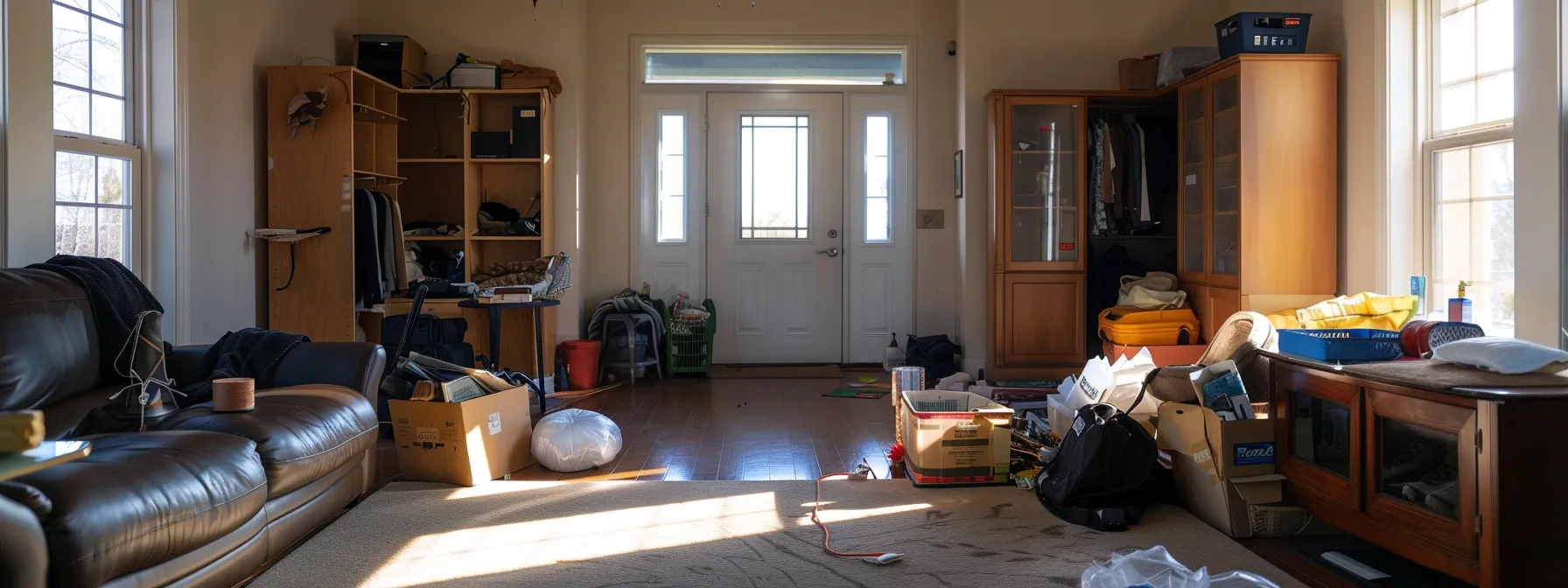
Before you can welcome the experts from a Houston Pest Control into your home, there are several steps you should take to prepare for their visit. First and foremost, cleaning the home can significantly aid the pest control process. This entails removing clutter where pests may hide, vacuuming floors to remove food particles, and cleaning surfaces to allow easy access for the technicians.
It’s also important to store away any food items, cover dishes, and move small appliances, if necessary. Doing so ensures that any treatment applied during the visit does not contaminate food or cooking implements. Additionally, if you have pets, it’s wise to find a safe place for them during the treatment, as some pest control measures may not be pet-friendly.
Access is another crucial factor; ensuring that pest control professionals can get to areas where pests are likely to hide is key. Clearing furniture away from walls, opening closets, and providing access to attics or basements can all help to ensure a more thorough and effective treatment.
Types of Pest Control Methods: Chemical, Biological, and Physical
Pest control methods vary, and the choice of a particular strategy depends on the pest in question, the extent of the infestation, and environmental considerations. Chemical pest control involves the use of pesticides and insecticides that are designed to eliminate pests. While this method is highly effective, it must be handled with care to minimize the risk of exposure to humans and pets.
Biological pest control uses natural predators or pathogens to control pest populations. For example, introducing ladybugs to combat aphid infestations in gardens is a common practice. This method is environmentally friendly and sustainable, but may be slower to take effect compared to chemical options.
Integrated pest management (IPM) combines multiple approaches, including education, habitat modification, and the use of resistant varieties, which are often tied together in a coordinated effort to manage pest populations effectively and responsibly. IPM aims to reduce reliance on chemicals by using a variety of safe and sustainable methods.
Common Pests and How Professional Services Tackle Them

Each region has its common share of pests, ranging from rodents, termites, and cockroaches to specialized species like bed bugs and mosquitoes. Professional services identify the pest species and assess the level of infestation before determining the best approach. Pest-specific strategies are important because different pests require different methods for effective control.
For instance, termites require a comprehensive approach that not only eliminates the existing colony but also prevents future colonies from establishing. This might involve soil treatments, bait systems, and regular inspections to ensure the integrity of the property remains intact. Rodents, on the other hand, might be controlled through trapping, proofing, and sanitation measures.
Professional services are trained to handle not just common pests but also the less common, potentially invasive species that may require specialized knowledge. They stay up-to-date with the latest pest control technologies and regulatory changes to ensure that their methods are both effective and compliant with safety standards.
Selecting a Pest Control Service: What to Look For
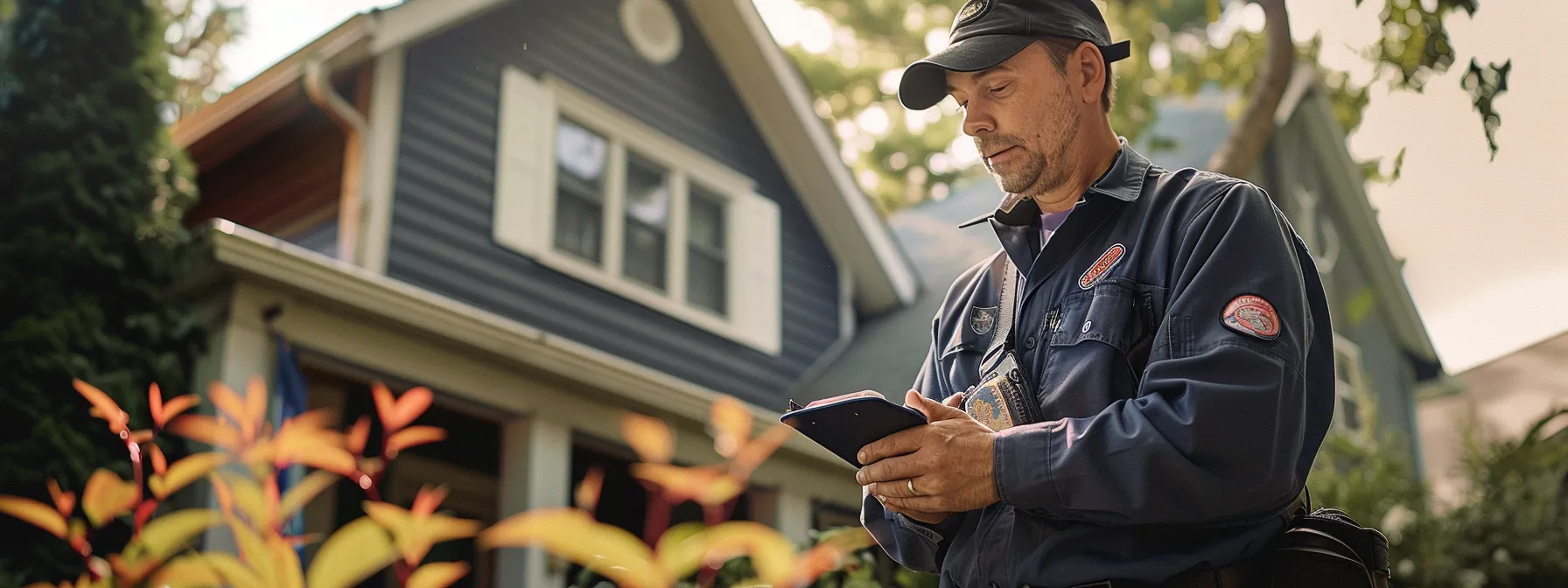
When looking for a pest control service, it’s important to choose one that is experienced and reputable. Check for certifications, licenses, and training that indicate they are qualified to handle pest control safely and effectively. Reading reviews and seeking referrals from friends or neighbors can give you an idea of their reliability and the quality of their services.
Equally important is to select a service that uses environmentally responsible methods and products. Inquire about the type of pesticides they use and whether they offer less toxic options. Understanding the ecological impact of their treatments can help protect your health and that of the surrounding environment.
Overall, understanding the importance of professional pest control and how to prepare for it contributes to creating a safer and more pleasant living space. By being knowledgeable about the practices and responsible methods used by these services, you can effectively protect your home or business from the ravages of pests. Remember to select a trusted service provider, like Houston Pest Control, to ensure your peace of mind and the continued comfort of your environment.