Why Pilates Classes Are Becoming the Go-To Wellness Routine for Busy Women
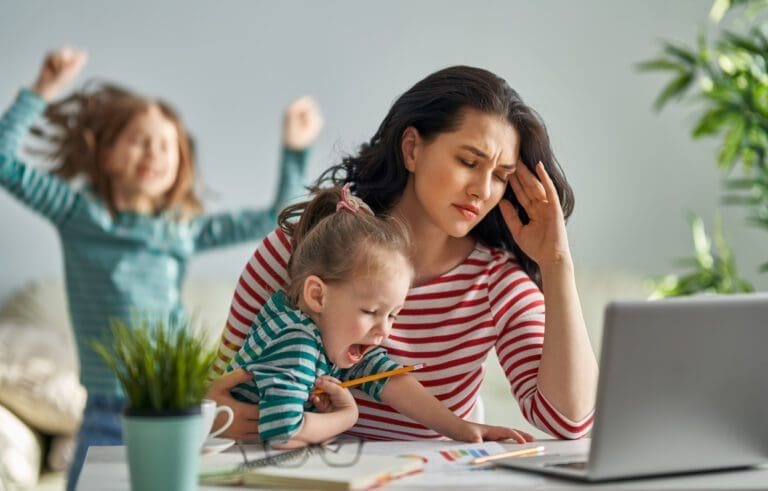
There’s a particular kind of exhaustion that comes with being a busy woman in 2026, not just physical tiredness, but the cumulative weight of doing too many things at too fast a pace for too long. When it comes to exercise, the response to that exhaustion is often all-or-nothing: either a punishing high-intensity routine that depletes an already depleted body, or nothing at all because the bar feels too high to clear.
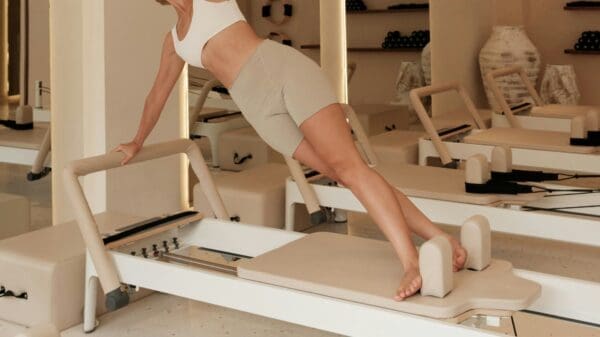
Pilates occupies a different space entirely. It’s demanding enough to produce real results, gentle enough to be sustainable, and structured in a way that leaves people feeling better after a session rather than worse.
It’s no coincidence that it’s become the wellness routine that busy women keep coming back to. Here’s why.
1. It Builds Strength Without Burning You Out
Pilates builds strength through controlled, resistance-based movement without the physical strain of high-impact exercise. It strengthens the core, improves posture, and supports the muscles around the joints.
This makes it especially helpful for women dealing with stress, poor sleep, or hormonal changes, where intense workouts can feel exhausting.
It helps with:
- Better core strength
- Improved posture
- Reduced back discomfort
- Stronger joint support
- Easier everyday movement
With regular practice, the body feels stronger, more balanced, and easier to manage in daily life.
2. It Actually Addresses the Problems Busy Women Face
The physical complaints most commonly reported by busy women, lower back pain, tight hips, poor posture from desk work, shoulder and neck tension, are exactly the issues that Pilates is most effective at addressing. The emphasis on spinal alignment, hip mobility, and the connection between breath and movement targets the specific patterns of tightness and weakness that sedentary and stress-heavy lifestyles create.
According to Healthline, Pilates consistently demonstrates significant improvements in chronic lower back pain, with benefits maintained over follow-up periods. For the large proportion of women dealing with back pain as a chronic feature of daily life, this is a meaningful evidence base for choosing Pilates as a primary movement practice.
3. It Fits Into a Real Life Schedule
One of the reasons many women stay consistent with Pilates is because it works with real schedules, not against them. It does not require long sessions or strict routines to be effective.
A short class before work, a lunchtime session, or an evening workout can all deliver real benefits. This flexibility makes Pilates easier to maintain as part of everyday life.
For women looking for pilates classes that suit their routine, Pilates Live helps make that search easier by offering access to different class styles, instructors, and locations. With a range of options available, it becomes easier to find sessions that align with personal preferences and individual fitness goals. This approach supports long-term commitment without requiring major adjustments to daily habits.
4. The Mental Health Benefits Are Significant
Pilates supports mental wellbeing as much as physical strength. The focus required during each session helps shift attention away from daily stress and creates space for calm, controlled movement.
Breathwork, posture, and mindful movement work together to reduce tension and help the body move out of a constant stress response.
Pilates can support:
- Lower daily stress levels
- Better mood and emotional balance
- Improved sleep quality
- Stronger mind-body connection
- A greater sense of calm and focus
For many busy women, this mental reset becomes one of the most valuable parts of regular practice.
5. It’s Sustainable in a Way That Most Fitness Routines Aren’t
The attrition rate for high-intensity fitness programmes is high, because they rely on motivation levels and physical capacity that fluctuate with the demands of daily life. A programme that works perfectly during a low-stress period often collapses when work intensifies, sleep deteriorates, or life simply gets complicated.
Pilates sustains because the barrier to entry on any given day is lower. A modified session on a tired day is still worthwhile. A shorter session during a busy week maintains the practice. The body isn’t depleted by the workout in a way that creates a cycle of overtraining and recovery.
Women who have tried and abandoned other fitness routines consistently report that Pilates is the first practice they’ve maintained consistently over years rather than months, and the cumulative benefits of that consistency are what produce the most significant results.
Final Thoughts
Pilates has earned its place as the go-to wellness routine for busy women by delivering what most other options don’t, genuine physical benefit, mental restoration, and the kind of sustainable structure that holds up when life is demanding rather than only when it isn’t.
For women looking for a practice they can actually maintain, that produces results they can feel in daily life, and that supports rather than depletes an already stretched system, Pilates is worth taking seriously.