The Importance of Holistic Mental Health and Addiction Treatment

In April 2026, the evolving understanding of mental health and addiction treatment underscores a crucial truth: genuine healing transcends mere symptom management. We now firmly recognize the pervasive impact of trauma on an individual’s entire being—mind, body, and spirit—necessitating a more comprehensive and compassionate approach to care. This shift towards Holistic mental health trauma NJ treatment is not just a trend but a foundational commitment to fostering profound and lasting recovery.
We believe that by nurturing the whole person within a safe, integrated environment, we can address the root causes of distress and empower individuals towards sustainable well-being. This extensive guide will explore the core principles of holistic mental health treatment, detailing how trauma-informed care is woven into every aspect of healing. We will also delve into the critical roles of Adverse Childhood Experiences (ACEs) and the transformative power of Positive Childhood Experiences (PCEs) across New Jersey, alongside the specific initiatives, services, and resources available to support integrated recovery models throughout the state.

The Core Principles of Holistic Mental Health Treatment
Holistic mental health treatment, especially when trauma-informed, operates on a set of foundational principles that prioritize the individual’s safety, dignity, and empowerment. These principles guide every interaction and decision, ensuring that care is not just effective but also deeply respectful and healing. At its heart, this approach recognizes that trauma can affect every facet of a person’s life, and therefore, healing must also encompass the whole person.

The Substance Abuse and Mental Health Services Administration (SAMHSA) outlines key principles that form the bedrock of trauma-informed care, which are intrinsically linked to holistic treatment. These include:
- Safety: Ensuring physical and emotional safety for everyone involved, both clients and staff. This means creating environments where individuals feel secure and protected from re-traumatization.
- Trustworthiness and Transparency: Building trust through clear, consistent communication and maintaining appropriate boundaries. This fosters a sense of predictability and reliability.
- Peer Support: Integrating individuals with lived experience into the healing process, offering valuable empathy, validation, and hope.
- Collaboration and Mutuality: Recognizing that healing is a partnership between the client and the care team. Decisions are made collaboratively, respecting the client’s expertise in their own life.
- Empowerment, Voice, and Choice: Prioritizing individual autonomy and providing opportunities for clients to make informed decisions about their care, fostering a sense of control and self-efficacy.
- Cultural, Historical, and Gender Issues: Actively acknowledging and addressing the unique cultural, historical, and gender-specific contexts that influence an individual’s experience of trauma and healing.
Our commitment to a strengths-first approach means we focus on an individual’s inherent resilience and capabilities, rather than solely on their deficits. This involves fostering individual agency, providing non-judgmental support, and utilizing person-centered language that respects and validates each person’s journey. Physical safety protocols are meticulously implemented, and strategies for emotional regulation are integrated into treatment plans, empowering individuals to manage their responses effectively. This comprehensive approach to mental wellness and addiction recovery is what defines effective Holistic mental health trauma NJ programs, aiming to provide comprehensive support for individuals seeking profound healing.
Integrating Trauma-Informed Care into Holistic Mental Health Treatment
Integrating trauma-informed care into a holistic framework means that every aspect of treatment is filtered through an understanding of trauma’s widespread impact. This goes beyond simply asking about past trauma; it involves a systemic shift in how services are designed and delivered. SAMHSA emphasizes three core elements: realizing the prevalence of trauma, recognizing its effects on all individuals (including staff), and responding by putting this knowledge into practice.
A primary goal is re-traumatization prevention. This means carefully designing clinical assessments and therapeutic environments to avoid triggering past traumatic experiences. Healing-centered engagement, a concept that builds upon trauma-informed care, shifts the focus from “what’s wrong with you?” to “what happened to you?” and “what’s right with you?”, fostering an environment of growth and possibility.
We also recognize the critical importance of addressing secondary trauma and vicarious traumatization among care providers. Our research shows that core curriculum training, such as “Trauma 101,” can lead to increases of up to 22 percent in staff’s self-efficacy or confidence to integrate trauma-informed care into their day-to-day work. This highlights the need for ongoing support and training for our dedicated teams. In the last year, for example, CAI delivered 26 trainings to nearly 700 participants across the state, demonstrating a strong commitment to equipping professionals with the necessary skills.
Identifying the signs and symptoms of trauma is crucial for providing appropriate and effective care. Trauma manifests differently in each individual, but common indicators can be grouped into emotional, behavioral, cognitive, and physical categories. In clinical settings, we look for:
- Emotional Symptoms: Persistent fear, anxiety, anger, sadness, shame, guilt, emotional numbing, or difficulty experiencing positive emotions.
- Behavioral Symptoms: Avoidance of reminders of the trauma, social withdrawal, impulsivity, aggression, self-harm, or substance use as a coping mechanism.
- Cognitive Symptoms: Intrusive thoughts or flashbacks, difficulty concentrating, memory impairment (e.g., fragmented memories of the event), negative beliefs about oneself or the world, or cognitive distortions.
- Physical Symptoms: Chronic fatigue, headaches, digestive issues, muscle tension, sleep disturbances (insomnia, nightmares), hypervigilance (being constantly on guard), or an exaggerated startle response.
These symptoms often indicate an individual’s nervous system is stuck in a state of hyperarousal or hypoarousal, making daily functioning challenging. Recognizing these signs allows us to tailor interventions that address the underlying trauma, rather than just the surface-level behaviors.
Addressing Complex Conditions: Schizophrenia and Depression Treatment
For individuals grappling with complex conditions such as schizophrenia and severe depression, a trauma-informed, holistic approach is particularly vital. These conditions often co-occur with histories of trauma, and untreated trauma can exacerbate symptoms, complicate recovery, and increase the likelihood of psychiatric emergencies. Our specialized clinical wing provides a secure and therapeutic environment designed to support individuals through crisis intervention and long-term stabilization.
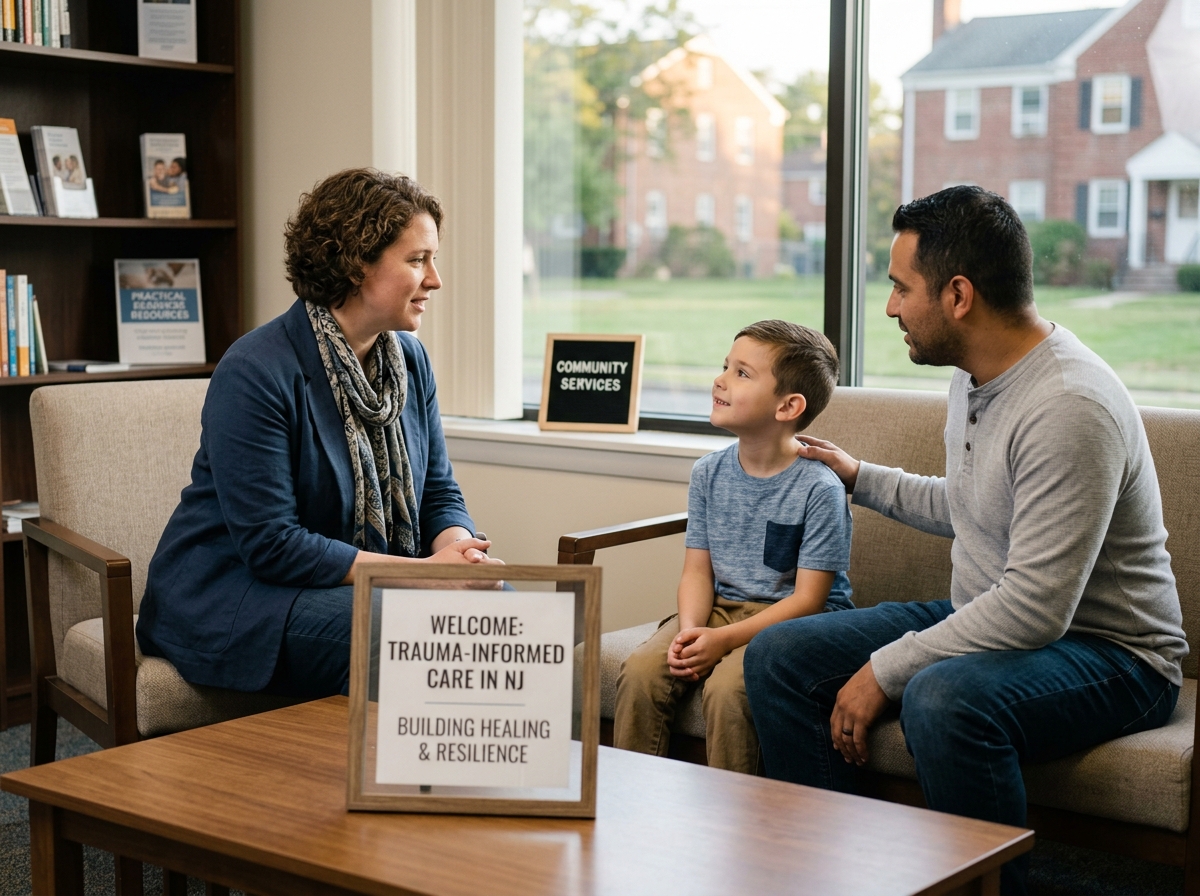
Treatment for these conditions integrates medication management, which addresses the neurobiological impact of mental illness, with comprehensive therapeutic interventions. The goal is not just symptom management, but functional recovery that empowers individuals to lead fulfilling lives. We understand the financial considerations involved in seeking specialized care. As an out-of-network provider, we accept PPO plans, working to ensure that quality, trauma-informed treatment is accessible to those who need it. Our facilities, located in areas like Matawan, NJ, are equipped to provide intensive, individualized care for Monmouth County residents and beyond, focusing on both immediate stabilization and sustainable wellness.
The Role of Group Therapy in Holistic Mental Health Treatment
Group therapy plays an indispensable role in holistic mental health and addiction treatment, particularly within a trauma-informed framework. It offers a unique environment for healing that individual therapy alone cannot always provide.
In group settings, individuals find powerful peer support, realizing they are not alone in their struggles. Sharing experiences with others who have faced similar challenges fosters a sense of belonging and reduces isolation, which is often a profound consequence of trauma. This shared experience cultivates a therapeutic community where empathy and understanding flourish.
Group cohesion allows for interpersonal learning, where members can practice new coping skills, receive constructive feedback, and develop healthier communication patterns in a safe, structured environment. Restorative practices and social-emotional learning are naturally integrated as individuals learn to navigate relationships, resolve conflicts, and build collective resilience. This process is deeply empowering, helping individuals rebuild trust and connection, essential components of long-term recovery from trauma and addiction.
Specialized Modalities for PTSD and Substance Use Recovery
Effective recovery from PTSD and substance use often requires a multi-faceted approach utilizing specialized therapeutic modalities. Our holistic programs integrate several evidence-based treatments designed to address the complex interplay of trauma and addiction:
- EMDR (Eye Movement Desensitization and Reprocessing): A structured therapy that helps individuals process distressing memories and reduce their emotional impact.
- Somatic Therapy: Focuses on the body’s physical sensations to release stored trauma, recognizing the profound mind-body connection in healing.
- Art Therapy: Provides a non-verbal outlet for expression, allowing individuals to process difficult emotions and experiences creatively.
- Cognitive Processing Therapy (CPT): Helps individuals challenge and change unhelpful beliefs related to their trauma.
- Dialectical Behavior Therapy (DBT): Equips individuals with skills for emotional regulation, distress tolerance, interpersonal effectiveness, and mindfulness.
- Light Therapy: Can be beneficial for individuals experiencing PTSD symptoms accompanied by depressive symptoms, helping to regulate mood and sleep patterns.
- Occupational Therapy: Helps individuals regain daily living skills and manage triggers in their environment, promoting functional independence.
- Mindfulness-Based Stress Reduction: Teaches techniques to increase present-moment awareness, reduce stress, and improve emotional regulation.
These modalities, often used in combination, are crucial for addressing dual diagnosis, where substance use has become a coping mechanism for unresolved trauma. By targeting both conditions simultaneously, we pave the way for more comprehensive and sustainable recovery.

Understanding the Impact of ACEs and the Power of PCEs in New Jersey
In New Jersey, there’s a growing recognition of the profound impact of Adverse Childhood Experiences (ACEs) on lifelong health and well-being. ACEs are potentially traumatic events that occur before age 18, such as abuse, neglect, household dysfunction (e.g., parental substance use, mental illness, incarceration, divorce). Research consistently shows a strong correlation between a higher number of ACEs and increased risks for chronic health problems, mental illness, substance use disorders, and reduced life opportunities. This understanding is driving significant initiatives across the state.
However, the narrative isn’t just about adversity. New Jersey is also focusing on the power of Positive Childhood Experiences (PCEs). PCEs—such as feeling safe and supported by family, having caring mentors, participating in community traditions, and having access to mental health support—act as powerful protective factors. They can buffer the negative effects of ACEs, fostering resilience and promoting healthy development.
Organizations like the NJ Department of Children and Families (DCF) and the NJ Department of Human Services (DHS) are at the forefront of this work, promoting awareness and implementing strategies to mitigate ACEs and foster PCEs. The DREAMS Program, a partnership with the NJDCF, provides school districts with trauma-informed and healing-centered training and resources, including the Nurtured Heart Approach. Statewide initiatives like “Actions 4 ACEs” are dedicated to building awareness about ACEs and highlighting the crucial role adults play in helping impacted children heal. Addressing intergenerational trauma and building community resilience are central to these efforts, aiming to create environments where all New Jerseyans can thrive.

Implementing Healing-Centered Practices Across New Jersey Systems
New Jersey is actively transforming its systems to adopt healing-centered practices, moving beyond merely being trauma-informed to actively fostering environments that promote growth and well-being. This systemic shift is evident across various sectors, particularly within schools and community services.
One notable initiative is the Handle with Care NJ program, stemming from Attorney General Directive No. 2020-09. This program enhances communication between law enforcement and schools, ensuring that when a child has been exposed to a traumatic event, the school is notified so they can provide appropriate support without needing to know the specific details of the incident. This simple yet powerful intervention helps schools respond with compassion rather than discipline.
The NJ Traumatic Loss Coalitions (TLC), a vital resource, provides consultation and support to schools following traumatic loss events. They offer resources for mental health needs, assist in community impact assessment, and co-facilitate Psychological First Aid (PFA), demonstrating a proactive approach to crisis response.
School-based mental health is being strengthened through the NJ Tiered Systems of Support (NJTSS), which integrates trauma-informed practices into a comprehensive framework for student success. Professional development and staff training are paramount to this transformation. As noted, in the last year, 26 trainings reached nearly 700 participants across the state, leading to a 22 percent increase in staff’s self-efficacy in integrating trauma-informed care.
Organizations seeking to assess and improve their trauma-informed practices can utilize tools like the TRUST 2.0 assessment, which helps identify practical ways to promote inclusive, healing-centered practices in the workplace. Furthermore, the Artic Scale, one of the first psychometrically valid measures for Attitudes Related to Trauma-Informed Care, helps gauge an organization’s readiness and commitment. While the Missouri Model is a broader framework, New Jersey’s efforts align with its principles of systemic change, focusing on creating environments where everyone feels safe, connected, and empowered to heal.

Accessing Trauma-Informed Care and Support Resources in NJ
Navigating mental health services can be challenging, but New Jersey offers a robust network of resources for individuals and families seeking trauma-informed care and support. Whether in crisis or looking for long-term therapeutic solutions, help is available.
For immediate assistance, several vital hotlines operate 24/7:
- NJ Suicide Prevention Hopeline: 1-855-654-6735
- 2nd Floor Youth Hotline: 1-888-222-2228 (Call or Text, for youth aged 10-24)
- NJ 211: Dial 211 or 1-877-652-1148 (24-hour information line for NJ State & Community Services & Resources; text, email, and chat options available)
- Office of Advocacy (NJ Department of Children & Families): 1-877-543-7864 (Helpline for parents, caregivers, and service providers with questions regarding child safety and well-being, Mon-Fri 8:30 am – 4:30 pm)
For professionals seeking to enhance their trauma-informed skills, the Rutgers School of Social Work offers a Certificate Program in Trauma Response and Crisis Intervention, with individual workshop options available. Additionally, the TF-CBTWeb is a 10-hour web-based course for professionals seeking Trauma-Focused Cognitive-Behavioral Therapy certification, a collaborative project involving leading research centers.
Beyond crisis lines and professional development, community-based referrals are available through various local mental health agencies and non-profits. Many organizations offer family support services, recognizing that trauma often impacts entire family systems. These resources collectively ensure that individuals and families across New Jersey can access the compassionate, trauma-informed care they deserve.
Frequently Asked Questions about Holistic Mental Health Treatment
How does holistic mental health treatment differ from traditional therapy?
Traditional therapy often focuses on diagnosing and treating specific symptoms or disorders in isolation, using a more problem-focused lens. In contrast, holistic mental health treatment addresses the whole person—integrating physical, emotional, social, and spiritual well-being—while explicitly acknowledging the pervasive impact of trauma on behavior and recovery. This approach seeks to understand the root causes of distress, not just manage symptoms, and empowers individuals as active participants in their healing journey.
What are the primary benefits of trauma-informed care for those with co-occurring disorders?
For individuals with co-occurring mental health and substance use disorders, trauma-informed care offers significant benefits. It fundamentally reduces the risk of re-traumatization during treatment by creating a safe, predictable, and empowering environment. This fosters a stronger therapeutic alliance, as clients feel understood and respected. Crucially, trauma-informed care addresses the root causes of substance use, recognizing that addiction often serves as a coping mechanism for unresolved trauma. By processing underlying trauma in a supportive setting, individuals can develop healthier coping strategies, leading to more sustainable recovery and improved overall well-being.
How are New Jersey schools and organizations becoming more trauma-informed?
New Jersey is making significant strides in integrating trauma-informed practices across its systems. Organizations utilize tools like the TRUST 2.0 assessment to evaluate and improve their workplace culture, promoting healing-centered practices. The DREAMS program, supported by the NJ Department of Children and Families, provides schools with specialized training and resources. Schools implement “Handle with Care” protocols, ensuring that when law enforcement encounters a child exposed to trauma, the school is notified to offer support rather than resorting to punitive measures. Additionally, restorative practices are being adopted, shifting disciplinary approaches towards understanding and repairing harm. These initiatives ensure that educators and administrators are trained to recognize and respond to student trauma with compassion, fostering supportive and resilient learning environments.
Conclusion
As we look ahead to April 2026, the landscape of mental health and addiction treatment in New Jersey is increasingly defined by healing-centered engagement. This paradigm shift represents a profound commitment to systemic change, recognizing that true recovery is a journey of empowerment, not just symptom eradication. By embracing integrated care models that prioritize safety, collaboration, and individual agency, we are fostering environments where resilience can flourish.
Our collective efforts in New Jersey, from state-level initiatives to community-based programs and specialized therapeutic modalities, are building a stronger, more compassionate framework for mental wellness. We believe that by understanding trauma’s pervasive impact and nurturing the whole person, we are not only facilitating long-term recovery for individuals but also contributing to the overall health and vitality of our communities. The ongoing dedication to cultural competence and sustainable wellness ensures that every New Jerseyan has the opportunity to heal, grow, and thrive.