The Future of Parking Management: Key Trends Shaping Efficiency, Sustainability, and Experience
As urban environments grow more complex, parking management continues to adapt with new technology and customer-focused strategies. The industry is seeing rapid innovation aimed at enhancing efficiency, making operations greener, and raising the bar for user satisfaction. Forward-looking solutions from trusted partners like Cultivar Services are making it easier for cities and businesses to strike the right balance between convenience and sustainability.
Today’s drivers expect an effortless parking experience, and managers are embracing cutting-edge approaches to meet these evolving expectations. These shifts not only streamline day-to-day processes but also help future-proof facilities against the rising demands of modern urban life.
Below, we explore the major trends redefining parking management, highlighting how technology, sustainability goals, and a new focus on the customer journey are shaping the future of parking in cities worldwide.
Smart Parking Solutions
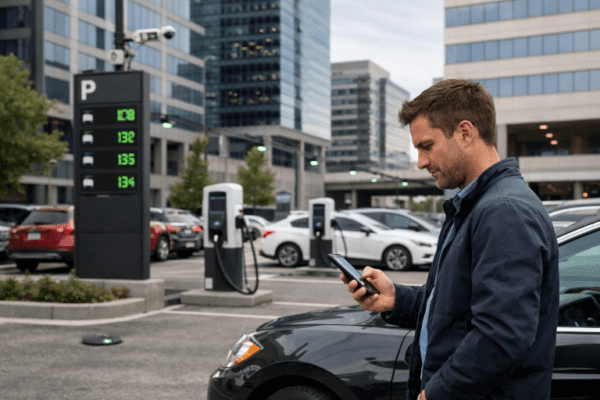
Innovative smart parking systems utilize networks of sensors, cameras, and data analytics to enable seamless monitoring and precise management of spaces. These solutions provide instant information about parking availability via mobile applications, so drivers spend less time searching and contribute less to city congestion. As a result, not only is the parking process faster and less stressful, but there is also a measurable benefit to urban traffic patterns. Advanced reservations further contribute to user convenience, marking a significant departure from the traditional parking experience.
Contactless Payment Systems
The recent shift toward contactless payment continues to gain momentum in the parking sector. Powered by mobile apps and digital wallets, these systems enable drivers to complete fast, secure transactions without cash or physical touchpoints. Not only do contactless payments make parking safer and easier, but they also empower operators to reduce queues, minimize resource needs, and track payment activity in real time. As consumer preferences shift toward digital convenience, the integration of such technology is quickly becoming an industry standard, as seen in CNBC news coverage.
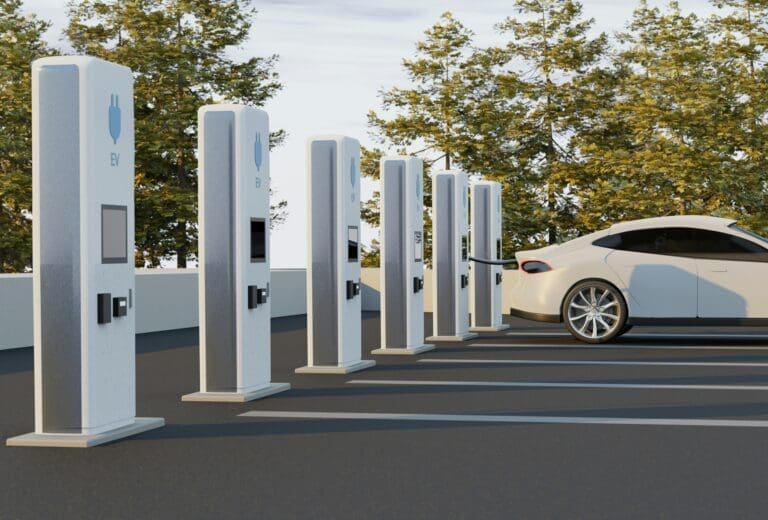
Integration of Electric Vehicle (EV) Charging Stations
The adoption of electric vehicles is surging, prompting parking managers to add dedicated charging stations in more facilities. This effort is critical as many cities adopt sustainability mandates and EV ownership becomes more mainstream. Equipped parking areas not only support EV users but also underline a facility’s commitment to environmental stewardship. As more drivers transition to electric, facilities offering reliable charging infrastructure will be best positioned to attract and retain a wider range of customers.
Data Analytics for Operational Efficiency
Modern parking operations increasingly rely on robust data analytics. By analyzing occupancy levels, user behavior, and peak times, managers can make strategic decisions about staffing, pricing, and promotions. Dynamic pricing models that adjust costs in real time based on demand enable maximum revenue capture and better space utilization. Beyond revenue management, data-driven insights help predict trends, identify opportunities for process improvement, and enhance the overall customer experience.
Autonomous Valet Parking (AVP)
Autonomous valet parking is an emerging technology that enables vehicles to drop off passengers and then self-park in spaces further from key destinations. Because these systems do not rely on walking access, they allow parking lots to be denser and located in otherwise underutilized locations. This not only maximizes space efficiency but also minimizes the visual and spatial impact of parking in prime urban areas. The continuing advancement of AVP is expected to significantly alter the layout of future developments and the way urban planners approach parking requirements.
Mobility-as-a-Service (MaaS) Integration
Mobility-as-a-Service platforms are transforming urban travel by integrating parking into broader transportation ecosystems. Users can plan and pay for their journey, including ride-hailing, bicycles, transit, and parking, all within a single interface. This creates a smooth end-to-end experience that encourages the use of multi-modal transportation. As MaaS adoption grows, the ability to reserve and pay for parking within these networks will become a must-have feature for many city dwellers and visitors.
Sustainability Initiatives
An increasing focus on sustainability is driving parking operators to adopt green building materials, install solar panels, and encourage EV use. Eco-friendly design not only reduces operational costs over time but also helps cities and businesses meet regulatory requirements and corporate social responsibility goals. Facilities that can demonstrate their commitment to sustainability are more likely to win the trust of today’s environmentally conscious customers.
Enhanced Customer Experience
At the heart of all these changes is a commitment to improving the customer journey. Real-time parking availability updates, intuitive payment methods, and personalized recommendations are making parking more responsive to individual needs. By keeping users informed and streamlining every stage of the process, facilities can foster loyalty and encourage repeat visits. The move to prioritize customer service will distinguish premium operators in an industry where convenience is increasingly king.
In summary, the future of parking management is being shaped by rapid technological innovation, new approaches to sustainability, and an unwavering focus on customer experience. As these trends continue to evolve, operators who embrace change stand to gain operational advantages and create parking solutions that are smarter, greener, and more aligned with the needs of modern urban life.