Emerging Trends in Luxury Real Estate: Navigating the Future Market

Staying ahead of the curve in the luxury real estate sector has never been more crucial, as the landscape is evolving faster than ever. With market dynamics continuously shifting due to technological progress, economic fluctuations, and changing consumer expectations, understanding what drives high-end buyers and sellers can give a decisive edge. Today’s sophisticated buyers are more selective, valuing factors like privacy, wellness, and exclusivity just as highly as aesthetics and prime location. Whether you’re searching for an ultra-modern penthouse overlooking the city skyline or a secluded, eco-conscious estate with every imaginable amenity, new trends like technology integration, wellness-focused layouts, and sustainability are now shaping what qualifies as luxury. For example, Virginia Beach, VA real estate agent Reamie Joy Tabin exemplifies the personalized, tech-driven approach that modern clients seek, combining expert-level market intelligence with insight-driven, forward-thinking client experiences.
Luxury real estate today is less about extravagance for its own sake and more about a unique blend of customization, environmental responsibility, and seamless remote transactions that nurture genuine value for high-net-worth individuals. As affluent buyers become more discerning, developers and agents are under pressure to offer services and features that go far beyond traditional expectations of opulence and grandeur. The rise of market globalization, the proliferation of digital transaction solutions, and the ongoing shift toward data-driven strategies are now redefining luxury at every level, requiring buyers, sellers, and agents alike to adapt quickly to stay competitive and relevant. Virtual tours, analytics, and eco-consultations have become part of the luxury toolkit, changing the game for everyone involved.
Technology Integration in Property Showcases
Technological advancements have dramatically shifted how luxury properties are marketed and displayed, transforming the client experience and boosting engagement. High-definition virtual tours, sophisticated drone photography, and interactive 3D floor plans have empowered agents to showcase every detail of a property, making it easy for buyers around the world to view homes as if they were walking through them in person. Features like mobile-optimized property platforms, AI-powered recommendations, and augmented reality property staging enable buyers to visualize custom renovations and changes. Through these innovations, luxury real estate listings can extend their reach well beyond local markets, attracting discerning international clients who value convenience, exclusivity, and digital accessibility. According to Forbes, high-end property buyers now expect immersive digital experiences as a baseline, not a bonus, when evaluating potential purchases. Technology is fundamentally changing the way buyers interact with listings from the very first inquiry to the final decision, increasing transparency and excitement in the process.
Sustainable Design and Eco-Friendly Features
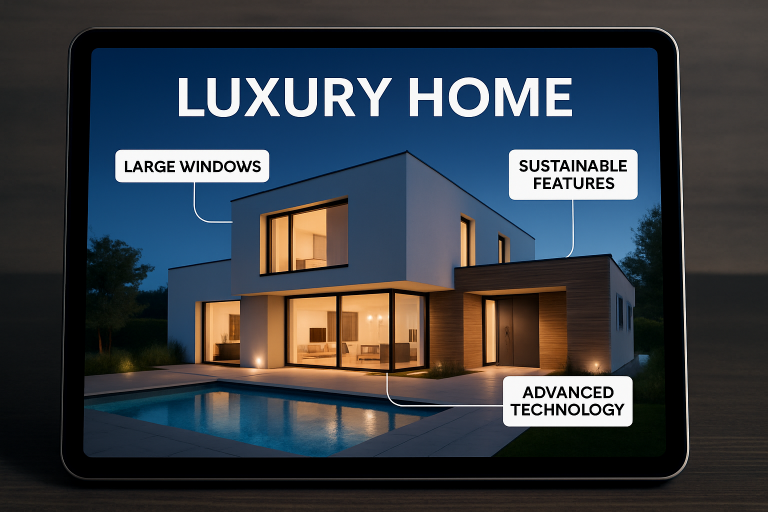
Sustainability is no longer a trend—it’s become a standard and a statement of lifestyle values for luxury homeowners. Eco-friendly features are now prime differentiators for premier properties, with buyers increasingly seeking homes that minimize their carbon footprint without compromising sophistication or comfort. Solar panels, geothermal heating and cooling, rainwater harvesting systems, and advanced energy management solutions are now common, as are sustainably sourced building materials. Certifications such as LEED (Leadership in Energy and Environmental Design) and the use of recycled or local materials are particularly appealing to eco-conscious affluent clients. Large, energy-efficient windows, green roofs, and smart irrigation systems further contribute to an environmentally responsible home. The Forbes reports that the demand for green-certified luxury homes has grown significantly, reflecting a broader cultural shift toward sustainable living and responsible investment. More than simply marketing eco-credentials, luxury agents and developers are now designing entire communities around energy responsibility, health, and self-sufficiency—for instance, integrating access to private organic gardens and wellness spas that use only green-certified products.
Personalized Client Experiences
Affluent clients today demand more than just access to exceptional properties—they expect deeply tailored, white-glove service that reflects their personal tastes, aspirations, and lifestyle needs. Creating these personalized journey experiences is an art form, one that increasingly leverages sophisticated data analytics to anticipate client preferences, match them with the right homes, and streamline each step of the process. Agents who excel in this arena not only curate property lists with laser precision but also offer bespoke services, including private viewings, tailored negotiation strategies, and recommendations for top architects, designers, and financial advisors. This heightened level of personalization—sometimes extending into after-sales support—boosts client satisfaction, increases the likelihood of repeat business, and helps build enduring relationships. Trust and rapport are especially essential in high-value sales, where privacy, discretion, and attention to detail reign supreme. Personalized experiences, when executed well, are the foundation for referrals and long-term partnerships in the competitive world of luxury real estate.
Market Globalization and International Buyers
Globalization has expanded both the pool of luxury buyers and the range of desirable locations, changing the scope of what it means to be a luxury agent. International clients, especially from emerging markets or countries with unstable economies, are seeking prestigious real estate in major financial hubs, vibrant cultural centers, and exclusive resort destinations worldwide. This trend requires agents and developers to be adept at navigating not only diverse cultural expectations and business etiquette but also complex legal frameworks, tax codes, and multi-currency transactions. Building strong global networks, mastering multilingual marketing strategies, and staying ahead of international market trends are vital for thriving in this interconnected landscape. Successful cross-border deals often hinge on trust, seamless communication, and the ability to anticipate regulatory hurdles, from foreign investment rules to visa requirements. Being globally minded is no longer an advantage—it is a necessity for growth in contemporary luxury real estate.
Data-Driven Decision Making
The rise of big data and analytics has ushered in a new era for luxury real estate, empowering professionals to make more informed, strategic decisions. By studying a wealth of data—from real-time market trends and buyer demographics to neighborhood analytics and historic price movements—agents and developers can tailor marketing campaigns, optimize pricing, and target ads with pinpoint accuracy. This move away from intuition-based decision-making allows for smarter, risk-mitigated strategies that yield better outcomes for sellers and buyers alike. Predictive analytics and AI-powered insights are increasingly used to anticipate shifts in buyer demand, refine investment portfolios, and even identify emerging hot spots before they become mainstream. Data-driven operations are revolutionizing everything from property selection to negotiation, pointing toward a future where digital insights at every turn support high-stakes transactions.
Virtual Reality Tours and Remote Transactions
Virtual reality (VR) continues to redefine the luxury home-buying journey, offering immersive, interactive tours that cross geographical and logistical barriers. With cutting-edge VR technology, overseas buyers or busy professionals can “walk through” a mansion or penthouse without ever setting foot on the property, exploring finishes, layouts, and views in real time. These experiences enable confident purchasing decisions from anywhere in the world, revolutionizing how international deals are conducted. When coupled with secure digital transaction platforms, VR streamlines the entire acquisition process, enabling verified contracts, seamless communication, and fast, transparent payment flows. This increases convenience for all parties involved and accelerates deal timelines. As buyer expectations continue to evolve, remote tours and e-closures are quickly becoming industry norms, making luxury real estate more accessible and efficient than ever before.
Conclusion
The luxury real estate market stands at the forefront of innovation, sustainability, and personalized service, driven by a new generation of buyers with evolving values and heightened expectations. By embracing these emerging trends, industry professionals and clients can not only exceed current standards but also future-proof their investments and careers in an ever-changing landscape. Staying attuned to digital innovations, eco-friendly advancements, and personalization strategies places buyers and sellers in the best possible position to benefit from the new era of luxury living. For those willing to adapt, the opportunities in luxury real estate are more dynamic and exciting than ever before.