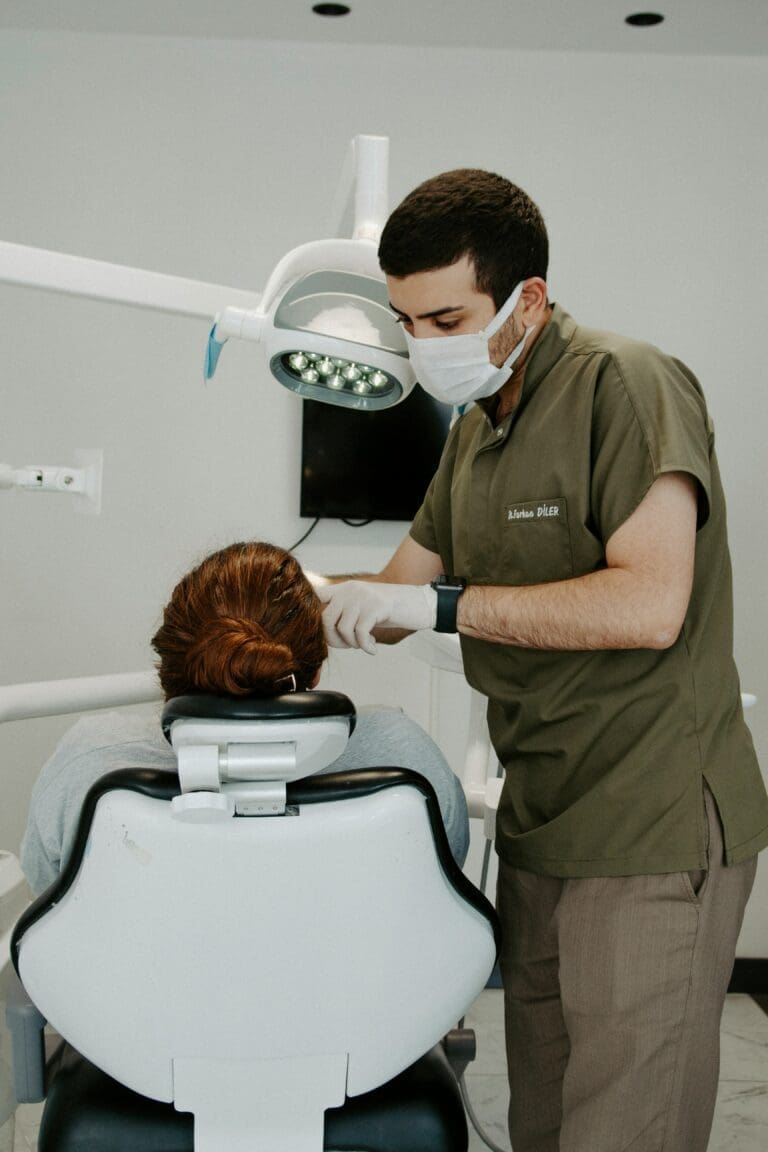
Why Emergency Care Within Family Dentistry Provides Peace Of Mind

You might be reading this with a knot in your stomach, thinking about that toothache that came out of nowhere last night, the chipped front tooth your child got at soccer, or the crown that suddenly popped off during dinner and wondering if you need a dentist in Southwest Portland, OR. Before it happened, teeth were something you barely thought about. After it happened, it felt like the only thing you could think about.end
That shift is jarring. Pain wakes you up at 2 a.m. You wonder if you should go to the emergency room, search online, or just try to “tough it out.” You might worry about the cost, the wait times, or whether anyone will even pick up the phone. Underneath all of that is a simple fear. You do not want things to get worse, and you want to protect your family.
Emergency care within family dentistry exists to bridge exactly that gap. It gives you a trusted place to turn when things feel urgent. Instead of guessing in the middle of the night, you have a plan. Instead of panicking, you have a path. That is where the real peace of mind begins.
Why do dental emergencies feel so overwhelming for families?
Dental emergencies are rarely just about teeth. They are about timing, money, fear, and the people you love most. A broken tooth on a busy workday means missed meetings. A throbbing molar on a weekend means rearranging plans. A crying child with a knocked-out tooth can make even the calmest parent feel helpless.
Part of the stress comes from not knowing what “counts” as an emergency. Is it okay to wait until Monday, or could waiting cause permanent damage. The American Dental Association offers helpful guidance on common dental emergencies and what to do right away, but in the moment, it can still feel like guesswork.
There is also the emotional side. Teeth are tied to how we eat, speak, and smile. When something goes wrong, it can feel personal and embarrassing. You might worry about judgment, or about hearing that you “should have come in sooner.” That worry alone can keep people from calling.
So where does that leave you when something suddenly hurts or breaks.
What happens when you rely on urgent care or the ER instead of a family dentist?
Many people end up in the emergency room or urgent care when they have dental pain, simply because they do not know where else to go. Studies show that emergency departments see a large number of visits for tooth-related problems, yet they usually cannot provide full dental treatment. They can offer pain relief or antibiotics, but they often cannot fix the underlying cause. The American Dental Association has highlighted how emergency room referrals for dental issues are common, even though a dentist is usually better equipped to help.
Because of this, families can get stuck in a cycle. Pain starts. They go to the ER. They get medication. The pain fades, then comes roaring back weeks later because the tooth was never treated. Each visit costs money, time, and emotional energy, and the problem quietly grows in the background.
A dedicated emergency family dental care plan changes that pattern. Your family dentist knows your history, your child’s anxiety, your past dental work, and your budget. When something urgent happens, you are not a stranger in a waiting room. You are a known patient with a record, a relationship, and a team that already understands your story.
Emergency care within a family dentist’s office can often handle the issue right away or at least stabilize it. That might mean smoothing a sharp edge, re-cementing a crown, starting a root canal, or giving clear instructions to manage pain at home until a full appointment. The goal is not only to stop the immediate discomfort. It is to protect your long-term oral health and avoid bigger problems later.
How do you know what truly needs emergency dental care?
It can help to think in “what if” scenarios. What if your child falls and knocks out a permanent tooth. That is a true emergency. Getting to a dentist within an hour can sometimes save the tooth. What if you wake up with facial swelling and severe pain. That could be an infection, which can spread if it is ignored. A dentist can assess and treat it before it becomes dangerous.
On the other hand, what if a small filling falls out, but you have no pain. That might be urgent, but not “rush to the office right now” urgent. A family dentist who offers urgent care can tell you when to come in immediately and when it is safe to schedule the next available appointment.
Clinical resources, like this review on the emergency management of dental conditions, show that timely treatment can prevent complications, reduce the need for extractions, and lower the overall cost of care for families. The earlier you address a problem, the fewer surprises you face later.
Emergency room or family dentist: what actually gives more peace of mind?
When you are in pain, you want the fastest option. Yet the fastest door is not always the one that brings lasting relief. Comparing your choices can make decisions clearer in the moment.
| SITUATION | EMERGENCY ROOM / URGENT CARE | FAMILY DENTIST WITH EMERGENCY CARE |
| Typical outcome for dental pain | Pain meds and sometimes antibiotics. Underlying tooth problem often remains. | Diagnosis plus treatment or stabilizing care. Focus on fixing the cause, not just pain. |
| Ability to perform dental procedures | Very limited. Usually no fillings, root canals, or extractions unless severe trauma. | Full range of dental procedures or temporary fixes until full treatment. |
| Cost over time | Multiple visits can add up. Problem may return, leading to repeat bills. | One focused visit often reduces repeat emergencies and long-term costs. |
| Emotional comfort | Unfamiliar setting, long waits, staff not specialized in dental issues. | Known team, familiar office, staff trained to calm anxious kids and adults. |
| Follow-up care | Referral out to a dentist. You must coordinate the next steps. | Built-in follow-up plan. Same office tracks healing and completes treatment. |
When you step back and look at the whole picture, it becomes clear why having emergency care within a family dentist you trust feels so different. It is not only about the procedure. It is about having one place that carries you from crisis to recovery.
What can you do right now to prepare your family for dental emergencies?
You cannot predict every chipped tooth or sudden ache, yet you can remove a lot of the fear by preparing a bit in advance. A simple plan can turn panic into “we know what to do next.”
1. Create a simple emergency dental plan for your household
Write down the name, phone number, and after-hours instructions for your regular dentist. If your dentist offers urgent family dental treatment, note what qualifies as an emergency and how to reach them outside normal hours. Keep this information on your fridge, in your phone, and in your child’s school or daycare file if possible.
Include basic steps for common problems. For example, if a permanent tooth is knocked out, gently rinse it, keep it moist in milk or in the cheek, and call your dentist immediately. If a crown comes off, keep it in a clean container and avoid chewing on that side until you are seen. These small actions can make a big difference.
2. Talk with your dentist about emergency options before you need them
During your next routine visit, ask clear questions. Do you offer same-day emergency appointments. What should I do if something happens at night or on a weekend. Is there a number to call for urgent advice. How quickly can you usually see a child in pain.
Having this conversation when nobody is hurting feels much easier. You get honest answers, and you walk away with realistic expectations. You also signal to your dentist that emergency access matters to you, which can shape how they support your family over time.
3. Build small daily habits that reduce the risk of emergencies
Not every emergency can be prevented, but many can be made less likely or less severe. Encourage consistent brushing and flossing. Use mouthguards for contact sports. Avoid chewing ice and very hard candies that can crack teeth or damage fillings.
Regular checkups give your dentist a chance to spot weak spots, aging fillings, or early decay before they turn into late-night emergencies. A tiny cavity today is much easier and less stressful to treat than a sudden abscess a few months from now.
Closing thoughts: You deserve to feel prepared, not panicked
Dental emergencies will always be unsettling, especially when they affect your child, your partner, or you in the middle of a busy week. Yet they do not have to feel chaotic. When you have a family dentist who offers emergency care, you are no longer starting from scratch every time something hurts. You have a team, a plan, and a trusted place to call.
You deserve that kind of calm in the middle of the storm. Preparing now, asking the right questions, and choosing a dentist who makes room for urgent needs can turn fear into confidence. Your smile, and your family’s peace of mind, are worth that effort.