Fear the Dentist? Three Ways to Overcome Odontophobia
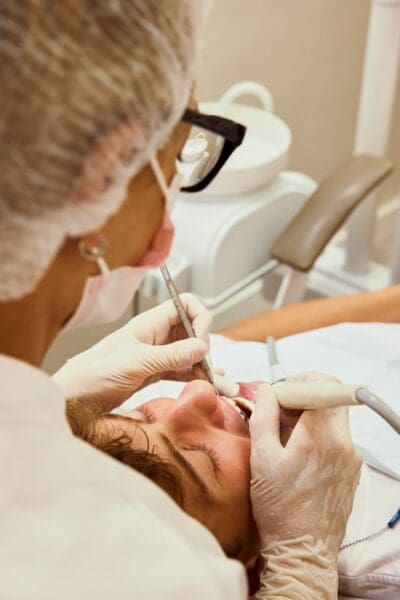
A dental practice can be a scary place for some. In fact, it is estimated that roughly 36% of Americans suffer from dental anxiety, or dental fear, which is also known as odontophobia. This might cause people to avoid receiving necessary dental care, and it can be caused by negative experiences, fear of pain, and a variety of other factors.
If you do suffer from odontophobia, then it is best to work with your dentist to overcome this issue. Most reputable dental practices can customize your care to do this, like Breckenridge Family Dental, which offers expert, personalized dental care in Summit County, CO.
In this post, you will learn three of the best ways to overcome dental anxiety, and this will hopefully make dental procedures a lot easier in the future.
Communicate with the Dentist
One of the first steps to complete when you are aware that you suffer from odontophobia is to speak with your dentist. You must communicate openly without fear of being judged. This is important to ensure both you and your dentist are on the same page going forward. During this conversation, it is best to explain the specific aspects of a dental visit that cause you anxiety.
Your dentist might ask you some questions to determine the severity of your fear, and you can do the same to improve your understanding. If you have a better understanding of the procedures, your anxiety could be alleviated. This might mean the dentist explains each step and describes the tools that will be used to address your concerns.
It is best to schedule this type of conversation before any procedures you have booked. This can be planned during a quiet time in the dental practice to reduce the overall stress of the situation.
Explore Your Options
After speaking with your dentist about your fear, you can then begin exploring which coping mechanisms will work best for you. There are numerous relaxation techniques, like breathing exercises and meditation, that can be effective for those who have odontophobia. It might also be worthwhile using audiobooks, music, or even podcasts to distract yourself during appointments.
In some cases, sedation might be recommended. This can be carried out using general anesthesia, intravenous (IV) sedation, nitrous oxide (laughing gas), or oral sedation. No matter the medication that is used, this option is used to help patients relax during dental procedures. The level of sedation that is required depends on the patient’s anxiety level and the treatment’s complexity.
Address Underlying Issues
While coping with odontophobia can be accomplished, it is best to find a way to address and hopefully overcome the cause. There will be a root cause of your fear, and there are certain therapies that can help you identify it. Cognitive behavioral therapy (CBT), for example, aims to modify negative behaviors and thoughts related to dentistry by reducing anxiety and avoidance.
Alternatively, you might opt for exposure therapy. Individuals will gradually and safely expose themselves to dental-related stimuli to reduce anxiety and fear. It is advised to start small with this before progressing to more anxiety-provoking situations.
To conclude, when you suffer from odontophobia, going to the dentist can feel much more challenging. This is why you might benefit from the three ways to cope and overcome fearing the dentist that have been listed in this post.