Modern Solutions for Restoring Your Smile: The Latest in Dental Implant Technology

Achieving a healthy, confident smile is more accessible than ever with recent innovations in dental implants. These advancements not only enhance the appearance and function of natural teeth but also provide reliable, long-lasting solutions for those who have lost teeth. As dental science evolves, patients have access to a broader array of restorative options tailored to their unique needs and health conditions.
Traditional tooth-replacement options often come with limitations, but today’s dental implants offer superior durability, comfort, and aesthetics. With the right approach, patients can avoid the common pitfalls of older methods, such as slipping dentures and inconvenience. Understanding these options can help individuals make well-informed decisions for their oral health and long-term satisfaction.
From the latest implant systems and minimally invasive procedures to exciting new materials that support faster healing, the landscape of restorative dentistry continues to change for the better. Increased success rates, reduced recovery times, and improved patient outcomes are becoming the norm rather than the exception. In this comprehensive guide, discover how advances in dental implant technology are improving the process of achieving a natural, lasting smile.
Understanding Dental Implants
Dental implants serve as artificial roots anchored in the jaw, providing a stable foundation for replacement teeth. Made predominantly from titanium, these implants fuse naturally with bone, making them a permanent solution for missing teeth. By closely mimicking the structure of natural teeth, implants offer both functional strength and an appealing aesthetic, which contributes to overall oral stability and confidence.
Types of Dental Implants
- Endosteal Implants: The most widely used implants are surgically embedded directly into the jawbone. They provide robust support for crowns or bridges and are suitable for most patients with healthy bone tissue.
- Subperiosteal Implants: These rest on top of the jawbone, beneath the gums, especially benefiting those who lack sufficient bone height and are unable or unwilling to undergo bone grafting procedures.
- Zygomatic Implants: Anchored in the cheekbone, zygomatic implants are the preferred solution when there is significant bone loss in the upper jaw, eliminating the requirement for extensive grafting.
Technological Advancements in Dental Implants
Recent years have witnessed a surge in new implant systems and complementary technologies, many of which are transforming patient experiences and outcomes.
- All-on-X Systems: These approaches allow for the restoration of an entire dental arch with as few as four implants, benefiting individuals with severe bone loss or those in need of full-arch replacement. Techniques utilizing zygomatic and pterygoid implants have further broadened the pool of eligible patients. For more on these breakthroughs, consult this detailed overview at Healthline.
- 3 on 6™ Implants: With this advanced protocol, three bridges are supported by six implants, which help conserve bone and maintain natural gum tissue. This treatment balances function and aesthetics, making it an appealing choice for many seeking a permanent dental restoration. Learn more about this procedure at 3 on 6.
- Ultraviolet (UV) Technology: Innovative UV treatments accelerate implant healing by enhancing their integration with surrounding bone, leading to shorter recovery periods and lower risks of complications. Emerging studies support the effectiveness of this approach, as outlined in Scientific American.
Benefits of Dental Implants
Dental implants provide a host of dental, functional, and psychological advantages for tooth replacement:
- Improved Appearance: Implants are designed to replicate the look and feel of natural teeth, restoring facial contours and a confident smile.
- Enhanced Comfort: Unlike removable dentures, implants are fixed securely in the jaw, eliminating slippage and discomfort during eating or speaking.
- Better Oral Health: Placement does not require adjacent teeth to be altered or ground down, promoting longevity and strength of surrounding teeth.
- Exceptional Durability: With attentive care, dental implants often last for decades, making them an investment in lifelong oral health.
Candidacy for Dental Implants
Determining eligibility for dental implants involves an analysis of both oral and systemic health factors. Ideal candidates are those with healthy gums, adequate bone density to support an implant, and a commitment to good oral hygiene practices. Individuals dealing with chronic conditions such as diabetes or those who smoke may need to consult with their dentist to assess risk factors and ensure proper healing and integration of the implants.

The Dental Implant Procedure
The process of receiving dental implants is systematic and thorough, often completed across several months to ensure successful osseointegration and lasting results:
- Initial Consultation: Your dentist conducts an oral health examination, reviews medical history, and devises a custom treatment plan that often includes X-rays or 3D imaging.
- Implant Placement: During a minor surgical procedure, the implant is positioned in the jawbone where the missing tooth’s root once was.
- Osseointegration: Over weeks to months, the implant fuses with the bone, creating a stable anchor for the prosthetic tooth.
- Abutment Placement: A connector is attached to the implant to hold the artificial tooth or bridge.
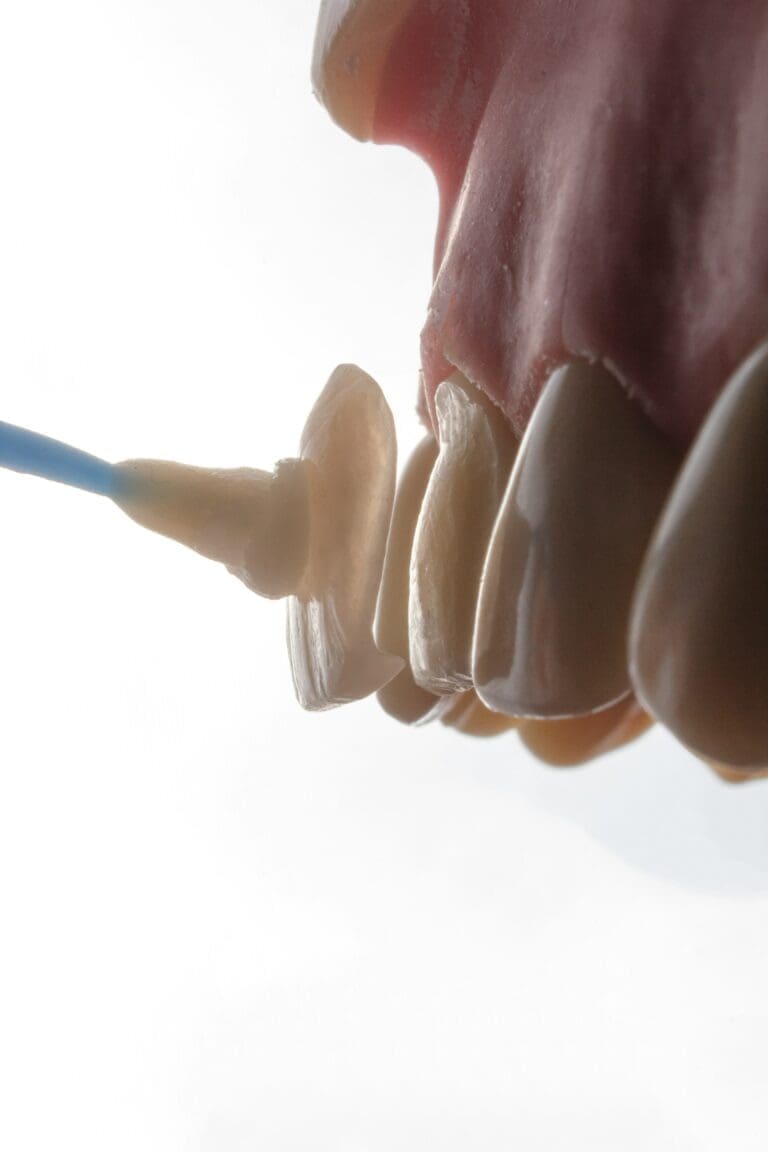
- Crown Placement: The final step involves securing a custom-made crown onto the abutment, matching its color and contour to natural teeth for an indistinguishable appearance.
Aftercare and Maintenance
Ensuring the longevity of dental implants depends on diligent at-home care and routine professional oversight. Establishing a daily habit of brushing, flossing, and using antibacterial mouthwash helps prevent infection and maintain the health of the gums and surrounding bone. Regular dental visits for professional cleanings and check-ups are also essential. Patients should avoid tobacco use and minimize consumption of hard foods or objects that could damage the implant or surrounding tissues.
This professional dentist in Geneva IL adds that monitoring for minor changes in your bite or localized discomfort allows for early intervention before major complications arise. Consistently sticking to this comprehensive maintenance regimen not only protects your financial investment but also guarantees that your restored smile remains stable, functional, and healthy for decades to come.
Choosing the Right Dental Professional
Successful dental implant outcomes are closely tied to the practitioner’s expertise and experience. When selecting a dental provider, consider their specialized training in implantology, patient testimonials, and their access to modern diagnostic and surgical technology. Seek professionals who emphasize personalized treatment planning and a comprehensive approach to oral health.
Dental implants have transformed tooth replacement, offering durable, attractive, and functional solutions. By staying informed about the latest developments in the field, patients can restore their smiles with confidence, reclaim their oral health, and enhance their quality of life.