What Are The Best Fence Options For Creating An Outdoor Living Space?
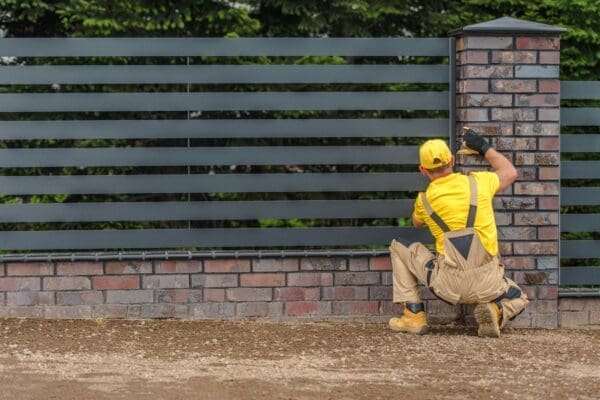
Creating a private, comfortable outdoor living space has become increasingly important as more people seek to extend their usable living area beyond their home’s interior walls. But what are the best fence options for creating an outdoor living space?
The most effective fence options for outdoor living spaces are privacy fences made of wood, vinyl, or composite materials, typically 6-8 feet in height, which provide both security and aesthetic appeal while defining the space.
While these materials are generally considered the best options, your specific situation might call for different solutions based on factors like local regulations, climate conditions, and design preferences. Let’s explore all the available options to help you make the best choice for your unique outdoor space.
What Factors Should You Consider When Choosing A Fence For Your Outdoor Living Space?
Before selecting a fence material, consider your local climate conditions. Areas with high humidity or frequent rainfall might require materials that resist rot and rust, making vinyl or composite materials more practical than wood. Coastal regions may need specially treated materials to withstand salt exposure.
Local building codes and HOA regulations can significantly impact your fence choice. Many neighborhoods have specific requirements about fence height, style, and materials. It’s essential to check these requirements with your local planning office or consult a qualified fence contractor before making a final decision.
Your budget will also play a crucial role. While wood fencing typically offers the lowest upfront cost, maintenance expenses over time can add up. Vinyl and composite materials generally cost more initially but require minimal maintenance throughout their lifespan.
Which Fence Materials Require The Least Maintenance?
Vinyl fencing leads the pack in low-maintenance options, requiring only occasional cleaning with soap and water. It won’t rot, rust, or need painting, and it maintains its color for decades with minimal fading.
Composite fencing materials, made from a mixture of wood fibers and plastic, offer similar low-maintenance benefits. They resist weathering, insects, and decay while providing the aesthetic appeal of natural wood.
Aluminum fencing is another excellent low-maintenance option, particularly for areas where complete privacy isn’t necessary. It never rusts, requires no painting, and can last for decades with virtually no upkeep.
How Can You Make Your Fence More Aesthetically Pleasing?
Adding decorative elements to your fence can significantly enhance your outdoor living space. Consider incorporating built-in planters, lattice tops, or post caps to create visual interest.
Lighting can transform your fence from a simple boundary into a design feature. Solar-powered post caps, mounted lanterns, or string lights can create ambiance and extend the usability of your outdoor space into the evening hours.
Landscaping can also help integrate your fence into the overall design of your outdoor living space. Consider planting climbing vines, creating flower beds along the fence line, or using the fence as a backdrop for larger landscaping elements.
What Are The Most Cost-Effective Ways To Create Privacy With Fencing?
Chain link fencing with privacy slats offers one of the most economical solutions for creating privacy. While not as aesthetically pleasing as other options, it provides effective screening at roughly half the cost of wood fencing.
Natural barriers can complement basic fencing to enhance privacy while reducing costs. Fast-growing bamboo, evergreen shrubs, or climbing plants can be used alongside simpler fence styles to create an attractive and affordable privacy solution.
Partial privacy panels strategically placed only where needed can significantly reduce costs while maintaining functionality. This approach works particularly well for outdoor living spaces where complete perimeter privacy isn’t necessary.
How Can You Incorporate A Fence Into Your Outdoor Living Space’s Design?
Consider using your fence as more than just a boundary by incorporating functional elements. Built-in seating, outdoor kitchen components, or storage solutions can be integrated into the fence design to maximize space utilization.
Mixed materials can create visual interest while serving different purposes. For example, combining solid panels for privacy with decorative metal sections for ventilation and visual appeal can create a unique and functional design.
Different fence heights and styles can be used to create distinct zones within your outdoor living space. This technique, known as space definition, can help establish separate areas for dining, lounging, and entertainment while maintaining a cohesive overall design.
Modern fence designs often incorporate horizontal boards, multiple textures, or architectural elements that complement your home’s style. These design choices can help your fence become a focal point rather than just a boundary marker.
Conclusion
Before making your final fence selection, schedule consultations with at least three local fence contractors who can assess your specific site conditions and provide detailed quotes. This step will not only help you understand the true costs involved but also give you insights into potential challenges or opportunities unique to your property that might influence your choice of materials and design.