The Ultimate Guide to Functional Home Design
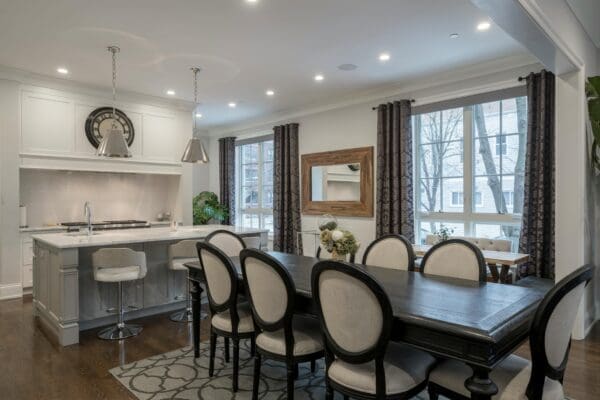
A functional home is more than just good looks. It’s about making sure every space works for your daily life. From the way your kitchen is set up to how you store your shoes, design choices matter. Homeowners in Davenport are finding that practical changes can make their homes more comfortable, easier to maintain, and better suited to their routines.
This guide will walk you through simple but effective ways to design a home that works for you. We’ll cover high-traffic spaces, storage tips, and easy upgrades that make a big difference. Whether you’re thinking about a full renovation or just a few tweaks, there’s something here for every home.
1. Upgrade the Bathroom for Daily Ease
Bathrooms get used every day, so they should be designed for comfort and practicality. If yours feels cramped or outdated, a remodel can make a noticeable difference in how you start and end your day. Begin by looking at the layout — even small changes, like shifting the sink or replacing the shower, can create more room to move. Add built-in shelves, vanity drawers, or wall-mounted cabinets to keep toiletries organized and counters clear.
Good lighting also matters, especially in the morning when you’re getting ready. Choose fixtures that provide bright, even light without harsh glare. Use durable, low-maintenance materials like ceramic tile, quartz, or waterproof vinyl to keep the space fresh with less effort. And when it’s time to take the leap, partnering with an experienced Davenport bathroom remodeling company can ensure the project runs smoothly and delivers results you’ll enjoy for years.
2. Make the Kitchen Work for You
The kitchen is often the heart of the home. It’s where meals are made, conversations happen, and guests tend to gather. Designing it with function in mind can make everyday life smoother.
Start by making sure there’s enough counter space. If you often run out of room, consider adding an island or extending existing counters. Cabinets should be easy to reach and organized with pull-out shelves or dividers. This way, you won’t have to dig around to find what you need.
Appliance placement is another key factor. Keep the refrigerator, sink, and stove in a layout that allows you to move between them easily. This “work triangle” makes cooking less of a chore. Choosing easy-to-clean surfaces, like quartz or stainless steel, will also save time.
3. Create Flexible Living Areas
Living rooms and family spaces need to work for many purposes — relaxing, entertaining, and sometimes even working from home. Flexibility in design means you can adapt the space to your needs without constantly rearranging.
Modular furniture is a great choice. Pieces that can be moved or reconfigured make it easy to change the setup when needed. Storage ottomans, nesting tables, and wall-mounted shelves can help keep the area tidy.
If you have a large room, think about creating zones. A reading corner, a TV area, and a small workspace can all fit in one open space with the right arrangement. Rugs and lighting can help define these areas without putting up walls.
4. Focus on Storage That Fits Your Life
A functional home has storage solutions that work for the way you live. That means not just more storage, but better storage.
Custom-built shelves or cabinets can make use of awkward spaces, like under the stairs or in narrow hallways. In bedrooms, consider under-bed storage or built-in wardrobes to free up floor space. In entryways, hooks and benches with hidden compartments can keep shoes, coats, and bags organized.
When adding storage, think about style too. Pieces should blend with the room’s design so they look like a natural part of the space rather than an afterthought.
5. Improve Lighting for Everyday Tasks
Lighting plays a big role in how functional a room feels. Poor lighting can make a space less usable, even if it’s well-designed in other ways.
Layering light is the best approach. Use overhead lights for general brightness, task lighting for specific activities, and accent lighting to highlight features. In the kitchen, under-cabinet lighting can make food prep easier. In living areas, floor or table lamps can provide a cozy atmosphere.
Dimmer switches are another smart addition. They let you adjust brightness based on the time of day or the mood you want to create.
6. Design for Accessibility and Comfort
A truly functional home works for everyone who lives there, no matter their age or mobility level. Making small design choices now can prevent bigger changes later.
Consider wider doorways and hallways to make moving around easier. Lever-style door handles are simpler to use than knobs. Non-slip flooring can reduce the risk of falls, especially in bathrooms and kitchens.
Comfort matters too. Choose furniture that’s supportive and easy to get in and out of. Adjustable-height desks or counters can help make shared spaces work for people of different heights.
7. Keep Outdoor Areas Functional Too
Outdoor spaces can add a lot of value to your home’s daily life. Whether it’s a small balcony or a large backyard, designing it for function will help you use it more often.
Think about how you want to use the space. For dining, you’ll need a table and chairs with weather-resistant finishes. For relaxation, lounge chairs or a hammock can create a cozy spot.
Low-maintenance landscaping can keep your outdoor area looking good without constant upkeep. Adding lighting makes it usable in the evenings, and covered areas let you enjoy it even in less-than-perfect weather.
Remember, functional design isn’t just about the way your home looks — it’s about how it feels to live in it every day. Start with the rooms you use most, and look for ways to make them more practical. Even small adjustments, like better lighting or smarter storage, can have a big impact. Over time, these changes add up to a home that works for you instead of the other way around.
Whether you’re planning a large renovation or a few quick updates, focus on creating spaces that make daily routines easier and more enjoyable. When your home is designed with purpose, it becomes a place you love to spend time in, and that’s the best kind of investment you can make.
Similar Posts:
- How to Maximize Space and Style in a Small Kitchen Remodel
- How to Create a Stunning Small Bedroom on a Tiny Budget: A Money-Saving Guide
- Bright Ideas: A Guide to Choosing the Best Indoor and Outdoor Lighting for Your Clients
- Revamp Your Space: Elegant Kitchen Decor Ideas for a Modern Home
- Garage Organization Trends for Homeowners in 2026