Design Choices That Subtly Boost Property Value Without Renovations

In real estate, perception is often as influential as structure. While extensive renovations and costly upgrades may appear to be the only paths to higher property value, there are design decisions that can quietly elevate appeal without knocking down walls or altering layouts. Strategic design choices influence how a property is experienced, leaving impressions of care, quality, and timelessness. These adjustments can shift buyer perspectives, creating a sense of worth that goes beyond square footage or architectural complexity.
The following strategies explore subtle but impactful design elements that can boost value without engaging in major renovations. They rely on aesthetics, atmosphere, and thoughtful presentation—factors that play into human psychology as much as real estate logic.
The Role of Lighting in Emotional Atmosphere
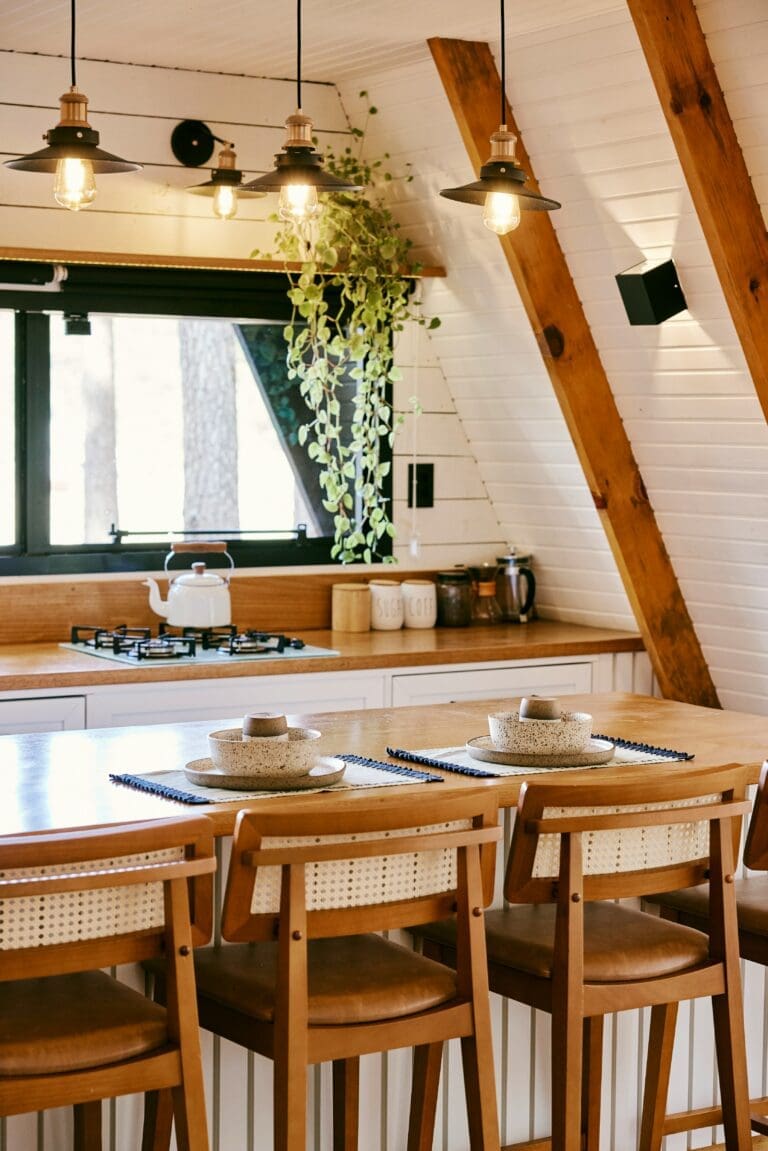
Lighting shapes mood more than many realize. Poorly lit interiors often appear smaller, older, and less inviting, while carefully considered lighting enhances openness and warmth. Upgrading lighting does not require structural rewiring or extensive installation. Instead, it may involve replacing outdated fixtures with modern designs, incorporating layered lighting through floor and table lamps, or switching to warmer LED options that highlight textures and colors.
Exterior lighting plays a parallel role. Pathway lights, entryway sconces, or discreet spotlights for landscaping elevate the nighttime aesthetic, signaling elegance and safety.
Exterior Surfaces and First Impressions
The condition of exterior surfaces often determines how potential buyers interpret the overall quality of a property. A well-maintained façade conveys durability and style, while wear and neglect suggest underlying issues. Even without full renovations, investing in visual surface improvements changes how a home is perceived. For example, incorporating replacement siding can give the structure a refreshed, uniform look that immediately signals care.
Landscaping as Living Architecture
Outdoor spaces provide a narrative about how the property interacts with its environment. While extensive landscaping projects can be costly, simple and intentional upgrades offer substantial value. Adding seasonal plants, ensuring lawn consistency, trimming hedges, and incorporating low-maintenance greenery creates a sense of order and care.
Strategic placement of planters and shrubs can soften architectural edges, draw attention to entryways, or frame outdoor living areas. When these spaces are presented as extensions of the home, they suggest a lifestyle rather than a mere lot of land.
The Power of Neutral Palettes
Colors influence both perception and emotion, and in real estate, they quietly guide decision-making. Bold or highly personalized color schemes can limit buyer imagination, while neutral palettes create a canvas for projection. A fresh coat of paint in soft grays, warm whites, or beige tones can dramatically shift how interiors are experienced.
These shades provide continuity between rooms, making the property feel cohesive and spacious. They also reduce the sense of “work to be done” for buyers, who may otherwise view repainting as an additional cost.
Flooring as a Silent Statement
While flooring is rarely the first feature noticed, it often lingers in the overall impression. Outdated carpets or worn surfaces can drag down perception, even if the rest of the property is well-maintained. Full replacement may not be necessary; simple steps such as professional cleaning, refinishing hardwood, or adding well-placed area rugs transform the experience of walking through a space.
The tactile interaction of flooring influences how buyers imagine living in the property. Smooth, polished, and cared-for surfaces suggest longevity and value. Even subtle enhancements in flooring presentation can recalibrate how the entire property is judged.
Windows as Frames of Experience
Windows act as transitions between interior life and the outside world. Clean, clear panes invite light, while neglected ones reduce vibrancy and diminish spatial perception. Simple upgrades, such as updating window treatments, adding sheer curtains to diffuse light, or ensuring frames are freshly painted, make a noticeable difference.
Window treatments also shape style. Replacing heavy, outdated drapes with minimalist blinds or airy curtains immediately modernizes interiors.
Kitchen Accents that Signal Value
The kitchen often acts as the emotional heart of a home. While full remodels are costly, subtle design changes influence their perceived value. Swapping cabinet hardware for sleek modern alternatives, updating faucets with contemporary finishes, or installing a stylish backsplash panel can change the overall aesthetic.
Countertop styling also matters. A decluttered, polished surface with thoughtfully placed items—such as a cutting board, bowl of fruit, or minimal décor—creates a showroom effect. These changes require no renovation but shift the narrative from “functional cooking space” to “desirable lifestyle hub.”
Bathroom Details with Lasting Impressions
Bathrooms, though often small, hold disproportionate weight in property evaluations. Simple enhancements can significantly impact impressions. Replacing outdated mirrors with framed options, upgrading faucets, or adding coordinated towel racks introduces cohesion and refinement.
Lighting again plays a role, with brighter, well-placed fixtures making the space appear larger and cleaner. Even subtle details, such as matching accessories or neutral-toned shower curtains, present the bathroom as a maintained, valuable space.
Texture and Material Harmony
Design is not solely about visuals; texture contributes to perception in profound ways. Properties with balanced material harmony—wood against metal, fabric alongside stone—appear curated rather than accidental. Without renovations, this balance can be achieved by incorporating design accents such as throw pillows, rugs, or metallic fixtures.
When textures complement each other, they create depth and richness. A well-placed wooden side table against a modern sofa, or a fabric rug softening a tiled floor, adds layers of aesthetic that subtly elevate property perception.
Artful Use of Mirrors and Reflections
Mirrors manipulate space and light, creating an expanded sense of openness. Placed opposite windows, they amplify natural light; positioned strategically, they extend the perception of square footage. Unlike renovations, mirrors do not alter structure, but they reshape experience.
The style of the mirror matters as much as placement. A modern frame can tie together design themes, while a large unframed option can create minimalistic depth.
Decluttering as a Design Strategy
Perhaps the most underestimated design choice is subtraction. Properties cluttered with personal items, excessive furniture, or outdated décor appear smaller and less valuable. Thoughtful decluttering reveals space, flow, and light. It highlights architectural strengths rather than distracting from them.
This approach does not require investment, only curation. By simplifying, rearranging, and editing what is displayed, the property takes on a gallery-like quality, where potential buyers or evaluators can project their own lives into the space. This psychological opening increases perceived worth.These shifts are less about spending large sums and more about applying thought and intention to how a property is experienced. When surfaces gleam, lighting welcomes, textures harmonize, and spaces feel open, buyers see care, quality, and desirability. Without swinging a hammer or drafting renovation plans, design decisions alone can powerfully influence property value.