Future-Proofing Your Home with Smart Technology

In 2019, Time Magazine noted that over 63 million households in the United States will qualify as ‘smart’ by 2022. Families are no longer just looking for comfort; they also want efficiency, security, and savings. Many homeowners say that their biggest challenge is managing rising energy costs while keeping their homes convenient and safe.
Smart home technology is no longer a luxury. It has become an affordable way to improve daily living. What was once seen only in large, high-tech cities is now available in communities everywhere. Even in smaller towns such as Conyers, GA, homeowners are making the shift to smarter living. The best part is that you don’t have to install everything at once. You can start with one upgrade and expand as your needs grow.
This article will guide you through some of the most practical smart technologies you can use to prepare your home for the future.
Smarter HVAC Systems for Long-Term Comfort
Heating and cooling are at the center of every home’s comfort. Smart HVAC systems now offer better control, greater efficiency, and lower energy costs compared to older setups. With features like zoning, remote access, and automated scheduling, homeowners can manage temperatures in different rooms without wasting power.
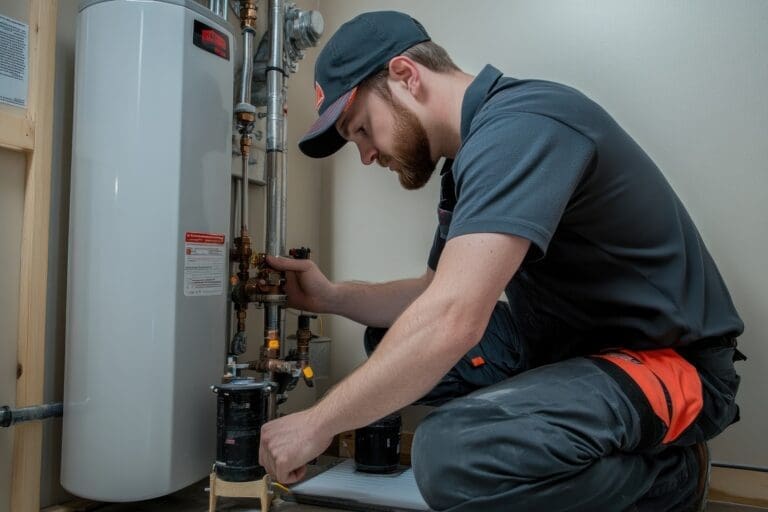
These upgrades not only save money but also extend the life of equipment by reducing unnecessary strain. Many families choose to consult a reliable HVAC contractor in Conyers, GA to ensure their systems are updated and compatible with smart technology. Professional guidance helps homeowners select the right solutions, whether that’s a smart thermostat, improved ductwork, or full system integration. Taking steps to modernize HVAC ensures comfort, efficiency, and reliability for years to come.
Intelligent Lighting for Comfort and Savings
Lighting is an easy place to start when future-proofing your home especially with the help of a professional electrical contractor. Smart lighting systems allow you to control brightness, color, and timing through a phone app or voice command. You can set lights to turn on when you enter a room or to dim at bedtime without touching a switch.
These systems also help reduce energy waste. Motion sensors make sure lights turn off when no one is around. Schedules can be programmed so outdoor lights switch on at sunset and off at sunrise. Some families also use smart lighting to improve security, making their homes appear occupied when they are away. The convenience, energy savings, and peace of mind make this a popular first step into smart technology.
Smart Security Systems for Peace of Mind
Keeping your family safe is always a top priority, and smart security systems make it easier than ever. Video doorbells allow you to see and talk to visitors from your phone, no matter where you are. Smart locks let you unlock the door for a family member without needing a spare key. Cameras with motion detection send alerts if something unusual happens around your property.
What sets these systems apart is real-time access. If your child gets home from school, you’ll know immediately. If a package arrives, you can see it and secure it. For many families, this constant awareness offers reassurance that traditional locks and alarms cannot match. And since most devices are wireless, installation is quick and doesn’t require major changes to your home.
Connected Appliances That Work Smarter
Appliances are a big part of daily life, and now many of them are smarter than ever. A smart refrigerator can remind you when food is running low. A smart oven can preheat itself before you even walk into the kitchen. Washing machines can be started from an app while you’re out running errands.
These connected appliances are designed to save both time and energy. Many use less power during peak hours, which can reduce utility bills. Others provide notifications to prevent problems, like letting you know when a filter needs to be changed. Over time, these small improvements add up to real convenience and savings.
Voice Assistants as the Hub of the Home
Voice assistants such as Amazon Alexa and Google Home are the link that ties everything together. With a simple command, you can adjust the thermostat, turn off the lights, or lock the front door. For families with children, these devices also provide fun features like music, games, and homework help.
But their most valuable role is central control. Instead of using multiple apps for different devices, you can manage everything through a single system. This makes smart technology easy to use even for people who aren’t comfortable with complicated apps. As new devices are added to the market, most voice assistants automatically integrate with them, ensuring your home stays current without constant upgrades.
Water and Leak Detection Systems
Water damage is one of the most expensive problems homeowners face. A small leak under a sink or behind a wall can cause thousands of dollars in repairs if it goes unnoticed. Smart water sensors help prevent this by alerting you as soon as moisture is detected. Many sensors connect to your phone, so you know right away if there is an issue.
Some advanced systems can even shut off the water supply automatically if a leak is detected. This kind of fast response can prevent structural damage and protect flooring, walls, and furniture. For families who travel often, these devices offer peace of mind. They are usually small, affordable, and easy to install, making them one of the most practical forms of protection against unexpected repair costs.
Preparing Your Home Network for the Future
Smart homes depend on strong and reliable internet connections. Without a stable network, devices can lag or disconnect. That’s why preparing your home network is a crucial step in future-proofing. Mesh Wi-Fi systems are often recommended because they provide stronger coverage throughout the house, especially in larger spaces.
Cybersecurity is another important factor. Since smart devices connect to the internet, they can become targets if not properly secured. Simple steps like using strong passwords, keeping devices updated, and setting up a separate Wi-Fi network for smart devices can reduce risks. As technology continues to grow, a solid and secure home network ensures that all your devices work smoothly without interruptions.
Smart technology is no longer reserved for high-tech homes. It is practical, affordable, and designed to make life easier while cutting down on waste. From thermostats and lighting to security, appliances, and air quality, these devices offer real solutions for common problems homeowners face. Each upgrade adds a layer of comfort, savings, or safety.
The best part is that future-proofing does not mean making all the changes at once. You can start small with a single device and expand as you go. With every step, your home becomes more efficient and better prepared for the years ahead. By investing in smart solutions today, you create a living space that is not only modern but also ready to adapt to tomorrow’s needs.