Why Switch to Portable Energy Storage for Solar Homes?
When the neighborhood plunged into darkness during last month’s storm, Sarah’s home stayed powered and comfortable thanks to her portable energy storage system. As solar adoption soars across America, homeowners are discovering that traditional grid-tied systems alone can’t guarantee energy security. While solar panels harvest clean energy during sunny days, the inability to store and flexibly use that power leaves many still vulnerable to outages and peak-rate charges. Enter portable energy storage systems – a game-changing solution that’s revolutionizing how we think about home energy independence. These versatile systems combine high-capacity batteries with smart technology to capture, store, and deploy solar power when and where you need it most. Beyond just backup power, they offer unprecedented mobility, seamless solar integration, and the freedom to take control of your energy future. In this guide, we’ll explore how portable storage is transforming solar homes, from achieving true energy independence to maximizing return on investment through innovative features and flexible deployment options.
The Energy Independence Imperative for Solar Homes
Traditional grid-tied solar systems, while offering clean energy benefits, often fall short of delivering true energy independence. During cloudy days or nighttime hours, these systems still rely heavily on the grid, leaving homeowners vulnerable to power disruptions and escalating utility costs. Recent data shows that grid instability has increased by 60% in the past decade, while electricity rates continue to climb at 3-4% annually in many regions. Weather-related outages particularly highlight this dependency, as standard solar installations automatically shut down during blackouts to protect utility workers, leaving homes powerless despite having solar panels installed. The integration of portable storage systems fundamentally changes this dynamic by creating a reliable energy buffer. These systems enable homes to capture excess solar production during peak generation hours and strategically deploy it during high-demand periods or outages. Beyond mere convenience, this capability translates into tangible environmental benefits, as homes can maximize their use of clean solar energy rather than defaulting to grid power from fossil fuel sources. The flexibility to store and manage energy locally also provides crucial resilience against increasingly frequent extreme weather events, making portable storage a critical component for achieving true energy sovereignty while significantly reducing household carbon footprints through optimized energy consumption patterns.
Portable Energy Storage Systems: Beyond Traditional Home Battery Backup
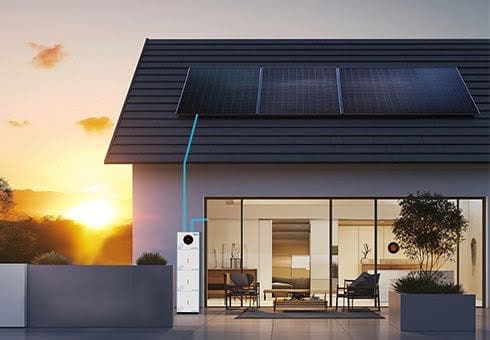
Portable energy storage systems represent a significant evolution beyond conventional fixed home battery installations. At their core, these systems utilize advanced lithium-ion battery technology coupled with sophisticated hybrid inverters and intelligent charge controllers to create a more versatile energy solution. Leading manufacturers like Anern have pioneered systems that offer unprecedented scalability, allowing homeowners to start with a base capacity and expand as their energy needs grow. This modular approach eliminates the need for costly system overhauls when power requirements change. The dual-use functionality sets these systems apart, seamlessly transitioning between home backup and mobile power applications for RVs, camping, or remote work sites. Modern portable systems incorporate multiple layers of safety features, including advanced battery management systems (BMS), thermal regulation, and short-circuit protection. Recent technological innovations have dramatically improved energy density and cycle life while reducing weight and maintenance requirements. These systems undergo rigorous UL certification processes and comply with stringent safety standards for both indoor and outdoor use. The integration of smart monitoring capabilities allows users to track performance metrics and optimize energy usage through mobile apps, while built-in protection systems automatically safeguard against environmental factors like extreme temperatures and moisture exposure.

Transformative Benefits of Portable Solar Storage
Unmatched Flexibility and Mobility
Modern portable systems redefine energy flexibility by eliminating the traditional constraints of fixed installations. Homeowners can easily relocate their energy storage system during moves without incurring costly reinstallation fees. During natural disasters, the system’s portable nature allows for rapid deployment to different areas of need, whether powering essential medical equipment or maintaining critical home systems. The versatility extends to powering remote worksites, vacation homes, or temporary facilities, providing consistent, clean energy wherever it’s needed.
Enhanced Cost Efficiency
Smart energy management capabilities dramatically reduce electricity costs by automatically shifting consumption away from peak rate periods. The system’s AI-driven controls optimize charging cycles to take advantage of lower off-peak rates while ensuring sufficient backup capacity. Compared to traditional generator solutions, the system delivers superior long-term value through minimal maintenance requirements and elimination of fuel costs.
Environmental Impact Amplification
By maximizing solar self-consumption, portable storage systems significantly reduce reliance on grid power during evenings and cloudy days. This optimization typically results in a 60-80% reduction in grid energy consumption for most households. The system’s advanced battery technology is backed by comprehensive recycling programs, ensuring sustainable end-of-life management while minimizing environmental impact throughout its lifecycle.

Optimizing Solar Integration with Hybrid Inverters
At the heart of modern portable energy storage systems lies the hybrid inverter, a sophisticated component that seamlessly bridges solar panels, batteries, and household power needs. These advanced inverters enable simultaneous power flow management from multiple sources, automatically prioritizing solar generation while intelligently supplementing from battery storage or grid power as needed. The system’s flexibility supports both AC and DC coupling configurations, allowing homeowners to retrofit existing solar installations or optimize new deployments for maximum efficiency. When solar production exceeds household demand, the smart routing technology automatically diverts excess power to charge the battery system, ensuring no clean energy goes to waste. During peak consumption periods, the inverter seamlessly draws from the most cost-effective power source, whether that’s stored solar energy, real-time panel production, or off-peak grid power. Built-in monitoring capabilities provide detailed insights through user-friendly dashboards, tracking solar generation, battery status, and household consumption patterns. This granular data enables continuous system optimization, helping homeowners fine-tune their energy usage while maintaining reliable backup power availability. The integration of advanced communication protocols also enables remote troubleshooting and automatic firmware updates, ensuring the system evolves with technological improvements and changing energy needs.
In addition to the benefits of portable energy storage, it’s important to consider the expertise of local solar providers. For residents in Grass Valley, North Valley Solar Power offers tailored solutions that maximize the efficiency of solar systems. By integrating advanced storage options, they ensure that homes can harness solar energy effectively, even during power outages or peak demand times. This not only enhances energy independence but also contributes to a more sustainable lifestyle. With the right support and technology, solar homes can achieve optimal performance and reliability, making the transition to renewable energy sources even more rewarding.
Implementation Guide: Transitioning to Portable Storage
Step 1: System Sizing and Compatibility
Begin your transition by conducting a detailed energy audit using smart meter data or monitoring devices to track daily consumption patterns. Calculate your battery capacity requirements by identifying peak usage times and critical loads that need backup power. For most homes, analyzing three months of utility bills provides sufficient data to determine optimal system size. Verify solar array compatibility by checking existing inverter specifications and panel output ratings. Consider future expansion needs, like EV charging or home additions, when sizing your system.
Step 2: Professional Installation Essentials
Schedule a comprehensive site assessment to evaluate mounting locations that optimize system performance while meeting safety requirements. Ensure proper ventilation and protection from extreme weather conditions. Follow electrical integration protocols including proper grounding, overcurrent protection, and disconnect placement. Submit required documentation for local building permits, utility interconnection agreements, and HOA approvals where applicable. Coordinate with certified installers familiar with portable storage system specifications.
Step 3: Maintenance and Optimization
Implement regular battery maintenance routines including monthly performance checks and quarterly deep cycling to maintain optimal capacity. Adjust charge/discharge settings seasonally to account for changing solar production and energy needs. Keep system firmware current through automatic updates, and configure remote monitoring alerts for proactive maintenance. Establish backup settings that prioritize critical loads during outages while maintaining sufficient reserve capacity.
Empowering Homes Through Smart Energy Storage
The transition to portable energy storage represents a pivotal shift in how homeowners harness and manage solar power. As we’ve explored, these versatile systems overcome traditional solar limitations by providing true energy independence through intelligent storage and deployment capabilities. Their innovative features – from AI-driven optimization to multi-source backup integration – deliver unprecedented flexibility while maximizing cost savings and environmental benefits. Unlike fixed installations, portable storage adapts to changing needs, whether relocating, expanding capacity, or responding to emergencies. The seamless integration with existing solar installations, coupled with sophisticated hybrid inverter technology, ensures optimal energy utilization while simplifying the path to energy independence. As grid instability and energy costs continue to rise, portable storage systems emerge as a future-proof investment in household resilience and sustainability. Take the first step toward energy autonomy by scheduling a personalized assessment to discover how portable solar storage can transform your home’s energy profile while contributing to a cleaner, more sustainable future.