The Healing Power of Shakuhachi Meditation
Shakuhachi meditation is an ancient Zen Buddhist practice renowned for its ability to foster mindfulness, promote emotional well-being, and provide a deeply healing experience. By focusing on both breath control and sound, practitioners can achieve states of clarity and calm. The method uniquely combines music and meditation, guiding individuals toward a deeper connection with themselves and the present moment. Many have found solace and transformation through regular engagement with the flute shakuhachi, which is at the heart of this tradition.
This approach is accessible to anyone eager to explore new forms of meditation. Whether you are seeking to alleviate stress or discover a more profound level of concentration, shakuhachi meditation introduces an enriching pathway to holistic well-being. The soothing, resonant tones of the bamboo flute nurture tranquility as much as they cultivate awareness, making this practice both nurturing and transformative.
The simplicity of playing does not diminish its depth. On the contrary, the act of producing sound through mindful breath links the body and mind in a shared pursuit of healing. As music becomes meditation, each note serves as a focal point for the wandering thoughts of daily life, creating a safe space for self-discovery and growth.
This article will delve into the origins of shakuhachi meditation, explore essential techniques, discuss remarkable health benefits, and outline how this tradition is being embraced in therapeutic environments. It also provides actionable steps for beginners aiming to embark on their own shakuhachi journey.
Origins of Shakuhachi Meditation
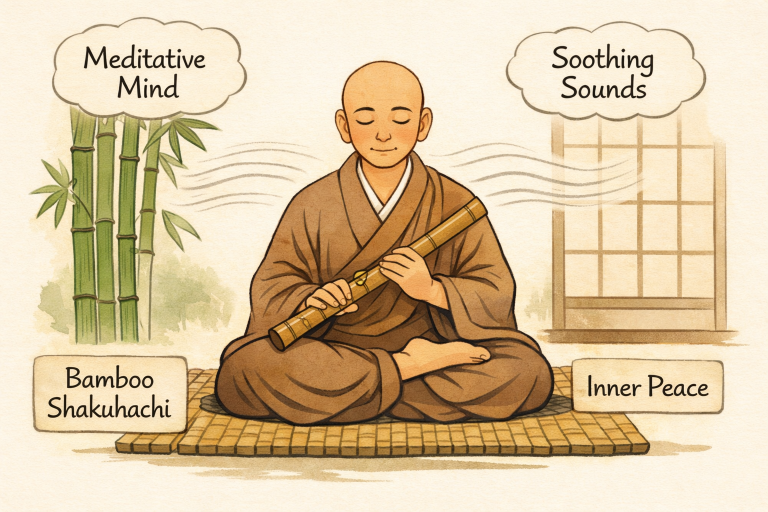
The roots of shakuhachi meditation trace back to the Edo period in Japan. Zen Buddhist monks of the Fuke sect adopted the bamboo flute as a fundamental part of their spiritual life, practicing what is known as suizen, or “blowing meditation.” Rather than using chants or silent contemplation alone, these monks would use the flute to center their awareness, aiming to reach enlightenment through disciplined breath and attentive listening. This practice encourages a heightened sensitivity not only to the sound but also to the spaces between notes, a quality central to many meditative arts.
Unlike other musical traditions that may prioritize technical skill or performance, shakuhachi meditation focuses on the journey inward. The sound is raw and intimately tied to the breath, which becomes both an instrument of music and a vehicle for mindfulness. This uniquely meditative approach is now being rediscovered outside its spiritual context, attracting practitioners globally for its tranquility and capacity to transform how individuals relate to their inner and outer worlds.
Techniques for Practicing Shakuhachi Meditation
Shakuhachi meditation involves distinct but accessible techniques. First, practitioners engage in focused breathing, taking deep, measured breaths to sustain each note. This breathwork engages the diaphragm, leads to greater oxygenation, and serves as an anchor to the present. Mindful playing is equally essential, emphasizing the full experience of each note as well as the silence that surrounds it. Players are encouraged to notice every subtle shift in tone and intensity, which fosters acute self-awareness and present-moment concentration.
Repetitive practice of set pieces or melodic phrases (known as honkyoku) is common. Repeating specific patterns enables deeper immersion, allowing the musician to shed distractions and gradually build both technical skill and meditative depth. Beginners often start with simple passages before progressing to more complex meditative sequences, each designed to draw attention inward while cultivating musical sensitivity.
Physical and Mental Health Benefits
Regular practice of shakuhachi meditation confers broad physical and psychological benefits. Deep breathing combined with musical focus has been shown to reduce stress, lower blood pressure, and promote relaxation. Through mindful playing, practitioners can sharpen their concentration, enhance cognitive function, and improve their ability to manage intrusive thoughts and anxiety.
The tradition also supports emotional regulation. By offering a structured space in which emotions can surface and settle, shakuhachi meditation helps foster emotional resilience and stability. According to research cited in Harvard Health Publishing, breath-based meditation, especially when combined with musical tones, activates the parasympathetic nervous system, aiding in the mitigation of chronic stress and emotional distress.
Furthermore, innovative programs integrating shakuhachi meditation and creative arts, such as haiku reflection, have demonstrated significant benefits among older adults, supporting mindfulness and enhancing creativity, as documented by researchers at the University of Hawai?i. These efforts show how traditional practices can be adapted to meet contemporary wellness challenges.
Shakuhachi in Modern Therapeutic Settings
Today, shakuhachi meditation is finding new applications in therapeutic and community health settings. Programs for older adults in places like Hawai‘i have adopted this method to great effect. Incorporating shakuhachi soundscapes in mindfulness meditation sessions has led to notable improvements in health-related quality of life and emotional well-being among participants. Interventions documented in the National Institutes of Health highlight the growing acceptance of the instrument within modern integrative health approaches.
Therapists have reported that the approachable nature of the bamboo flute, combined with its meditative tone, encourages participation, especially among individuals who may be new to meditation or mindful breathwork. These advances show promise for broader adoption of shakuhachi meditation beyond traditional circles and into diverse populations seeking natural paths to healing.
Getting Started with Shakuhachi Meditation
Individuals interested in shakuhachi meditation can begin their journey by choosing an appropriate instrument. Meditation-specific shakuhachi flutes are readily available and are crafted to support solo meditation rather than performance. Beginners should invest time in learning basic breath and fingering techniques, focusing initially on single tones before attempting melodies.
Establishing a consistent routine is key. Practicing for a few minutes daily and gradually extending the duration as skill and comfort grow will yield the most benefit. Instruction from a knowledgeable teacher or guidance from well-respected resources ensures proper form and enriches the meditative experience. Community groups, online tutorials, and introductory workshops can offer valuable support to beginners and experienced practitioners alike.
Conclusion
Shakuhachi meditation presents a profound and accessible way to achieve mindfulness, relieve stress, and foster emotional balance. Through the integration of breath, sound, and intention, this ancient practice offers anyone the chance to discover harmony and inner peace. Incorporating the shakuhachi into daily meditative routines opens the door to a transformative tradition where music and mindfulness meet, ultimately promoting holistic health and resilience for people of all ages.