6 Hidden Dangers Lurking in Overgrown UK Gardens
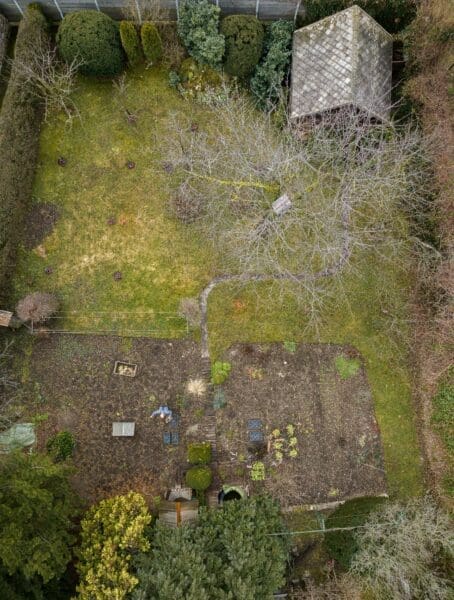
Everyone loves a wild, cottage-garden aesthetic. But there’s a massive difference between ‘charmingly overgrown’ and ‘a safety hazard that’s been developing since October.’
One gets you compliments over the fence; the other gets you a tetanus jab and a very expensive afternoon with a pest-control expert.
Before you go wading into the weeds, though, you need to know exactly what has moved in while you were looking the other way. So, keep reading to see which hazards are currently claiming squatters’ rights in your backyard.
- Sharp Objects
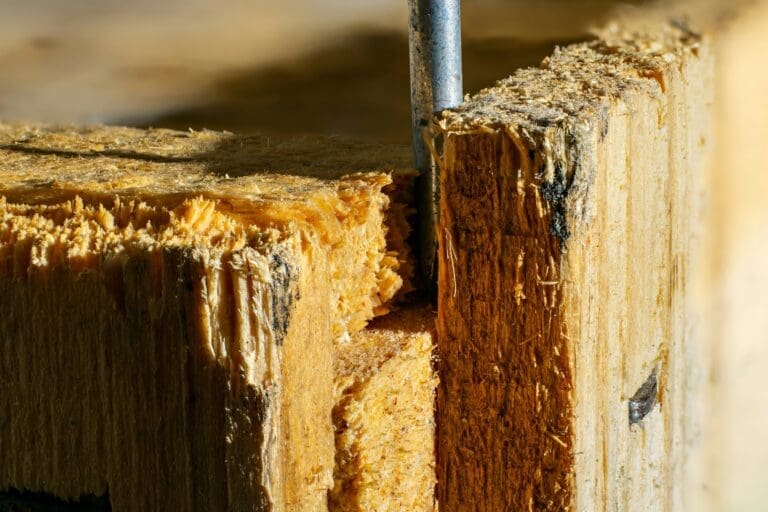
Broken glass from an old cold frame, rusted wire, or that one ceramic shard you meant to pick up later can all get swallowed by overgrowth and end up forgotten for months. Of course, they then make a dramatic return the moment you decide to do a big spring clear-out.
The real danger is that you probably won’t be able to spot these bits until you’re already in contact with them. By then, you’ll find yourself either rummaging through a first aid kit or making an undignified trip to A&E.
So, do yourself a favour and don’t charge in blind. Wear thick gardening gloves, not the flimsy pair you have in the back of your kitchen drawer, and use a rake to check dense areas.
If you uncover broken glass, wrap it in several layers of old newspaper before putting it in a bin bag. And if you find scrap metal or old wire, keep it separate, as many councils have become stricter about waste sorting under the UK’s simpler recycling changes.
- Toxic Plants
Some plants don’t wait for an invitation. Giant hogweed and lords-and-ladies are both masters at self-seeding into neglected corners, and they can be incredibly dangerous if you handle them the wrong way.
For example, giant hogweed’s sap reacts with UV light, meaning if you get it on your skin and then step into the sun, it can cause severe burns and lasting scars.
Similarly, the bright red berries of lords-and-ladies look like a snack but can cause intense burning and swelling if anyone is brave enough to take a bite.
If you spot these, don’t just go in swinging a strimmer; flying sap and seeds are just as hazardous. Instead, suit up with long sleeves, gloves, and eye protection, then dig the roots out fully before bagging everything in sealed bags and putting them in the bin.
- Uneven Ground
With grass creeping over paths, roots lifting slabs, and moss settling on every damp surface, your outdoor space can quickly turn into an obstacle course.
Add kids racing around or elderly relatives visiting for a Sunday roast, and those uneven paths could easily catch someone out. So, if you’ve got rocking or sunken slabs, lift and reset them on a fresh bed of mortar.
Want to create a safe, clear route through longer grass or boggy patches without spending thousands? Go for stepping stones. You can pick up a few weathered stone or slate slabs for about £10 to £20 per piece from your local Dobbies or B&Q.
You can also get clear anti-slip coatings to save yourself from performing an accidental Olympic-level skid every time you go out to the bin.
- Allergens
If hay fever is part of your life, your garden can feel like a pollen machine running at maximum output, especially in spring.
Nettles, ragwort, dock, and a dozen species of wild grass all release huge amounts of airborne allergens. Leave them to flower unchecked, and your relaxing afternoon outside can quickly turn into hours of sneezing, coughing, and rubbing your eyes.
So, you’ll want to cut these weeds back before they have a chance to flower. Trust us, it’s a lot easier to pull a nettle in May than it is to deal with the fallout once it’s gone to seed in August.
Also, try to schedule your gardening sessions in the early morning or later in the evening when pollen counts tend to be a bit lower and wear a mask for extra protection.
Once you’re done, jump straight into the shower to stop the pollen from following you back into your house and settling on your furniture.
- Pests
That wildlife-friendly corner you’ve been neglecting is basically a luxury spa for all the multi-legged creatures you don’t want near your house. Dense greenery offers pests everything they need to move in: cover, warmth, and a constant food supply.
Rats, in particular, are huge fans of outdoor spaces that have been left to go a bit wild. And once they’ve decided your garden is their new home, you won’t be able to get rid of them easily.
It’s not just the rodents you have to worry about, though. Slugs and snails treat damp, leafy piles like an all-you-can-eat buffet, and wasps are more than happy to build a nest in a thick hedge or under that loose bit of decking.
So, what’s the best way to handle this? Make your garden as unwelcoming as possible to them. If you keep your grass short, you’ll remove the cover these creatures depend on to feel safe.
For a natural solution, plant lavender and marigolds to deter insects. And if you want to tell rodents to clear off without harming the local ecosystem, try using garlic spray around your perimeter.
- Fire Hazards
If your garden is currently home to piles of old leaf mulch and brittle stems that have been there since last year, you’re basically sitting on a giant pile of kindling.
These can become flammable in hot, dry weather, and with British summers getting warmer and drier, it’s a risk you can’t afford to ignore.
You’d be surprised at how little it takes for things to go south, too. A stray ember from your barbecue or a cigarette drifting in from next door could quickly start a fire in your garden and put everyone on your property in danger.
So, to stay safe, you’ve got to clear out all that waste. If you’ve got a massive heap that doesn’t fit in your bin, you can call in a garden waste removal service to haul it away.
They’ll remove those piles safely and recycle or compost them, which beats having a ticking time bomb sitting in the corner of your garden.
Conclusion
None of this is meant to scare you into staying indoors. In fact, you now know more about those potential risks than most of your neighbours, who are still blissfully prodding around their brambles in flip-flops.
So, grab that rake and dive in. Your dream garden is just one productive weekend away from making a comeback!