4 Benefits Of Fluoride And Sealant Treatments In General Dentistry
Healthy teeth do not happen by accident. You need simple tools that protect your mouth every day. Fluoride and dental sealants give that protection in quiet but powerful ways. They help you avoid pain, save time, and cut costs. They also support your long term health. A Downtown Toronto dentist uses these treatments to stop small problems before they grow. Fluoride strengthens weak spots in your teeth. Sealants cover the deep grooves where food and germs hide. Together, they lower your risk of cavities, make cleanings easier, and protect past dental work. These treatments are quick, safe, and comfortable for children and adults. You gain more control over your oral health. You also gain relief from worry about surprise dental visits. This blog explains four clear benefits so you can decide with confidence at your next checkup.
1. Stronger Teeth With Less Effort
Fluoride protects your teeth in three simple ways. It hardens the outer layer of your teeth. It slows down the harm from sugar and acid. It can even help repair tiny weak spots before they turn into cavities.
You get fluoride from three main sources.
- Toothpaste and mouth rinse at home
- Fluoride treatments during dental visits
- Fluoridated drinking water in many communities
The Centers for Disease Control and Prevention explains that fluoride in water and routine care lowers tooth decay for children and adults. You still need brushing, flossing, and regular cleanings. Fluoride makes each of those steps more effective.
For families, this means fewer cavities across many years. Children keep their baby teeth longer and in better shape. Adults keep more natural teeth as they age. You spend less time in the dental chair fixing problems and more time keeping your mouth steady and healthy.
2. Fewer Cavities In Children And Adults
Dental sealants protect the chewing surfaces of your back teeth. Those teeth have deep grooves that trap food and bacteria. A sealant covers those grooves with a thin, hard layer. It acts like a shield that stops food and germs from touching the tooth surface.
The process is simple.
- Your dentist cleans and dries the tooth
- A gentle gel prepares the surface
- The sealant is painted on as a liquid
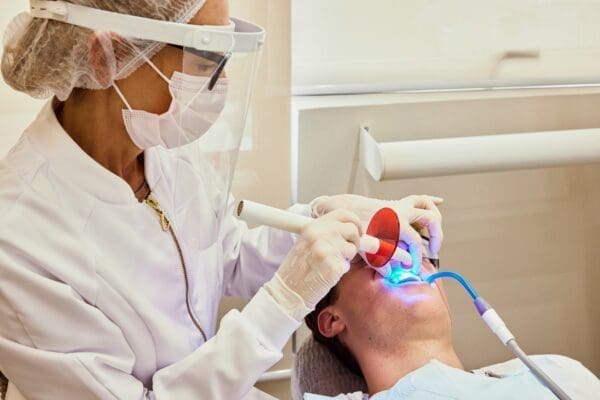
- A light hardens the sealant within seconds
The National Institute of Dental and Craniofacial Research reports that sealants can prevent most cavities in back teeth for many years. They are common for children once the first and second molars come in. They also help teens and adults who have deep grooves or a history of decay.
You still need to brush and floss around sealants. The sealant only covers the top chewing surface. Your other tooth surfaces still need care each day. Even so, you face fewer fillings and less drilling over time.
3. Lower Long-Term Costs And Less Time In The Chair
Fluoride and sealants cost less than fillings, crowns, and root canals. They also cost less in time, stress, and missed school or work. A short visit for sealants or fluoride treatment can prevent many longer visits later.
Example comparison of preventive care and treatment care
| Service type | Typical visit time | Average cost level | Comfort level |
|---|---|---|---|
| Fluoride treatment | 5 to 10 minutes | Low | High |
| Dental sealant | 10 to 20 minutes per tooth group | Low to medium | High |
| Filling for a cavity | 30 to 60 minutes | Medium | Medium |
| Crown or root canal | Multiple visits | High | Lower |
These numbers vary by clinic and plan. The pattern stays the same. Preventive care is shorter, easier, and cheaper than treatment care. Children miss fewer classes. Parents miss fewer work hours. You feel calmer during visits because you expect quick care instead of urgent treatment.
This planning also protects your budget. Fluoride and sealants are often covered by insurance, especially for children. Even without coverage, the one-time cost is usually less than the cost of treating even one serious cavity.
4. Longer Life For Past Dental Work
Many adults already have fillings, crowns, or other dental work. Fluoride and sealants help protect that investment. Stronger tooth enamel around a filling keeps the edges from breaking down. Sealants on nearby teeth keep new cavities from forming next to old work.
This protection matters as you age.
- Gums may pull back and expose more tooth surface
- Dry mouth from medicine can increase decay
- Manual brushing may become harder for some people
Fluoride helps defend those vulnerable spots. Sealants cut down on new decay on chewing surfaces. Both treatments support your daily habits. They do not replace brushing, flossing, or cleanings. They strengthen the effect of each step.
How To Decide What Your Family Needs
You and your dentist can build a simple plan. Start with three questions. How many cavities have you or your child had? How easy is it to brush and floss well each day? How much sugar and starch do you eat or drink?
If your risk is high, fluoride and sealants become even more helpful. Children with a history of decay often gain the most from sealants. Adults with dry mouth or many fillings often gain the most from fluoride. Your dentist can adjust timing and type of treatment based on your answers.
You can ask direct questions during your visit.
- Which teeth would benefit from sealants right now
- How often should I get fluoride treatments
- What can I change at home to support these treatments
These simple steps give you clear control. You move from reacting to tooth pain toward preventing it. You also teach children that caring for teeth is steady, simple, and worth the effort.
Similar Posts:
- 6 Preventive Treatments Dentists Recommend For Families
- The Connection Between Function and Aesthetics in Dental Care
- The Science Behind the Perfect Smile: What You Need to Know
- 4 Ways Implant Dentistry Restores Confidence And Function
- The Importance Of Preventive Screenings For Long Term Dental Wellness