The Benefits of Living in a Master-Planned Community
Master-planned communities (MPCs) are thoughtfully designed residential areas where residents enjoy a unique blend of comfort, convenience, and connected living. Known for integrating homes, amenities, and essential services, these communities offer a cohesive environment that stands apart from traditional neighborhoods. For those seeking brand new homes in Riverview FL, MPCs represent an attractive lifestyle option worth exploring.
The concept behind master-planned communities is to create a place where living goes beyond the physical home, shaping a lifestyle that prioritizes wellness, activity, and social connection. Residents benefit from a carefully laid out environment, complete with recreational spaces, safe streets, and a vibrant community life.
In recent years, more homebuyers have been turning to MPCs because of the advantages they offer over conventional developments. By focusing on long-term planning, aesthetic design, and integrated services, these communities significantly enhance the daily experience for families, retirees, and individuals alike.
Understanding the core features and unique benefits of MPCs can help buyers make informed decisions about where to settle and invest. With amenities, convenience, and property value at the forefront, the appeal of these communities continues to grow across the United States.
Comprehensive Amenities and Facilities
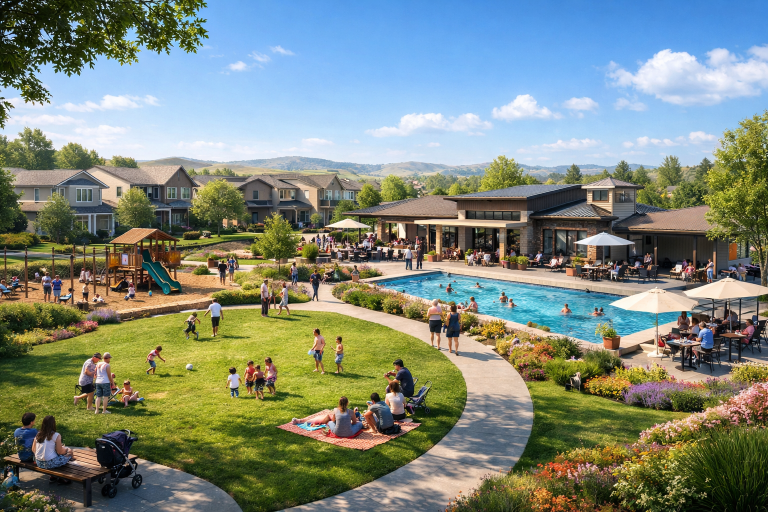
One of the most appealing aspects of master-planned communities is the extensive range of on-site amenities. Residents often enjoy access to swimming pools, parks, fitness centers, playgrounds, sports courts, and well-maintained walking or biking trails. These facilities are designed to promote health and recreation for people of all ages, helping individuals and families lead active, connected lives.
In addition to recreational offerings, many MPCs provide clubhouses, community centers, and event spaces where neighbors can gather for activities and celebrations. This comprehensive approach adds value and encourages more social, fulfilled lifestyles. Major publications such as Architectural Digest have noted the increasing popularity of these amenities as key drivers for homebuyers seeking more than just a place to live.
Fostering a Strong Sense of Community
Master-planned communities are purposely laid out to foster social interaction and community spirit. Developers often include gathering spots such as parks, outdoor plazas, and communal gardens, where residents regularly cross paths. Planned neighborhood events, from seasonal festivals to food truck nights and fitness classes, offer frequent opportunities for people to connect.
Social clubs, activity groups, and organized volunteer efforts are common, making it easier for newcomers to get involved and make friends. The strong sense of belonging that arises from such interactions contributes significantly to residents’ satisfaction and positive mental health. Studies have shown that people living in close-knit communities frequently report higher levels of happiness and well-being compared to those in less organized settings.
Thoughtful Urban Design
MPCs are meticulously planned to integrate residential, commercial, and recreational areas, balancing green spaces with efficient infrastructure. Neighborhood layouts are designed to reduce traffic, encourage walking or biking, and create visually appealing streetscapes. Common spaces and natural elements, such as tree-lined sidewalks, scenic ponds, and community gardens, create appealing, tranquil surroundings.
This attention to design also helps limit urban sprawl, concentrating development to maintain harmony among buildings, green spaces, and amenities. As outlined by The New York Times, many MPCs focus on sustainability and environmental stewardship, further boosting their long-term appeal and livability.
Convenience and Accessibility
Life in a master-planned community (MPC) is designed to provide greater convenience, comfort, and efficiency for residents of all ages. Many communities include integrated commercial areas featuring grocery stores, restaurants, medical clinics, fitness centers, schools, and other essential services located within or near the neighborhood. This thoughtful layout reduces travel time for everyday errands, school drop-offs, appointments, and dining, making daily routines more manageable for busy families and professionals. Accessibility is further improved through pedestrian-friendly walkways, bike paths, shuttle services, and convenient access to major highways. By seamlessly blending residential living with essential amenities, master-planned communities help residents save time, reduce stress, and enjoy a more balanced and connected lifestyle.
Higher Property Value Stability
Homes in master-planned communities are often perceived as more desirable, leading to stronger demand and greater value retention over time. The combination of location, amenities, and community integrity means properties tend to weather market fluctuations more effectively than homes in less-regulated, piecemeal developments.
Buyers in MPCs can feel more confident in their investment, with the added benefit of attractive landscaping, consistent maintenance, and neighborhood appeal all contributing to sustained property values. This can be especially important for young families or retirees interested in long-term growth or resale opportunities.
Enhanced Security Measures
Security is a defining advantage of many master-planned communities (MPCs), contributing significantly to resident comfort and overall quality of life. Features such as gated entrances, surveillance cameras, private security patrols, controlled access points, and neighborhood watch programs work together to create a safer living environment. These measures help deter unauthorized access and provide residents with greater confidence in their surroundings. Families often appreciate the ability to let children play outdoors, while individuals can enjoy walking trails, parks, and shared amenities with added peace of mind. A secure environment also strengthens community connections, encouraging social interaction, trust among neighbors, and a welcoming atmosphere that supports long-term residential satisfaction.
Conclusion
Master-planned communities continue to attract homebuyers and renters by combining convenience, thoughtfully designed neighborhoods, modern amenities, and strong long-term value. These communities often feature parks, walking trails, recreational facilities, quality schools, and nearby shopping and dining options, creating an environment that supports both comfort and connectivity. Carefully planned infrastructure and community spaces encourage social interaction while promoting safety and an enhanced quality of life. In addition to offering an appealing lifestyle, master-planned communities can contribute to property value stability through consistent development standards and ongoing maintenance. For individuals and families seeking a well-rounded place to live, an MPC represents both a rewarding residential choice and a smart long-term investment.