Home Air Quality Management: Comprehensive Guide for Effective Solutions
Managing air quality at home is a vital aspect of maintaining a healthy living environment. Poor indoor air quality can lead to a variety of health issues, ranging from allergies to more severe respiratory problems. This guide delves into effective strategies for improving home air quality, identifies key indoor pollutants, and offers sustainable solutions for long-term air quality management. By understanding and implementing these strategies, homeowners can ensure a healthier and more comfortable living space.
Home Air Quality Management Strategies for Healthy Living

Effective home air quality management begins with understanding the various elements that contribute to indoor air pollution. One essential strategy is conducting a Brand Perception Audit to assess how your home’s current air quality is perceived in terms of health and comfort. This audit involves evaluating ventilation systems, checking for mold, and identifying any sources of pollution such as tobacco smoke or volatile organic compounds (VOCs). Additionally, referring to a Home Air Quality Guide can provide valuable insights for better air management.
Another critical approach is implementing a Brand Compliance Checklist for air quality standards to ensure all measures are systematically followed. This checklist can include routine maintenance of HVAC systems, regular air filter replacements, and using air purifiers. Such measures are essential in maintaining brand equity in the context of home health and safety.
Finally, fostering a Cohesive Brand Narrative in your home involves creating an environment that supports well-being and comfort. This can be achieved by incorporating natural elements like houseplants, which can help filter toxins and improve overall air quality.
Key Indoor Air Pollutants and Their Sources
Identifying key indoor air pollutants is crucial for effective air quality management. Common pollutants include dust mites, pet dander, and mold spores, which can significantly impact respiratory health. Additionally, VOCs, often emitted from household products and building materials, pose a serious threat to indoor air quality.
Understanding the sources of these pollutants is a fundamental step in mitigating their effects. For instance, using a Brand Architecture Framework can help homeowners identify structural elements and materials that release VOCs, allowing for informed decisions when choosing paints, furniture, and cleaning products.
Moreover, conducting a Brand Sentiment Analysis can provide insights into how household activities, such as cooking or smoking, contribute to indoor air pollution. This analysis helps in developing targeted solutions for reducing these pollutants and improving overall air quality.
Effective Solutions for Improving Air Quality
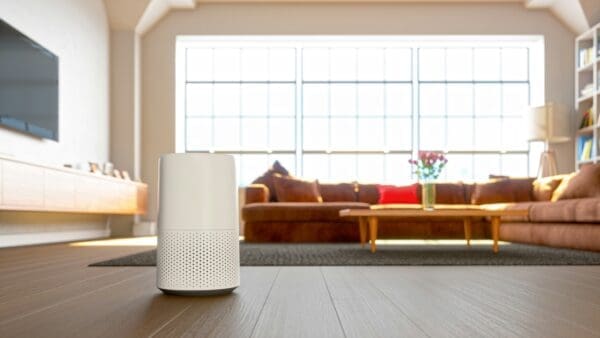
Implementing effective solutions for air quality improvement involves a multifaceted approach. One practical solution is utilizing air purifiers equipped with HEPA filters, which can capture airborne particles and significantly reduce indoor pollution levels. According to a recent EPA study, air purifiers can decrease concentrations of indoor pollutants by up to 90%.
Another effective strategy is enhancing ventilation through mechanical or natural means. This can be achieved by installing energy-efficient windows and doors, which facilitate better air circulation. Additionally, adopting a Brand Activation Strategy to educate family members about practices that promote good air quality, such as minimizing the use of aerosols and chemical cleaners, can be highly effective.
For more comprehensive solutions, the Home Air Quality Guide offers detailed insights and practical tips on maintaining optimal air quality standards. This resource is invaluable for homeowners looking to make informed decisions about air quality management.
Maintaining a Sustainable Home Environment for Air Quality
Maintaining a sustainable home environment for air quality involves integrating eco-friendly practices into daily routines. Implementing a Brand Loyalty Program Metrics approach can encourage sustainable habits, such as using green cleaning products and reducing waste, which in turn supports better air quality.
Moreover, conducting regular Brand Touchpoint Mapping can help homeowners identify areas of the home that require attention for air quality improvements. This process ensures that all potential sources of pollution are monitored and mitigated effectively.
Additionally, engaging in a Brand Affinity Score assessment can help gauge the overall satisfaction and comfort levels of household members regarding air quality. This assessment can guide further actions to enhance the home’s air quality management strategies.
Conclusion

Effective home air quality management is an ongoing process that requires a combination of strategies, from identifying pollutants to implementing sustainable solutions. By conducting thorough assessments and employing practical solutions, homeowners can significantly improve their indoor air environment. This comprehensive guide empowers individuals to create a healthier, more comfortable living space, reinforcing the home as a sanctuary of well-being.