Snacks, Stops, and Sanity: A Family Guide to the Long Drive of a State Move
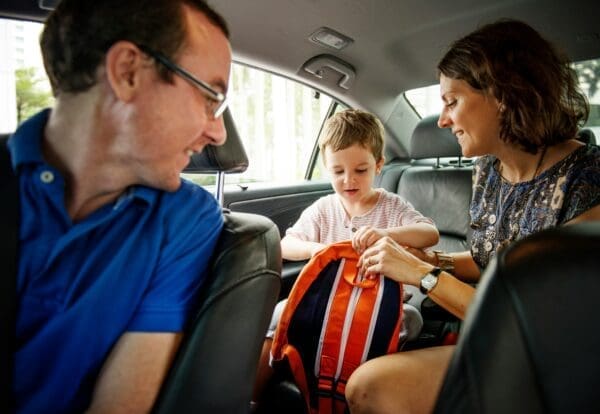
There’s a particular moment of a long-distance family move that nobody really prepares for. The packed truck has pulled out of the driveway. The neighbors have waved goodbye. The kids are buckled in the back seat with their favorite stuffed animals and a pile of devices, and there are 1,200 miles between here and the new house.
Then the kid in the back asks how much longer. Twelve minutes into the drive.
Cross-country moves come with checklists for boxes, paperwork, and movers, but the long-haul drive itself often gets treated as an afterthought. The single best small upgrade most families can make is the snack bag, and the bag earns its keep when it leans into protein and skips the sugar crashes. Sugary snacks spike energy for an hour and then leave kids melting down at hour four. Crunchy, protein-forward options hold longer. That’s why something like pork crackling snacks tends to outperform a typical bag of chips on a long drive: same satisfying crunch, almost no carbs, real protein, and no melting in the car. Round it out with jerky, trail mix, and dried fruit, and the bag holds the whole crew through the long stretches between meal stops.
That’s just one piece, though. The drive deserves its own plan, alongside the rest of the move. Here’s how to think about all of it.
Help the Kids (Even the Ones Who Say They’re Fine)
A long drive on top of a major life change is hard on kids, especially the older ones, who often hold their feelings close. The American Academy of Child and Adolescent Psychiatry notes that older kids and teens can struggle more with a move than younger children, because friend groups and identities are so tied to where they live.
A few things help in the days leading up. Talk through the route together so it doesn’t feel like the unknown. Let kids pick out their own road-trip activities. Let them choose a couple of favorite snacks for the bag. Pack each kid’s “transition box” of beloved items that will travel with them, not on the truck.
Younger kids tend to do better on long drives with a few small surprises spread across the day. A new coloring book pulled out at hour three. A small toy at hour five. The novelty resets the meter.
Plan the Move Before You Plan the Drive
The drive doesn’t exist in a vacuum. It happens after weeks of packing, paperwork, and decisions, and it lands the family on the other side of one of the bigger transitions a household goes through.
For families who’ve never done a state-to-state move before, working through a thorough first time moving to another state guide before the drive begins handles the logistics piece. These resources walk through the things first-timers don’t always think about: how delivery windows work when the truck is multi-day, what registration and license deadlines look like in the new state, why moving costs aren’t always tax deductible the way people assume, and how to time the drive itself around the truck’s arrival.
Get the basics locked in first. Mail forwarding through USPS, school transcripts requested, driver’s licenses and registrations on the to-do list for the new state, and the moving company’s delivery window understood. Long-distance movers usually give a delivery spread of several days rather than a fixed date, which means the drive needs to land the family at the new place either before the truck or with somewhere to stay until it shows up.
Knowing all of that ahead of time means the drive can be the drive, not a rolling crisis-management session.
The Snack Bag: A Few More Tips
The snack bag is the most underrated tool in the whole operation. Beyond what’s already in there, a few more things to think about when packing it.
Skip anything that melts, crushes, or sweats. Chocolate, soft fruit, anything with a delicate frosting. Those don’t make it through a long drive.
Stay in the protein-forward, low-sugar zone as much as possible. The reason is simple: kids (and parents) crash hard a couple of hours after a sugary snack, and the back seat is the last place anyone wants a hangry meltdown. Pork rinds, jerky, cheese sticks, and seeds keep blood sugar steady and fill kids up the way pretzels and gummies don’t. Apples and peanut butter packets are a solid middle ground when something a little sweeter is needed.
Bring more water than feels necessary. The car runs dry faster than expected, and gas-station drinks add up fast for a family of four or five.
Keep one “emergency” snack stash that doesn’t get touched until things truly go sideways. A surprise treat at hour nine, when everyone’s tired and a little brittle, can absolutely save a marriage.
The Drive Itself
The drive deserves its own planning, separate from everything else.
Build the route around real stops, not just gas stations. NHTSA’s road trip safety tips lay out the basics every family should review before a long haul: never leave kids alone in a parked car, plan stops to stretch and switch drivers, keep the gas tank close to full, and pack a roadside emergency kit. Boring, sure. But every one of those tips is in there because someone, somewhere, learned the hard way.
A practical drive rhythm for families: stop every two to three hours, even if no one’s complaining. Walk around the rest area, eat a real snack, and change drivers if there are two. Force the break. Kids do better. Drivers do better. The whole car does better.
If the drive is more than a single day, book the hotel ahead of time. Showing up exhausted at 11 p.m. with three kids and no reservation is a special kind of stress no one needs.
The First Night in the New Place
If the drive ends at the new house and the moving truck hasn’t arrived yet (which happens often on long-distance moves), have a backup plan. A hotel for the first night isn’t a failure. It’s a smart hedge against the “we have no beds yet” scenario.
If the truck is already there, prioritize getting the kids’ beds set up first and then a basic kitchen kit (one pot, a few plates, and the coffee maker). The rest can wait.
And keep the snack bag handy. It’s not done working yet.
You Made It
The drive of a cross-country move is the moment a lot of people remember most clearly years later. The weird gas station in the middle of nowhere. The argument about whose turn it was for the headphones. The exact moment a kid finally fell asleep against the window. The first sight of the new neighborhood.
It’s hard. But it’s also the start of something, and a good snack bag really does help.