Signs Your Roof Needs Repair or Replacement
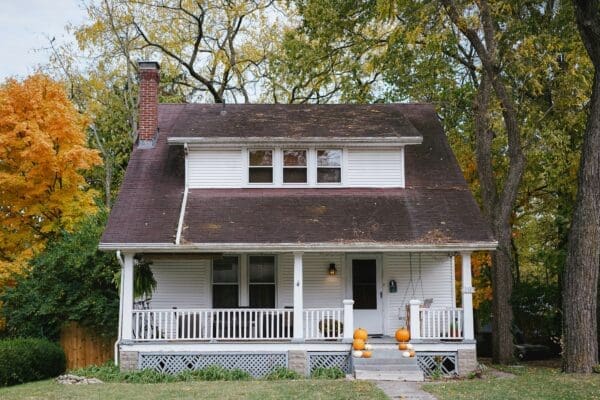
Your home’s roof is one of the most important parts of your house, serving as the first line of defense against rain, wind, snow, and other environmental elements. Its strong, durable structure protects your belongings, keeps your family safe, and maintains your home’s overall value. However, no roof lasts forever—over time, even the sturdiest roofs will begin to show signs of wear, vulnerability, and potential damage. Understanding and addressing these early warning signals is crucial. Timely repairs can save you from more extensive and expensive problems down the road, such as water intrusion or even total roof failure. If you’re unsure about the current state of your roofing system, reaching out to a reliable roofing and solar contractor for an inspection is always a smart first move. These specialists possess the knowledge and equipment to identify and address any hidden or emerging issues accurately.
Delaying roof maintenance is risky. Overlooked roof problems can lead to serious structural damage, interior water leaks, ruined insulation, and health hazards such as mold and mildew. They can also impact the appearance and value of your property, making it less attractive to potential buyers and decreasing its curb appeal. Proactively catching problems increases your peace of mind—it keeps your family comfortable and protected, helps you manage your energy usage more efficiently, and saves money in the long run. Below, we highlight the most common signs indicating your roof may require repair or replacement, and explain the steps you should take if you observe any of these conditions.
Age of Your Roof
One of the most basic—but important—factors in roof health is its age. Every roofing material has a typical lifespan: asphalt shingles usually last 20–30 years, wood shakes might survive about 20 years, and modern metal or tile roofs can last much longer if properly maintained. If your roof is approaching or beyond its recommended life expectancy, you should be extra vigilant for other warning signs of deterioration, even if the roof appears intact. Older roofs are more vulnerable to subtler issues, such as softening of the decking beneath the shingles or damaged underlayment, both of which can invite moisture, pests, or further deterioration. Knowing the age of your roof helps you anticipate when to budget for repairs or a full replacement, and allows you to seek advice from a skilled roofing professional at the right moment.
Missing, Cracked, or Curling Shingles
Shingle damage is one of the easiest indicators of a roof in distress. Missing shingles leave the roof vulnerable to leaks and weather damage, while cracked ones can no longer protect against moisture. Curling shingles, often caused by age, improper installation, or inadequate ventilation, are another red flag. These flaws might seem minor at first, but they rapidly worsen with exposure to wind, rain, or freeze-thaw cycles common in many climates. Damaged shingles allow water to penetrate the surface, increasing the likelihood of rot, mold growth, and interior water stains. Regularly examining your roof—especially after storms—for these issues and promptly replacing compromised shingles will protect the longevity and integrity of your entire roofing system.
Granules in the Gutters
Granules are the tiny, sand-like particles coating the surface of asphalt shingles. They shield your roof from the sun’s damaging ultraviolet rays and provide additional protection from harsh weather. As shingles age, they begin to lose granules, especially after storms or high winds, which often end up in your gutters. If you notice excessive granules in your gutter channels or at the base of your downspouts, your shingles are deteriorating and are much less effective at protecting your roof structure. A lack of granules means an increased risk of leaks, discoloration, and even holes forming in the roof surface. Frequent gutter checks, especially after weather events, can help you catch this since it may not be visible from ground level.
Water Stains on Ceilings or Walls
Discoloration, brown rings, or water spots appearing on your ceilings or upper walls almost always signal a leaking roof. These leaks can be insidious, sometimes developing slowly over time before any obvious symptoms appear. In addition to causing unsightly stains, ongoing water entry can encourage the growth of mold, mildew, and bacteria—all of which are hazardous to your health. Moisture intrusion can also compromise drywall, insulation, and even electrical systems, resulting in a range of costly repairs. Addressing leaks sooner rather than later is essential for maintaining the structural integrity of your home and preventing secondary issues from developing.
Sagging Roof Deck
A sagging or bowing roof deck can be a deeply concerning sign, indicating either water damage or inherent structural problems, such as poorly installed rafters or aging joists. This typically occurs when water seeps past shingles and underlayment, saturating the decking material (typically plywood or oriented strand board, or OSB) and causing it to weaken or rot, which may eventually lead to structural failure. Even a subtle dip or curve in the roofline should trigger immediate concern. If this issue is not addressed promptly, it may impact not only the roof but also the entire house structure, resulting in costly reconstruction and potential safety hazards. Calling a professional roofer for an in-depth evaluation is crucial to prevent further damage.
Daylight Through Roof Boards
Another sign that shouldn’t be overlooked is the presence of daylight in your attic. If, during a roof inspection, you see beams or patches of sunlight coming through the attic ceiling or along the ridge, this indicates there are gaps, cracks, or holes in your roof structure. These voids may be the result of cracked, missing, or deteriorating roofing materials, providing a direct path for water, pests, and cold air to enter your home. Such vulnerabilities compromise your indoor climate and comfort, and can further damage insulation and other attic components.
Moss or Algae Growth
Green patches of moss or dark streaks of algae may seem purely cosmetic, but these organisms can create significant roofing problems over time. Moss thrives in damp, cool environments and holds moisture close to your shingles, which accelerates the breakdown of roofing materials, especially asphalt or wood. Algae deposits can stain your roof, making your home look older and less attractive. Left unchecked, moss buildup will also loosen and lift shingles, clog gutters, and cause water pooling issues. Routine cleaning, using approved moss removers or gentle washing, as well as maintaining good roof drainage by keeping gutters clear, are important preventive measures to ensure the lifespan of your roof.
Increased Energy Bills
Many homeowners are surprised to learn that spikes in their energy bills can be related to roof issues. As roofing materials degrade, they lose their insulating capability, making it harder for your home to maintain stable indoor temperatures. Poorly sealed attics, gaps in roof decking, or failing underlayment will cause your heating and cooling systems to work harder than necessary. Noticing a steady increase in your energy costs—particularly when accompanied by other signs of roof distress—could indicate it’s time to look at repairs or even a roof replacement. Improved roof ventilation or upgraded insulation can help restore comfort and reduce utility expenses.
Regular Inspections and Next Steps
Routine roof inspections play a huge role in preserving your home’s structure and protecting your investment. After severe storms, high winds, or significant snowfall, perform a thorough visual check from the ground or, if possible, from a safe vantage point. At least once a year, schedule a professional inspection so that trained experts can catch hidden or hard-to-spot issues. If you notice any warning signs—such as missing shingles, leaks, stains, or sagging—don’t delay in getting professional guidance. Reputable roofing contractors can provide detailed assessments and help you determine whether repairs are sufficient or if a full replacement is the best course of action. Taking these steps keeps your home safe, maintains its value, and gives you the peace of mind to enjoy your home for years to come.