The Role of Urban Trees in Building Healthier Communities
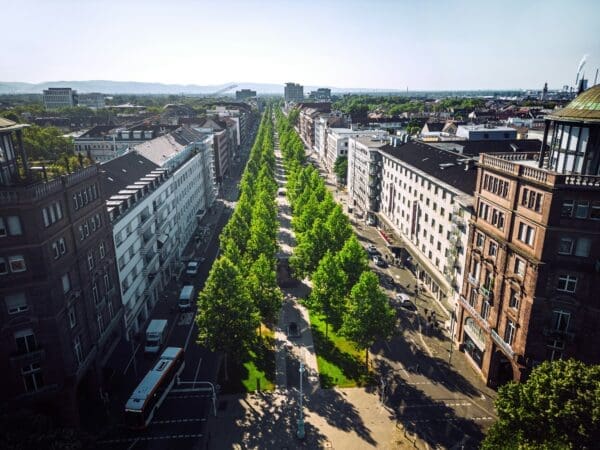
Urban trees are more than just decorative additions. They serve as critical infrastructure for healthy, vibrant city life by providing environmental, health, and social benefits that touch everyone in a community. Their presence transforms neighborhoods, supporting both human and ecosystem health. Click here to discover how expert tree care services can further enhance your local environment.
From cleaner air to cooler streets, trees offer a wide range of benefits for both urban residents and the natural world. Increasingly, urban planners and public health officials are recognizing urban trees as essential tools in combating pollution, rising temperatures, and mental health challenges. By protecting and expanding urban canopies, cities can foster healthier, more resilient communities and promote sustainability for future generations.
The relationship between trees and cities is also a reflection of social priorities. Thoughtful investment in tree planting can help address legacies of inequity and environmental injustice by focusing resources on underserved neighborhoods. This investment yields significant health returns and creates more inviting, livable places for everyone.
The story of urban trees is more than just one of planting. It is about long-term care, equitable access, and active engagement from communities. As the world continues to urbanize, the need to integrate trees into the urban fabric has never been clearer.
Trees are powerful natural air filters that absorb pollutants such as nitrogen oxides, ozone, and particulate matter, ultimately improving urban air quality. Their leaves and branches trap dust, reducing respiratory problems that are common in urban settings. Additionally, trees release oxygen, which is essential for healthy urban living. By mitigating harmful emissions and replenishing the air, they act as a city’s “green lungs.”
Urban heat can be intense due to concrete and asphalt absorbing and radiating heat, a phenomenon known as the urban heat island effect. Trees counteract this effect by providing shade and cooling the air through a process called transpiration, where water is released from leaves into the atmosphere. This natural cooling can decrease energy consumption for air conditioning, saving residents money and reducing greenhouse gas emissions. Research by the Environmental Protection Agency further explains how urban trees moderate temperatures and help create healthier urban environments.
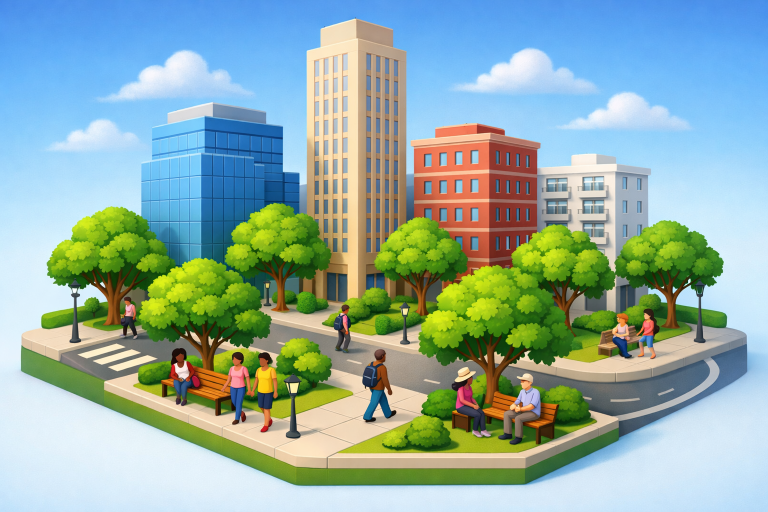
The benefits extend beyond temperature and air quality. Trees help manage stormwater by absorbing rain, reducing runoff, and lowering flood risks. Their roots stabilize soil and prevent erosion, key factors in maintaining healthy city landscapes. In diverse urban ecosystems, trees also provide habitat for birds and insects, supporting city biodiversity.
Mental Health and Well-being
Access to green spaces, including treed neighborhoods and parks, has been consistently linked with mental well-being. Numerous studies show that being around trees reduces stress, lowers blood pressure, and supports faster recovery from illness. For instance, research published by the American Psychological Association highlights that nature exposure plays a fundamental role in mental and emotional health.
Even small increases in urban tree density can make a remarkable difference in residents’ perception of health and happiness. One study found that planting just ten additional trees on a city block made residents feel as if they were seven years younger and improved their self-reported health status. The positive psychological impact of trees is significant, reaching all age groups and income levels.
Tree Equity and Environmental Justice
The way trees are distributed throughout a city often mirrors social and economic disparities. Typically, wealthier neighborhoods enjoy denser and healthier tree canopies, while historically marginalized or underfunded areas lack this green infrastructure. This imbalance not only reflects a lack of investment but also perpetuates health disparities. Lower-income communities without sufficient tree cover experience hotter summers, worse air quality, and diminished mental health benefits.
Addressing these disparities requires intentional strategies to identify and prioritize neighborhoods most in need of tree investment. Innovative mapping tools and equity frameworks are increasingly used to guide public planning and funding. Programs that bring trees to communities facing historical neglect play a key role in advancing environmental justice and community health.
Case Studies of Community Initiatives
Several cities across the United States offer compelling examples of how community-driven tree initiatives can enhance urban health. In Philadelphia, the Deeply Rooted program has planted over 1,000 new trees and transformed over 1 million square feet of vacant lots into green spaces, leading to improved neighborhood health markers and vibrant public spaces. More information about this initiative can be found on the Center for Health Care Transformation and Innovation website.
The Green Heart Louisville Project also demonstrates the effectiveness of large-scale, equitable tree planting. By introducing thousands of trees in underserved parts of the city, the project led to tangible reductions in air pollution and measurable improvements in cardiovascular health among residents. Such cases underscore the importance of collaboration between local governments, nonprofits, and communities to achieve sustainable impact.
Challenges in Urban Tree Planting
Planting trees in urban environments comes with unique challenges. Space for tree growth is often limited by infrastructure, such as roads and utilities, and available soils may be contaminated or compacted. Another hurdle is the ongoing cost of maintenance, including watering, pruning, and caring for young trees to ensure they thrive. Without consistent care, many saplings fail to survive past their first few years.
Effective community engagement is needed to overcome resistance to change, secure buy-in from residents, and prevent vandalism or neglect. Success relies on not just planting trees but fostering a sense of ownership and participation within the neighborhood.
Strategies for Effective Urban Forestry
Successful urban forestry programs leverage a mix of scientific insight, policy support, and community involvement. Municipalities can enhance their urban tree canopies by making tree planting and preservation a part of regular city planning activities, securing funding streams, and involving local residents in both planting and ongoing tree care. Partnerships with nonprofits and schools also offer opportunities for education and workforce engagement.
Proactive maintenance strategies are essential. Regular watering, soil management, and professional care can significantly increase tree survival and the longevity of urban forests. Policies that protect mature trees during development and incentivize planting in priority neighborhoods are also crucial for maintaining and growing urban canopies.
Conclusion
Urban trees are not merely optional amenities; they are foundational to public health, environmental equity, and community resilience. By prioritizing the health of urban forests and ensuring tree benefits reach all residents, cities can improve air quality, lower summer temperatures, and boost the well-being of everyone. Collaborative planning, equitable investment, and sustained community engagement are the keys to unlocking the full potential of urban greenery for healthier cities today and in the future.