Reducing Home Energy Bills with Smart Insulation
Finding innovative ways to manage rising energy costs is more crucial than ever for homeowners. One powerful solution lies in upgrading home insulation using advanced, smart technologies. These improvements don’t just reduce monthly expenses—they also enhance comfort and increase home value. If you’re planning to upgrade your property or prepare it for sale, integrating these effective strategies ahead of time can be a valuable asset to help sell home. Implementing smart insulation strategies offers numerous benefits, including lower energy bills, enhanced indoor air quality, and a reduced environmental footprint. As utility costs surge, embracing solutions like smart insulation positions you to enjoy both immediate savings and long-term sustainable living.
Understanding Smart Insulation
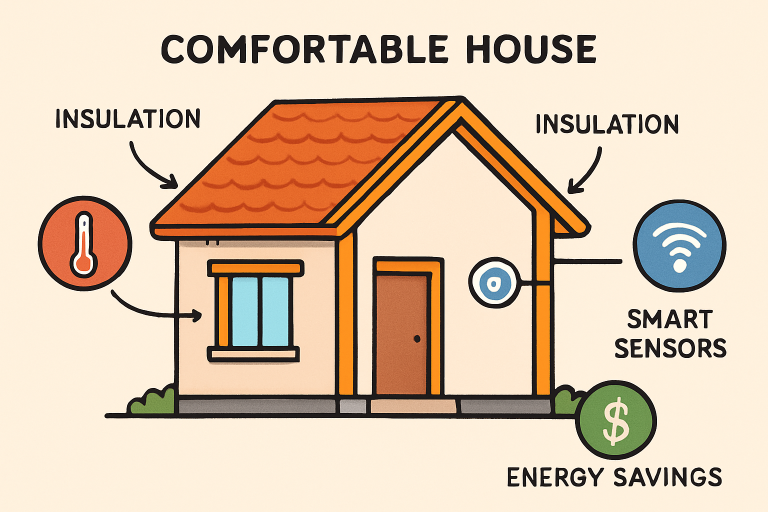
Smart insulation systems are redefining home energy management. Unlike conventional approaches, they combine cutting-edge materials and built-in digital features—such as temperature sensors, humidity monitors, and integrated controls. These innovations automatically adapt to environmental changes, optimizing indoor temperatures and airflow while managing humidity levels that could otherwise promote mold and mildew growth. For homeowners, this means consistent comfort, protection from the elements, and confident energy savings—regardless of the season. Additionally, with a compelling cash offer, homeowners can more easily invest in these advanced systems to enhance energy efficiency and home comfort.
Benefits of Smart Insulation
When incorporated thoughtfully, smart insulation yields impressive rewards:
- Energy Efficiency: Smart insulation limits both heat loss in winter and excess heat gain in summer. Your HVAC system doesn’t have to work as hard, which reduces overall energy use.
- Cost Savings: Energy-efficient homes typically enjoy lower monthly energy bills—some may save up to 30% or more on heating and cooling costs, according to the U.S. Department of Energy.
- Enhanced Comfort: With fewer drafts and temperature fluctuations, occupants enjoy steady, pleasant temperatures and improved air quality throughout the home.
- Environmental Impact: Smarter energy usage reduces your household’s carbon footprint, helping to lower demand for fossil fuels and emissions.
Innovative Insulation Materials
Recent advancements have delivered materials that are not just more efficient but also more sustainable:
- Aerogels: Extremely lightweight and highly efficient, aerogels have an incredibly low thermal conductivity—making them ideal for tight spaces and challenging retrofits.
- Hempcrete: This hemp-based, carbon-negative material insulates while also absorbing CO2 from the atmosphere.
- Cellulose, made from recycled paper products and treated for fire resistance, is an environmentally friendly option with robust insulating properties.
Integrating Insulation with Smart Home Technology
The full potential of home insulation is realized when paired with smart home automation. For example, thermostats that “learn” your daily routines automatically adjust heating and cooling for efficiency when rooms are occupied or vacant. Energy management systems provide data-driven insights into your household’s consumption, highlighting areas for further improvement. Leading options from brands make it easier than ever to fine-tune temperatures and track savings, ensuring you get the most out of your insulation investment.
Government Incentives and Tax Credits
Federal and local governments encourage homeowners to invest in energy-efficient upgrades through various incentives. For example:
- Energy-Efficient Home Improvement Credit: Homeowners may claim up to $3,200 per year for upgrades, including insulation. The program reimburses up to 30% of eligible expenses through 2032.
- Weatherization Assistance Program: This program helps low-income families improve energy efficiency, providing free insulation upgrades and related services (DOE Weatherization Assistance).
Eligibility, application steps, and covered improvements may vary, so it’s best to check official resources or consult a professional to maximize your benefits.
Steps to Upgrade Your Home Insulation
- Conduct an Energy Audit: Utilize professional or DIY energy assessments to identify efficiency gaps, particularly in areas such as attics, walls, basements, and crawl spaces.
- Research Materials: Match modern insulation products to your needs, taking into account cost, sustainability, and performance.
- Consult Professionals: Certified insulation contractors ensure quality installation and compliance with building codes.
- Integrate Smart Technology: Upgrade to smart thermostats and energy management systems to amplify the effects of your upgrades.
- Apply for Incentives: Investigate and apply for all available tax credits and rebates to lower your investment outlay.
Conclusion
Upgrading to smart insulation is one of the most effective strategies homeowners can use to reduce their utility bills and improve overall comfort. Modern materials and smart integrations not only lower energy use but also support a healthier planet. By harnessing available technologies, government incentives, and professional expertise, you can enjoy immediate cost savings and add lasting value to your home.