Planning Your First Caribbean Vacation: Essential Tips and Insights for a Smooth Trip

Planning a Caribbean vacation for the first time requires understanding key travel details that can impact the experience. Many first-time visitors focus on choosing the right island, but equally important are factors like weather, local culture, and travel documentation. Being informed about these essentials helps avoid common pitfalls and makes the trip smoother and more enjoyable.
Popular Islands and Hidden Gems
Well-known islands like Aruba, Barbados, Jamaica, and The Bahamas attract visitors with established resorts and vibrant nightlife. Nassau in The Bahamas and Oranjestad in Aruba are hubs for shopping and dining. St. Lucia features the striking Pitons, while Grenada is known as the Spice Island for its aromatic plantations.
Smaller or less-visited spots such as Bonaire and Martinique appeal to travelers seeking tranquility and nature. The US Virgin Islands provide variety, with each island offering different experiences—there’s a detailed guide for deciding the best virgin island to visit. Turks and Caicos boast stunning beaches like Grace Bay, while Half Moon Bay offers peaceful seclusion.
Planning Your Trip and Travel Logistics
Organizing a Caribbean vacation involves balancing costs, travel details, and timing. Selecting the right flights and accommodations depends on budget and preferences, while itinerary planning shapes the overall experience. Ensuring proper documentation and insurance protects against unexpected issues.
Travel Costs and Budgeting
Travel costs vary widely across the Caribbean, influenced by the island, season, and type of accommodations chosen. All-inclusive resorts and luxury resorts generally cost more upfront but can simplify budgeting by including meals and activities.
Budget for transportation expenses like taxis or renting a car, which is practical on larger islands or to explore beyond resort areas. Some islands require additional fees for tourism or environmental taxes.
Plan daily expenses carefully, accounting for meals outside the resort, excursions, and souvenirs. Using a clear budget helps avoid overspending and ensures a smooth trip.
Booking Flights and Accommodations
Flight prices fluctuate seasonally; booking 2-4 months ahead usually offers the best deals. Consider direct flights for convenience or connecting flights for potential savings. The main airports vary by destination and can impact transportation logistics upon arrival.
Accommodations range from budget-friendly guesthouses to upscale all-inclusive resorts and luxury resorts. Those interested in cruise vacations should explore options based on the best disney cruise ship to combine sea and island experiences.
How Long to Stay and Itinerary Planning
A Caribbean vacation typically lasts 5-10 days to balance travel time and relaxation. Shorter stays can focus on resort activities, while longer trips allow for island exploration and side trips.
Using local transportation or renting a car expands access to remote areas and provides independence. On some islands, shuttle services or taxis suffice, minimizing the need to drive.
Travel Insurance and Documentation
Protecting the trip with travel insurance is essential, covering medical emergencies, trip cancellations, and lost belongings. Ensure the policy covers specific activities planned, such as water sports or boat excursions.
Passengers should verify passport validity (usually at least six months beyond travel dates) and check visa requirements for the chosen destination. Health requirements, including vaccinations, should be confirmed ahead of time.
Essential Tips for First-Time Caribbean Travelers
Travelers should focus on practical health and safety measures, as well as respect for local laws and customs. Knowing what to pack and how to act can prevent common issues. Awareness of specific destinations like Puerto Rico also helps ensure a smooth experience.
Health, Safety, and Packing Essentials
Caribbean travelers should bring reef-safe sunscreen with high SPF to protect skin and the environment. Mosquito repellent is necessary to reduce the risk of mosquito-borne illnesses such as dengue or Zika.
Hydration is crucial, so carrying a reusable water bottle is recommended. Travelers should verify whether tap water is safe to drink; in some islands, bottled water is preferable.
Regarding safety, many Caribbean destinations are generally safe, but it’s smart to avoid poorly lit or isolated areas after dark. For example, understanding if Puerto Rico is safe helps set realistic expectations.
Packing light, breathable clothing, comfortable footwear, and a basic first aid kit can help handle minor injuries or discomforts. Travel insurance covering health emergencies is advisable.
Experiencing Caribbean Culture, Food, and Activities
The Caribbean offers a rich mix of flavors, landscapes, and traditions shaped by its history and geography. Visitors can explore distinct local cuisines, engage in outdoor activities, and enjoy vibrant festivals and markets that highlight the region’s diverse culture.
Local Cuisine and Must-Try Dishes
Caribbean cuisine reflects its multicultural roots with bold spices and fresh ingredients. Jerk chicken is a signature dish, especially popular in Jamaica, featuring marinated meat cooked over pimento wood for a smoky flavor.
Other local delicacies include oil down from Grenada, a hearty stew of breadfruit, salted meat, and vegetables. Fresh seafood is common, often grilled or served ceviche-style. Sampling local rum at island distilleries is a must, as the Caribbean produces some of the world’s finest varieties.
Outdoor Adventures and Water Sports
The region’s coastlines and tropical climate create ideal conditions for water sports. Snorkeling and scuba diving allow exploration of vibrant coral reefs and marine life. Popular dive spots include the Bahamas’ Blue Hole and Bonaire’s protected reefs.
Surfing opportunities exist in Trinidad and Barbados, while kayaking and paddleboarding are common in calmer bays. Hiking attracts nature lovers to rainforests like the El Yunque in Puerto Rico or the Blue Mountains in Jamaica.
Many islands offer guided eco-trails with views of unique landscapes and wildlife. Outdoor activities cater to both adventure seekers and those wanting a relaxed beach vacation or romantic getaway.
Festivals, Nightlife, and Shopping
Caribbean festivals often celebrate music, dance, and local heritage. Carnival events in Trinidad and Barbados feature colorful parades and calypso music that reflect the vibrant culture. Nightlife centers around beach bars and clubs where reggae, soca, and dancehall dominate.
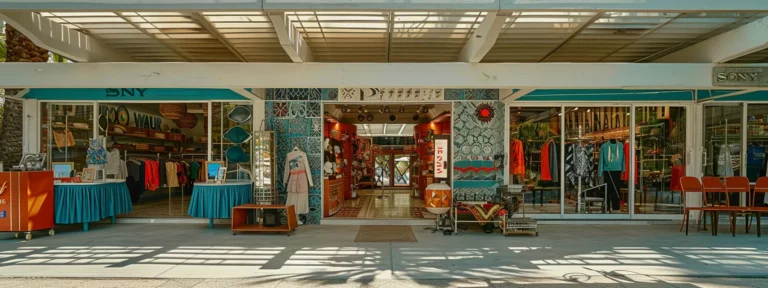
Duty-free shopping is available in major tourist spots, offering souvenirs, local crafts, and duty-free liquor and tobacco. Markets and street vendors sell handmade jewelry, clothing, and art, providing a taste of local creativity.
Cities with colonial architecture, such as Havana and Bridgetown, offer cultural walks combined with nightlife, blending history with modern entertainment.