Safe Fire Damage Recovery Steps
Recovering from a fire is daunting, filled with emotional and practical challenges. Taking the right actions after a fire can protect your family, property, and finances. Whether you’re seeking to safeguard health, document damages, or restore your home from fire damage, knowing what to do next is crucial for an effective and stress-free recovery.
Before stepping onto your property after a fire, prioritize the safety of everyone involved. The recovery journey involves multiple steps, from assessing damage and filing claims to professional restoration and future prevention. This guide provides a complete overview to help you make informed choices while rebuilding your space and sense of security. Begin your journey confidently and restore your home from fire damage with trusted professionals and sound guidance.
Ensure Safety First
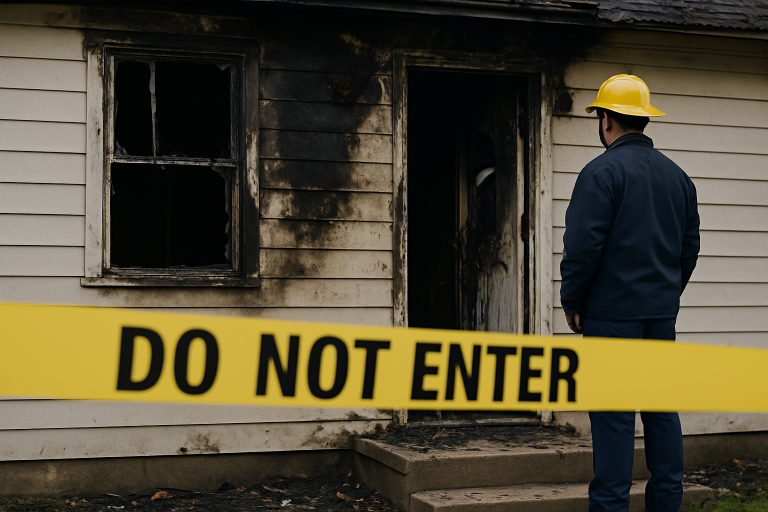
Wait for fire officials to declare it safe before returning to your property. Hazards such as weakened foundations, debris, lingering heat, or toxic fumes could threaten your well-being. Use protective equipment like sturdy boots, gloves, long sleeves, and respirators if you must enter the affected area. Remember, safety always comes before salvaging belongings or starting cleanup, and professional services can help you restore your home from fire damage while ensuring the process is handled safely and effectively.
Document the Damage
Comprehensive documentation is essential to support insurance claims and guide the restoration process. Take wide-angle and close-up photos of each room and each item affected, even if the damage appears minor. Don’t forget to capture details of structural damage, soot, water saturation, and smoke marks. Written notes detailing valuable belongings’ condition, brand, make, and model add extra clarity and strengthen your claim.
Contact Your Insurance Provider
Contact your insurance agent as soon as possible to report the incident. Provide all collected documentation and follow their guidance for next steps. Many insurers assign an adjuster to assess your claim on-site and help estimate repair costs. Stay organized by keeping records of every conversation, including dates, times, and summaries. If possible, request written confirmations for major decisions.
Engage Professional Restoration Services
Professional restoration teams handle more than surface cleaning. They address hidden dangers like deeply absorbed smoke, persistent odors, and water damage from firefighting. Acting quickly to schedule professional assessment and remediation prevents secondary problems like mold growth and structural weakening. Choose licensed, insured, certified restoration professionals for peace of mind and top-quality results.
Prevent Further Damage
- Ventilate safe areas by opening windows and doors only if conditions allow.
- Do not turn on electrical appliances or systems until a qualified electrician has inspected them.
- Avoid wiping, scrubbing, or moving items covered in soot—incorrect cleaning can permanently set stains or spread contaminants.
- If it’s raining or cold outside, cover damaged roof or window areas with tarpaulin to prevent weather-related damage.
Taking these steps while awaiting professional assistance reduces ongoing risks and gives restoration specialists the best chance to restore your property to normal.
Begin the Cleanup and Restoration Process
Professional Fire Damage Restoration Phases
- Assessment: Restoration teams inspect the site, test for hidden damage, and plan immediate and long-term strategies.
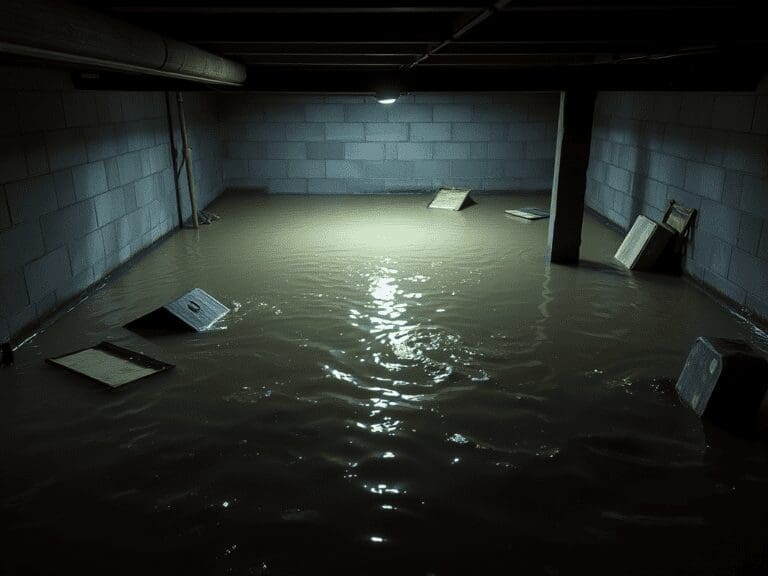
- Water Removal and Drying: Any standing water is extracted, and dehumidifiers are deployed to prevent mold and further weakening of structures.
- Soot and Smoke Removal: Pros use specialized vacuums and safe chemical agents to remove soot from walls, ceilings, floors, and vents.
- Sanitizing and Odor Removal: Air scrubbers, ozone treatments, or thermal foggers neutralize lingering smoke odor and sanitize affected zones.
- Repairs and Reconstruction: Damaged features are rebuilt, ranging from minor wall patching and repainting to full-scale remodeling or structural repair.
Timely, expert restoration shortens downtime and can increase your property’s long-term resilience and health.
Review and Recover Financially
After restoration, review your insurance claim statement for any discrepancies or shortfalls. Document ongoing communications and, if necessary, consult a public adjuster to advocate for missing or undervalued compensation. You may also be eligible for tax relief on fire-related losses—consult the IRS website or your tax professional for details and to maximize potential deductions.
Plan for Future Fire Prevention
Monthly installation and testing of smoke detectors in all rooms and hallways is recommended to mitigate fire risk and enhance safety during recovery. Maintain at least one fire extinguisher on each property level, ensuring all occupants are trained. Develop and regularly practice a household escape plan, designating an outdoor meeting spot. When rebuilding, opt for fire-resistant materials and practices such as tempered windows, metal roofing, and non-combustible siding. Proactive measures can significantly reduce future fire incident risk, protecting property and loved ones. Methodically following recovery steps and seeking professional assistance can lead to restoring property and life with confidence.
Conclusion
Recovering from a fire is never easy, but a structured, step-by-step approach helps restore your home and peace of mind. From ensuring safety first to documenting damage, coordinating with your insurer, and engaging certified restoration professionals, each stage is vital in reducing stress and preventing long-term issues. By combining immediate action with thoughtful prevention strategies—such as installing detectors, maintaining fire extinguishers, and choosing fire-resistant materials—you not only rebuild but also strengthen your home against future risks. With patience, planning, and the proper support, it is possible to return to a safe, comfortable living space and move forward with renewed confidence.