Kitchen Remodeling in 2026: What Every Homeowner Should Know Before Starting a Renovation
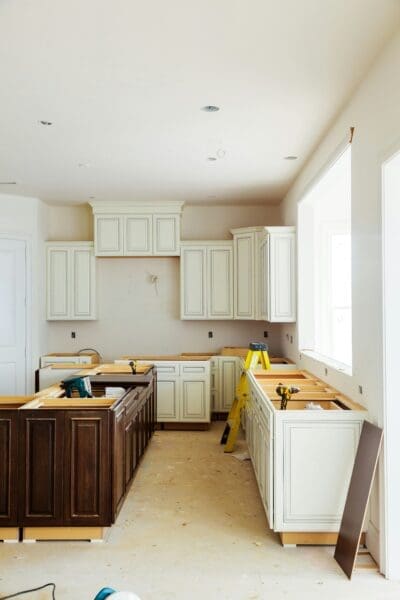
A kitchen renovation is one of the most impactful home improvement projects you can undertake. It is also one of the most complex. Between choosing materials, managing timelines, and navigating unexpected costs, homeowners who go in unprepared often end up over budget, behind schedule, or disappointed with the results.
The Shift Toward Functional Design
For years, kitchen design trends leaned heavily on aesthetics. In 2026, the pendulum has swung back toward function. Homeowners are prioritizing workflow efficiency, durable materials that hold up to daily use, and storage solutions that reduce countertop clutter. Walk-in pantries, dedicated prep zones, and integrated appliance garages are replacing purely decorative elements.
According to the National Kitchen and Bath Association, nearly 70 percent of homeowners now rank storage optimization as their top priority in a kitchen remodel, ahead of updated appliances and countertop upgrades.
Material Choices That Hold Their Value
Countertops, cabinetry, and flooring represent the largest share of your budget. Quartz continues to dominate the countertop market because it is non-porous, requires no sealing, and resists staining far better than natural stone. On the cabinetry side, shaker-style doors remain the most versatile option, working across traditional, transitional, and modern aesthetics. For flooring, luxury vinyl plank has earned its place in high-end kitchens with waterproof performance and wood-grain finishes that are difficult to distinguish from hardwood.
Setting a Realistic Budget
The most common mistake homeowners make is underestimating the true cost of a kitchen remodel. The average mid-range kitchen renovation in the Northeast runs between $35,000 and $75,000 depending on scope. High-end projects with custom cabinetry, premium appliances, and structural changes can exceed $100,000.
A good rule of thumb is to allocate 10 to 15 percent of your budget as a contingency. Older homes frequently reveal surprises behind walls including outdated wiring, water damage, or plumbing that does not meet current code. Having a financial buffer prevents these discoveries from derailing the project.
Choosing the Right Contractor
Your choice of contractor will have more impact on the outcome than any material selection or design decision. A skilled contractor manages the details you do not see, from coordinating subcontractors and pulling permits to keeping the project on schedule and catching problems before they become expensive.
When evaluating contractors, look beyond the estimate. Check their licensing and insurance status. Read their reviews carefully, paying attention to what clients say about communication, cleanliness, and follow-through.
Family-owned firms like Praiano tend to bring a level of accountability that larger operations sometimes lack. When the owner’s name is on the business, there is a personal stake in every project that goes beyond a transaction. That kind of ownership typically translates to better communication, fewer shortcuts, and a finished product that reflects genuine craftsmanship.
Trends Worth Following
Some current trends have staying power. Warm-toned cabinetry in greens, blues, and natural wood finishes is replacing the all-white kitchen that dominated the last decade. Mixed metals add visual depth without feeling chaotic. Under-cabinet lighting has moved from a luxury upgrade to a standard expectation.
Other trends deserve more caution. Bold patterned tile on large surfaces can overwhelm a space and is expensive to replace when tastes change. Fully open floor plans without any visual separation between the kitchen and living areas are being reconsidered by homeowners who prefer some definition between zones.
Making the Investment Count
A well-executed kitchen remodel is one of the few home improvement projects that consistently recovers a significant portion of its cost at resale. The key is balancing personal preferences with broadly appealing design choices, investing in quality where it matters most, and working with a contractor who treats your home like their own.
Take your time during the planning phase. Visit showrooms. Get multiple estimates. The more prepared you are before the first hammer swings, the more likely you are to end up with a kitchen that works beautifully for years to come.