When Should Professionals Remove an Oil Tank in the Basement?
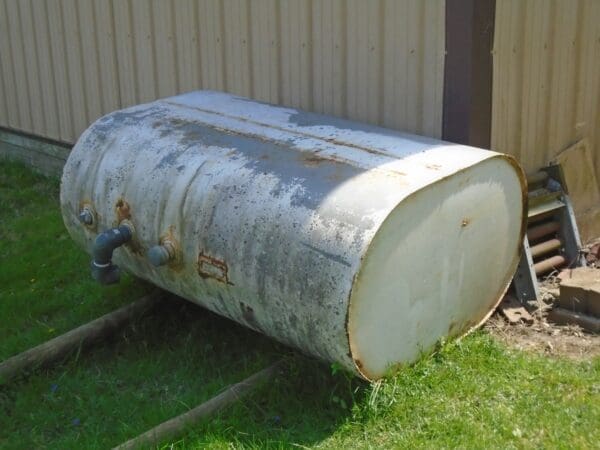
Many older homes still rely on heating oil systems, which typically include a storage tank located in the basement. While these tanks were once standard in residential construction, they can become a serious liability as they age. Corrosion, internal sludge buildup, and unnoticed leaks may eventually lead to structural damage or environmental contamination.
Because basement oil tanks are often tucked away, problems can go unnoticed for years. Understanding when professional removal becomes necessary can help homeowners avoid costly repairs and potential health risks.
Let’s examine the key warning signs that indicate it may be time to take action.
What Is a Basement Oil Tank?
A basement oil tank stores heating oil used to fuel furnaces or boilers. Most indoor tanks are made of steel and typically hold 250-330 gallons. They are usually installed along a wall and elevated slightly on metal legs.
Although durable, these tanks are not permanent fixtures. The average lifespan ranges between 15 and 30 years, depending on maintenance and environmental conditions. Over time, condensation forms inside the tank, causing internal rust that weakens the metal from within.
Because deterioration often starts inside the tank, visible damage may not appear until the structure is already compromised.
Sign #1: The Tank Is Over 20–30 Years Old
Age is one of the most important indicators. Even if the tank appears intact externally, internal corrosion may already be progressing.
As steel tanks age, protective coatings break down. Sediment buildup at the bottom accelerates rusting, increasing the risk of sudden leaks. Therefore, if your tank is approaching the 20-year mark, a professional evaluation is a wise precaution.
Sign #2: Visible Rust, Corrosion, or Oil Stains
Surface rust may seem harmless at first. However, flaking metal, bubbling paint, or damp spots around the tank’s base are serious warning signs.
You may also notice:
- Oil odors in the basement
- Dark stains on the floor
- Soft or uneven areas beneath the tank
In some cases, small leaks can spread into concrete flooring and surrounding soil. Homeowners with an aging oil tank in basement spaces should be especially cautious, as internal corrosion often develops long before major external damage becomes visible. In fact, professionals at EnviroTech recommend removing an oil tank when there are signs of advanced rust, structural instability, recurring moisture buildup, or seepage around the base of the unit. Early removal not only reduces the risk of environmental contamination but also helps prevent escalating remediation costs.
Sign #3: You’re Converting to Another Heating System
Many homeowners are switching to natural gas, propane, or electric heat pumps. Once the oil heating system is disconnected, the tank often remains unused in the basement.
However, leaving an abandoned tank in place still carries risks. Residual oil and sludge inside the tank can trap moisture, accelerating internal corrosion. Over time, even an unused tank can weaken and begin to leak without obvious warning signs.
In addition, abandoned tanks may raise concerns during home inspections or insurance reviews. Removing the tank after a heating system conversion helps eliminate future liability and prevents hidden environmental issues.
Sign #4: Failed Inspection or Insurance Issues
Oil tanks often become a concern during home sales. Inspectors frequently flag aging tanks as potential liabilities, which can delay transactions or lower property value.
In addition, some insurance companies may refuse coverage or increase premiums for properties with older oil tanks. In these situations, removal is often necessary to meet underwriting requirements.
Taking proactive action before listing a home can prevent last-minute complications.
Sign #5: Water Accumulation Inside the Tank
Temperature fluctuations cause condensation to form inside oil tanks. This water collects at the bottom, accelerating rust formation.
Excessive water buildup can:
- Increase sludge formation
- Weaken the tank walls
- Contaminated heating oil
- Cause burner inefficiency
Routine inspections may detect water presence early. However, if corrosion has advanced significantly, removal may be the safest solution.
Why Professional Removal Is Necessary
Removing an oil tank involves more than simply disconnecting it. Several risks make professional handling essential.
Environmental Compliance
Heating oil is classified as a contaminant. If spilled, it can pollute soil and groundwater. Licensed professionals follow strict procedures to prevent environmental damage.
Proper Draining and Cleaning
Before removal, all remaining oil must be pumped out safely. The tank must then be cleaned and degassed to eliminate flammable vapors.
Documentation
Professional removal often includes paperwork verifying that the tank was safely removed and disposed of. This documentation can be crucial for real estate transactions and insurance coverage.
Conclusion
Basement oil tanks were once standard in residential heating systems, but they are not designed to last indefinitely. Age, corrosion, heating system upgrades, and inspection concerns are all strong indicators that professional removal may be necessary. Taking action at the right time protects your property, prevents environmental damage, and avoids costly cleanup expenses. If your oil tank shows signs of deterioration or is no longer in use, a professional assessment can help determine the safest and most responsible next step.