Maximizing Home Comfort: A Seasonal Guide to HVAC Efficiency
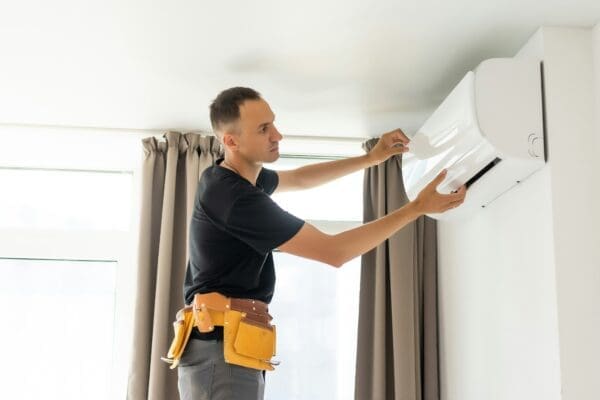
Maintaining a comfortable home environment is a top priority for any homeowner, but it often requires more than just adjusting a thermostat. Your heating and cooling systems are complex machines that require consistent attention to perform at their peak, especially in regions with unique microclimates. Whether you are dealing with coastal humidity or the dry heat of a southern canyon, understanding the mechanics of your system is the first step toward long-term efficiency. If you find your system struggling to keep up with seasonal shifts, consulting with a professional HVAC contractor in Beverly Hills, CA can provide the technical insights needed to optimize your home’s airflow and energy consumption. Taking a proactive stance on maintenance not only ensures year-round comfort but also protects one of your home’s most significant investments.
The Impact of Air Filtration on System Longevity
The simplest yet most effective maintenance task a homeowner can perform is regularly changing the air filters. Filters are designed to trap dust, pollen, and pet dander, preventing these particles from accumulating on sensitive internal components like the evaporator coil. When a filter becomes clogged, it restricts airflow, forcing the blower motor to work harder and consume more electricity.
For most households, checking filters every 30 to 90 days is a good rule of thumb. If you have pets or suffer from seasonal allergies, you may need to swap them out more frequently. Using a high-quality pleated filter can improve your indoor air quality significantly, but be sure to check your system’s specifications to ensure the filter’s MERV rating isn’t so high that it creates excessive backpressure.
Fine-Tuning Your Thermostat for Maximum Savings
Modern smart thermostats have revolutionized how we manage home climates. These devices allow you to create detailed schedules that align with your lifestyle, ensuring you aren’t paying to cool or heat an empty house. However, technology is only as good as its implementation. To maximize efficiency, avoid drastic temperature swings; setting your thermostat to a reasonable “away” temperature prevents the system from having to run for hours at maximum capacity to recover when you return.
If you are upgrading an older system, working with an experienced HVAC contractor in Beverly Hills, CA can help you determine the best placement for these sensors. Placing a thermostat in direct sunlight or near a drafty window can lead to “ghost readings,” causing your system to cycle on and off unnecessarily. Proper calibration ensures that the temperature you see on the screen is the temperature you actually feel in the room.
Preparing Your System for Seasonal Shifts
Each season brings a different set of demands for your HVAC unit. Before the summer heat arrives, it is wise to inspect the outdoor condenser unit. Remove any leaves, twigs, or overgrown vegetation that might be blocking the fins. Good airflow around the outdoor unit is essential for heat dissipation. Similarly, before the winter chill sets in, ensure that your furnace or heat pump is functioning correctly to avoid a breakdown during the first cold snap.
Checking for Ductwork Leaks
Even the most efficient air conditioner will struggle if the cool air is leaking into your attic or crawlspace. Over time, duct connections can loosen or seals can fail. Inspecting visible ductwork for gaps or using a thermal camera to identify cold spots behind walls can reveal significant energy waste. Sealing these leaks with foil tape or mastic sealant can improve your system’s efficiency by as much as 20%.
Enhancing Indoor Air Quality Beyond the Filter
While the HVAC filter does the heavy lifting, other factors contribute to the air you breathe. Maintaining proper humidity levels is crucial for both comfort and health. High humidity can encourage mold growth, while overly dry air can irritate the respiratory system and damage wooden furniture. Integrating a whole-home dehumidifier or humidifier into your existing HVAC setup can provide a balanced environment year-round. Additionally, consider the benefits of UV air purifiers, which can neutralize airborne pathogens before they circulate through your living spaces.
The Role of Professional Preventive Maintenance
While DIY tasks like cleaning vents and changing filters are essential, they do not replace the need for a professional inspection. A certified technician can perform tasks that are beyond the reach of most homeowners, such as checking refrigerant levels, testing electrical capacitors, and lubricating moving parts.
Routine professional maintenance is often a requirement to keep manufacturer warranties valid. These check-ups allow experts to identify small issues—like a fraying belt or a failing sensor—before they escalate into emergency repairs that happen at the most inconvenient times. Investing in a bi-annual service plan is generally much cheaper than a full system replacement.
Conclusion
Achieving a perfectly tempered home is a balance of smart habits, regular maintenance, and professional expertise. By staying diligent with filter changes and utilizing modern thermostat technology, you can significantly lower your monthly utility bills while extending the life of your equipment. A well-maintained HVAC system does more than just control the temperature; it creates a healthier, more sustainable environment for you and your family to enjoy.