How Weather Affects Your Air Conditioner’s Performance
Your air conditioner’s ability to keep your home cool and comfortable is directly influenced by the ever-changing weather outside. Many homeowners only consider their cooling systems when temperatures soar, but extreme heat, higher humidity, storms, and seasonal shifts can all impact the efficiency and longevity of your AC. Additionally, when you encounter sudden system failures in the peak of summer, understanding these weather effects can help you quickly recognize when emergency AC repairs might be necessary. Understanding the impact of weather patterns on air conditioner performance is essential for minimizing wear, maintaining efficiency, and preventing breakdowns. Knowledge of these influences allows for smarter maintenance decisions, contributing to improved energy savings, reduced repair costs, and enhanced indoor air quality, which is increasingly important in the context of a changing climate.
Temperature Extremes
Severe heat waves are one of the most common stressors for air conditioning systems. When outside temperatures spike, your air conditioner must work overtime to cool your home, pushing compressors, motors, and other components to their limits. This increased demand can result in substantial hikes in your energy bills and place undue strain on critical parts, reducing the total lifespan of your AC.
Conversely, those in colder regions using heat pumps may find that temperatures below freezing challenge their system’s ability to extract warmth from the air. Cold weather can result in reduced efficiency and even frozen coils, particularly if the system is not designed explicitly for low-temperature performance. Regular maintenance, including checking refrigerant levels and system insulation, can help mitigate these risks and maximize performance during both heat waves and cold snaps.
Humidity Levels
Humidity is a significant, often overlooked factor in air conditioner performance. High humidity not only makes your home feel hotter than it actually is, but it also forces your AC system to work harder by removing extra moisture from the air. This leads to longer operating times, more energy usage, and can prematurely age key components.
Additionally, excessive moisture in the air can lead to condensation within your cooling system. If drainage becomes blocked, this can create conditions favorable to indoor mold growth and corrosion of metal components. Ensuring your condensate drain and lines remain clear and your system is properly ventilated are crucial steps. The American Society of Heating, Refrigerating, and Air-Conditioning Engineers (ASHRAE) offers valuable additional insights on how humidity management is integral for AC efficiency and indoor air quality.
Severe Weather Events
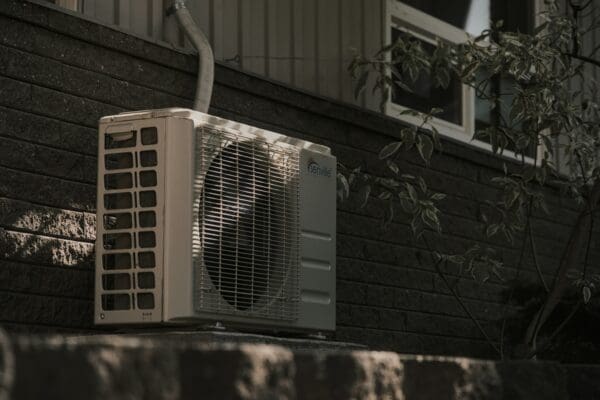
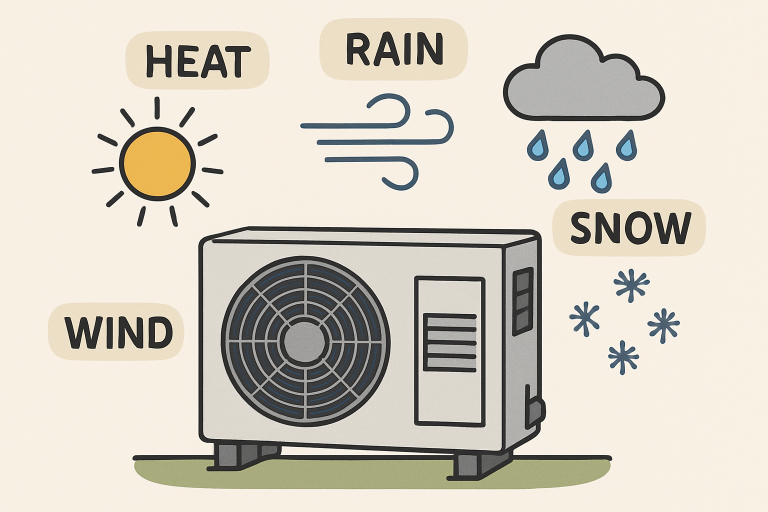
Powerful storms, high winds, hail, and even heavy rain can pose significant risks to your outdoor AC components. Flying debris can clog condenser coils, bend or break fan blades, and interrupt airflow. Water infiltration and flooding can further damage wiring or internal parts, while lightning strikes and surges during electrical storms threaten delicate circuit boards and controls.
After a significant weather event, inspect your unit for physical damage and remove any debris. Never attempt to restart a unit that has been submerged or shows visible signs of electrical damage—call a professional immediately. Preventive measures, such as trimming nearby plants or shrubs, installing protective covers, and ensuring your unit is securely mounted, can significantly reduce your exposure to weather-related AC breakdowns.
Seasonal Transitions
Spring and fall introduce new challenges as you transition between heating and cooling your home. During these periods, your system may switch back and forth more often, triggering what’s known as short cycling. This not only uses more electricity but also increases wear on relays, compressors, and other electrical components, ultimately shortening system life. Proactive tune-ups and regular filter changes during these seasons help ensure your system operates smoothly. It’s wise to schedule a professional inspection before the start of both major hot and cold seasons, allowing technicians to identify emerging issues before heavy use begins.
Proactive Maintenance Tips
Regular Inspections
Ensure that a certified HVAC technician inspects your system at least once a year to ensure optimal performance. Scheduled check-ups catch minor problems before they escalate, help optimize efficiency settings, and maintain peak performance.
Clean or Replace Filters
Over time, dust and debris will clog your AC’s air filters, restricting airflow and reducing cooling efficiency. Replace filters monthly during high-use seasons and every three months during lighter use.
Clear Debris Around Outdoor Units
Leaves, dirt, and plant material can accumulate around your outdoor condenser unit, blocking airflow and reducing system efficiency. Clear a two-foot perimeter around your AC and check after high winds or storms.
Maintain Proper Drainage
Inspect your condensate drain regularly to prevent clogs that can lead to standing water, which may trigger mold growth or water damage within your HVAC system.
Program Your Thermostat
Installing and using a programmable thermostat minimizes unnecessary operation, reduces energy use during temperature extremes, and extends the life of your AC components.
Staying vigilant about weather-related risks, combined with regular upkeep and professional inspections, ensures your air conditioner can handle whatever conditions arise. Not only does this approach safeguard your initial investment, but it also guarantees greater comfort and reliability for your home throughout the changing seasons.