How to Make Your Office Both Secure and Eco-Conscious

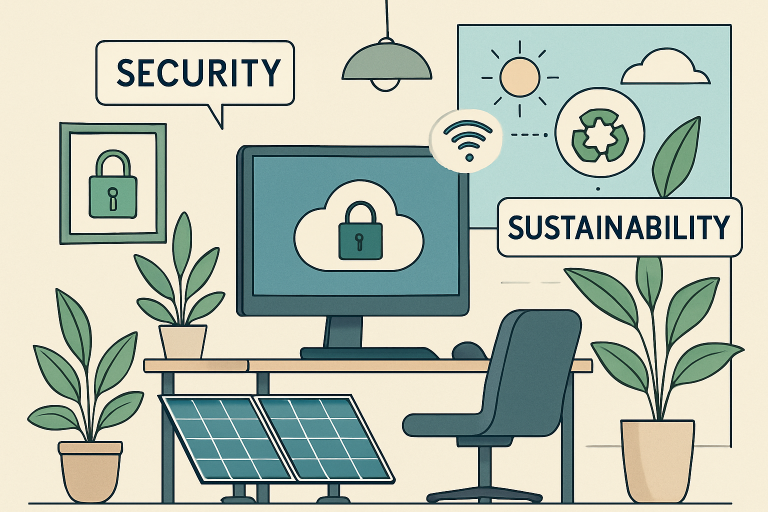
In today’s hybrid work culture, businesses must build secure and eco-conscious offices. Modern security measures like surveillance cameras and access control systems ensure workplace safety, but can also consume a significant amount of energy. Choosing energy-efficient models and integrating renewable energy sources can help reduce your office’s carbon footprint. Automating these systems to operate only when needed is an effective way to achieve security and efficiency.
Building a responsible workspace extends beyond simply locking doors—it means adopting practices that protect confidential information and the environment. Confidential paperwork, in particular, can pose both a security and a sustainability risk if not disposed of properly. That’s why partnering with services such as paper shredding can help your office handle sensitive documents securely and sustainably. By integrating these solutions, companies demonstrate a commitment to corporate responsibility and environmental stewardship. Taking proactive steps today enhances data protection and contributes to a greener, more resilient future workplace.
Adopt a Paperless Office Policy
Transitioning to a paperless environment reduces waste, minimizes the chance of sensitive information being lost or stolen, and makes document management more efficient. Encrypted digital files ensure information can be stored and shared securely and allow for safe backups and easy retrieval. Cloud-based file management reduces dependency on printed materials and increases information security.
Responsible end-of-life disposal for old electronics is critical for businesses with extensive digital archives. Services such as hard drive destruction ensure data is permanently erased, further protecting your office against information breaches and contributing to sustainable e-waste management.
Utilize Sustainable Office Supplies
Outfitting your office with sustainable supplies helps shrink your environmental footprint while creating a healthier space for employees. Products made with recycled materials, such as paper or refillable pens, cut down on landfill waste. Additionally, switching to non-toxic and biodegradable cleaning products reduces harmful chemical exposure in the workplace. Many companies also seek local suppliers to minimize transportation emissions.
Even seemingly small changes, like using eco-friendly binders or energy-efficient lighting, compound over time to make a measurable difference in your carbon footprint and operational costs.
Enhance Physical Security with Eco-Friendly Materials
When it comes time to upgrade physical security—whether that means doors, locksets, or window reinforcements—prioritize eco-friendly materials. Doors fabricated from recycled steel and window frames crafted from rapidly renewable bamboo deliver both durability and environmental responsibility. When sourced responsibly, these materials support global sustainability goals by reducing virgin resource usage and minimizing associated emissions.
Sustainable Sourcing Best Practices
Choose suppliers certified by recognized environmental standards and seek transparency on supply chain sourcing. This will protect your business against supply chain-related risks and strengthen your corporate social responsibility profile.
Promote Sustainable Commuting
Employee commutes represent a significant portion of workplace emissions. Supporting greener alternatives—biking, walking, carpooling, or public transportation—has environmental and health benefits. Installing secure bike racks and offering incentives for carpooling can nudge employees toward more sustainable options.
Companies with flexible work-from-home policies also see reductions in overall commuting emissions, helping shrink individual and corporate carbon footprints.
Implement Green IT Practices
The IT infrastructure powering your office is another cornerstone of both security and sustainability. Opt for Energy Star-rated computers, set devices to power-saving modes, and consolidate servers to reduce energy consumption. Regular software updates reduce inefficiencies and cybersecurity vulnerabilities, keeping your digital assets safer while minimizing electricity usage.
Responsible E-Waste Management
When it’s time to retire outdated equipment, partner with certified e-waste recyclers to ensure ethical disposal. Proper recycling practices keep hazardous materials out of landfills and support the recovery of valuable natural resources, aligning with guidance from the EPA.
Conduct Regular Security and Sustainability Audits
Routine audits form the foundation for continual improvement. Regularly evaluating your office’s energy consumption, waste generation, and security procedures uncovers opportunities for cost-saving, impact reduction, and better-defined company policies. Involving employees in these assessments fosters a culture of transparency and shared purpose.
Comprehensive audits provide actionable data, making benchmarking progress easier and setting tangible goals for future sustainability initiatives.
Final Thoughts
Building an office that is both secure and environmentally responsible doesn’t require compromising on one value for another. By leveraging efficient security systems, going paperless, investing in eco-friendly supplies and materials, supporting sustainable commuting, and embracing green IT, organizations can fulfill their duties to both people and planet. With continued commitment, it’s possible to create a workplace that’s safe, sustainable, and designed for the future.