How to Choose the Right Wood Miniatures Kit for Your Skill Level
There’s a version of starting a new craft hobby that goes like this: you buy the most impressive kit you can find, get three hours in, feel completely out of your depth, and the project ends up in a drawer. Then there’s the version where you choose a kit that matches your current abilities, finish it successfully, and immediately start looking for your next project.
The difference usually comes down to choosing a kit that fits your current skill level rather than the one you hope to reach.
Interest in creative hobbies continues to remain strong. According to Statista Consumer Insights, around 26% of U.S. consumers report DIY and arts and crafts as one of their hobbies, reflecting sustained demand for hands-on projects across a wide range of experience levels.
Understanding the Range
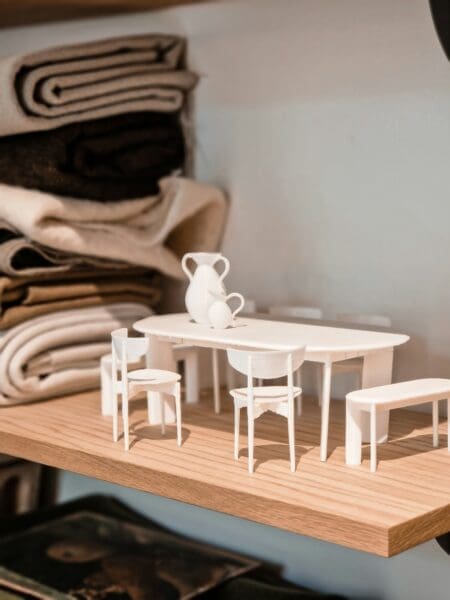
Wooden miniature kits come in many different styles and difficulty levels. Some are simple 3D wooden puzzles that can be completed in an afternoon, while others are detailed miniature houses and book nooks featuring hundreds of tiny components, LED lighting, furniture, and decorative elements that require several sessions to complete.
More complicated doesn’t automatically mean better. The best kit is the one that matches your experience and keeps the building process enjoyable.
Choosing Your First Wooden Miniature Kit
If you’re completely new to wooden miniatures, it’s best to begin with a project that’s designed for beginners. Completing your first build successfully helps develop confidence and makes moving to more advanced projects much more enjoyable.
A beginner-friendly kit is ideal if you:
- Have never built a wooden miniature kit before.
- Prefer projects that can be completed within a few hours.
- Find detailed instructions easier to follow when the build is straightforward.
- Are buying a kit for a child or introducing someone else to the hobby.
- Want to see whether you enjoy the hobby before investing significant time.
Simple 3D wooden puzzles and entry-level book nooks are excellent starting points. They typically have fewer parts, clear instructions, and require little or no painting while still producing an attractive finished model.
When It’s Time to Try Something More Challenging
After completing one or two beginner projects, many hobbyists naturally want something with greater detail and creativity.
An intermediate kit is a good next step if you:
- Have successfully completed at least one miniature kit.
- Enjoy working with small pieces and fine details.
- Don’t mind spreading a project across several evenings.
- Want to experiment with painting, decorating, or basic lighting features.
- Prefer a display piece with greater visual depth and realism.
Intermediate kits often include miniature furniture, decorative accessories, layered scenes, and simple LED lighting. While they require more patience, they also provide a more immersive and rewarding building experience.
Is an Advanced Kit Right for You?
Advanced miniature houses and detailed book nooks are designed for builders who already have experience and enjoy working on highly detailed projects.
You’re likely ready for an advanced kit if you:
- Have completed several miniature builds successfully.
- Feel comfortable handling very small parts with precision.
- Can dedicate ten or more hours across multiple sessions.
- Enjoy customizing, painting, and adding personal touches.
- Want to create a display-quality model that becomes a centerpiece in your home or office.
These kits demand patience, but the finished results are often remarkably detailed and visually impressive.
What to Look for in the Kit Itself
Regardless of the difficulty level, build quality plays a major role in how enjoyable the building experience will be. A well-made kit should have precision-cut wooden pieces that fit together smoothly without requiring excessive force or sanding. Clear, step-by-step visual instructions are equally important, especially for more detailed builds, as they make the assembly process much easier to follow.
It’s also worth checking what’s included in the box. High-quality kits typically come with reliable adhesives, paints, and accessories that are sufficient to complete the project without requiring additional purchases. Finally, choose a kit from a reputable manufacturer that provides a complete component list and ensures every piece is included, helping you avoid frustrating interruptions halfway through the build.
For book nooks, miniature house kits, and 3D wooden puzzles across every experience level, wood-miniatures offers a carefully curated range with clearly labeled skill categories, making it easier to choose a project that matches your experience level from the very beginning.
The Book Nook Question
Book nooks deserve special attention because they’ve become one of the most popular types of wooden miniature kits, yet their difficulty varies significantly.
A simple book nook featuring a pre-designed scene and a modest number of pieces makes an excellent first project. More elaborate versions with layered interiors, tiny furniture, figures, and lighting systems are better suited to intermediate or advanced builders.
If book nooks are what interest you most, begin with a simpler design before progressing to more intricate models.
A Word on Time Expectations
One surprise for many first-time builders is just how engaging these projects become. What starts as a plan for a couple of hours can easily turn into an entire evening of enjoyable building.
Give yourself more time than the estimated completion time suggests, especially for your first project. The satisfaction comes from carefully assembling each piece, not simply reaching the finish line.
Conclusion
The best wooden miniature kit isn’t necessarily the biggest or the most detailed—it’s the one that matches your current abilities.
Starting with an appropriate skill level allows you to build confidence, enjoy the process, and steadily develop your skills. As your experience grows, more challenging kits become increasingly rewarding, turning a simple first project into a hobby you’ll continue to enjoy for years.