Essential HVAC Maintenance Tips for Energy Efficiency and Comfort
Ensuring the comfort and well-being of your home starts with an efficient HVAC system. Regular upkeep is not just about comfort but also about extending the life of your equipment and protecting your wallet from high utility bills and costly repairs. Ongoing attention to your system provides peace of mind and reliability, season after season. Whether you are a homeowner or a property manager, focusing on key aspects like air sealing and seasonal inspections is a smart investment in your property’s value and comfort. To learn more about improving efficiency through air sealing, visit HVAC air sealing Vancouver.
Maintenance not only extends your unit’s lifespan but also supports a healthier indoor environment by reducing allergens and airborne pollutants. Neglecting basic HVAC maintenance can lead to decreased efficiency, unexpected system failures, and potentially hazardous issues such as carbon monoxide leaks. The preventive approach, recommended by organizations such as the U.S. Department of Energy, is more affordable and less disruptive than handling emergency repairs. Consistent care also ensures that your HVAC system remains compliant with manufacturer warranties, which often require evidence of routine upkeep. Skipping out on annual check-ups can void coverage, exposing you to higher repair costs in the future. In addition, scheduled maintenance is an opportunity for trained professionals to optimize system performance and spot issues before they escalate. For a more comprehensive approach to home systems, consider pairing your HVAC maintenance routine with regular Home plumbing maintenance. Keeping both your mechanical and plumbing systems in top shape ensures uninterrupted comfort and efficiency throughout your home.
Simple Steps to Maintain Your HVAC System
Even basic at-home maintenance can go a long way toward keeping your HVAC operating at peak performance. Key actions include:
- Replace Air Filters Regularly: Over time, air filters become clogged with dust and debris, restricting airflow and diminishing indoor air quality. Experts recommend replacing filters every one to three months to maintain optimal performance and minimize allergen buildup. This simple step is among the most impactful ways to maintain efficiency.
- Keep Vents and Registers Clean: Furniture, drapes, and household clutter can obstruct vents and registers, making it hard for air to circulate properly. Ensure they remain unobstructed and free of dust. Occasional vacuuming or wiping with a damp cloth will help achieve consistent airflow.
- Inspect Outdoor Units: Leaves, dirt, and yard debris can accumulate around outdoor units, leading to blockages that strain your HVAC. Regularly check for obstructions and gently clear the area to maintain uninterrupted system function.
In addition to these core steps, consider establishing a regular cleaning schedule for the area surrounding all HVAC components. Keeping the area clear of obstructions, such as tools, boxes, or outdoor equipment, can minimize potential fire risks and ensure the system functions optimally. Keeping these spaces clean also makes inspection and repair work more accessible for both homeowners and technicians. Another DIY measure is to regularly inspect the insulation on refrigerant lines running to your air conditioning unit. Damaged or missing insulation can lead to energy loss and higher cooling costs, so replacing worn insulation is an effective, affordable way to boost efficiency.
Scheduling Professional Inspections
While do-it-yourself maintenance is highly beneficial, professional inspections remain a vital piece of the puzzle. Certified technicians are equipped to perform deeper investigations, checking refrigerant levels, calibrating thermostats, and examining electrical components. Early detection can make a difference between a minor fix and a major repair. According to Consumer Reports, professional check-ups are essential for identifying potential safety hazards and ensuring all components are working as intended. Building an annual relationship with a reputable HVAC service provider offers an added advantage by having a team familiar with your system’s unique needs. Additionally, professional service appointments offer homeowners valuable insight into preventive care. During scheduled inspections, technicians can teach you what warning signs to look for between visits, such as unusual noises, strange odors, or fluctuating temperatures. Some companies also offer maintenance plans that include reminders and discounts on annual or biannual check-ups, making it easier to keep your system running smoothly.
Seasonal Maintenance Tips
Preparing your HVAC for each season’s demands keeps it running efficiently year-round.
- Spring and Summer: Before the hot weather arrives, have your system inspected and serviced. Cleaning coils, checking refrigerant levels, and testing controls ensure your air conditioner performs well during heatwaves.
- Fall and Winter: As the cold sets in, inspect your furnace or heat pump. Ensure components such as heat exchangers and ignition systems operate safely and efficiently to avoid sudden failures during winter.
It is also a good practice to run your system briefly at the start of each new season, even before full demand sets in. This helps identify potential issues early, when service appointments are often easier to schedule, and it gives you time to address repairs or part replacements as needed, avoiding breakdowns during extreme weather.
Depending on your home’s layout and overall ductwork, you may also want to check for leaks or gaps in ducts ahead of seasonal transitions. Sealing exposed areas helps ensure conditioned air stays where it’s needed most, especially in larger homes or those with older ductwork.
Energy Efficiency and Cost Savings
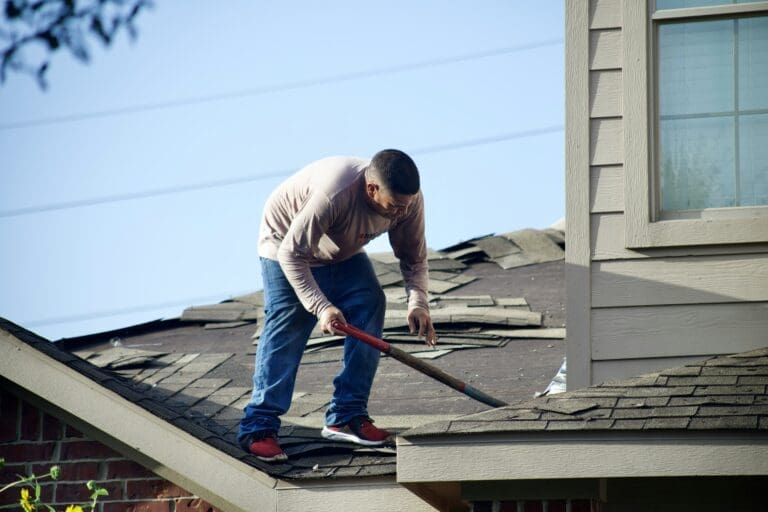
Thoughtful management of your HVAC system pays off with substantial reductions in energy use and monthly bills. The Department of Energy notes that diligent maintenance can increase system efficiency by up to 15 percent. Pair this with energy-efficient thermostat settings and proper insulation for even greater savings. Some energy providers also offer rebates for installing qualifying high-efficiency equipment, further offsetting costs. Even adjusting your thermostat just a few degrees can reduce energy consumption. Consider integrating smart thermostats that learn your routine and automatically optimize system usage, boosting both comfort and savings. Besides thermostat upgrades, consider investing in attic and basement insulation to reduce the demand on your HVAC system. Window and door weather stripping can also minimize air leaks, contributing to a more stable indoor temperature and less strain on equipment. The combination of these simple home improvements will make your HVAC investment go further, both in performance and in savings. Some utility providers and local governments offer seasonal efficiency checklists or home energy audits as complimentary Boise roof maintenance services. Taking advantage of these resources provides a customized action plan for additional efficiency improvements tailored to your area’s climate and energy market.
Recognizing When to Upgrade Your System
Every HVAC system has an expected lifespan. If your unit is over 10 to 15 years old, requires frequent repairs, or you notice a steady rise in energy bills despite ongoing maintenance, it may be time to consider an upgrade. Today’s systems offer significant improvements in both efficiency and features, making replacement a wise move for older units. Investing in a modern HVAC system enhances daily comfort and lowers your carbon footprint. Upgrading may also qualify you for tax credits or local utility incentives, further improving the affordability of a new installation. When selecting a new HVAC system, look for ENERGY STAR® rated models and research the system’s SEER (Seasonal Energy Efficiency Ratio) or AFUE (Annual Fuel Utilization Efficiency) rating to compare efficiency between models. Higher ratings generally mean more substantial savings over your system’s life, making the upfront investment worthwhile in the long run.
Staying Informed on HVAC Innovations
The HVAC industry evolves rapidly, offering new products and systems that boost control, efficiency, and comfort. Innovations such as smart thermostats, variable-speed motors, and zoning capabilities are becoming mainstream. Homeowners who stay informed about these advances can make timely decisions that support both cost savings and an improved living environment. Keeping knowledge current makes it easy to spot opportunities for improvement and smarter, more sustainable home management. Remember, ongoing research ensures optimal results for homeowners and businesses alike. Innovation is not limited to hardware. Many manufacturers now offer advanced system monitoring via smartphone apps, providing users with real-time updates, maintenance reminders, and insights into system performance. Adopting these technologies empowers homeowners to make data-driven decisions and address small issues before they become significant problems.
Conclusion
Regular HVAC maintenance is fundamental to keeping a home comfortable and efficient. Simple tasks carried out routinely, periodic professional assessments, and an openness to industry innovations all contribute to the health and cost-effectiveness of your living space. Stay proactive and informed to ensure year-round home comfort with fewer breakdowns and lower expenses. Investing in preventive maintenance also helps extend the lifespan of your heating and cooling system, reducing the likelihood of costly emergency repairs and unexpected replacements. Clean, well-maintained equipment operates more efficiently, improving indoor air quality while keeping utility bills under control. In summary, making HVAC maintenance a priority means you’ll enjoy greater air quality, energy savings, and peace of mind, no matter the season. Use the above steps as a reliable foundation for lasting comfort, efficiency, and dependable system performance for years to come.